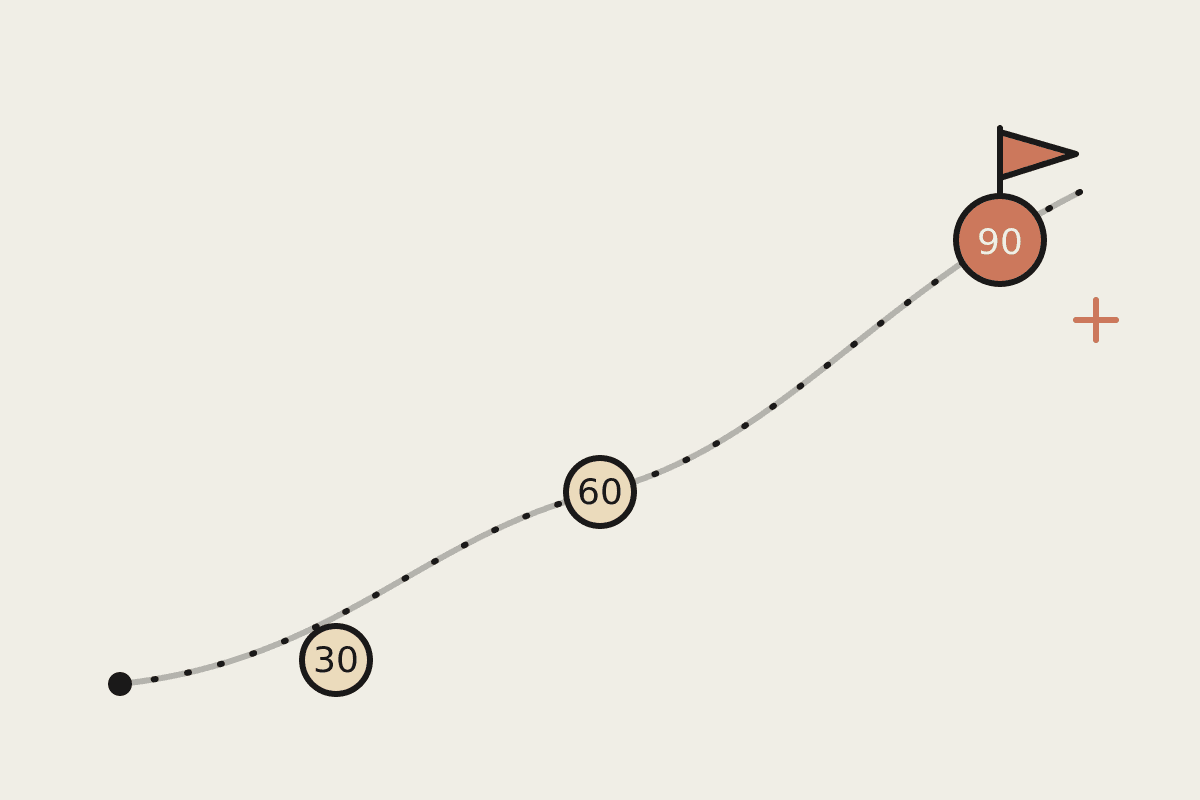
Most Australian small businesses do not fail at AI because the technology is weak. They stall because there is no plan. A team watches a demo, feels the pull of the hype, then goes quiet for six months because nobody decided what to automate first, who owns it, or how success gets measured. A 90-day roadmap fixes that. It turns a vague ambition into three concrete monthly milestones you can actually hit.
This is the roadmap we use with clients across Sydney and the rest of Australia. It is built around Claude as the working engine, with a bias toward one real process shipped rather than ten pilots that never leave the sandbox. You do not need a data science team or a five-figure software budget to start. You need ninety days and the discipline to pick one thing.
Why 90 days is the right window
Thirty days is too short to show a real result, and a year is long enough for momentum to die. Ninety days gives you one full cycle: choose a process, build it, run it against live work, and decide whether to keep going. It also fits how a small business actually operates. A quarter is a unit most owners already plan around, and it sits inside a single BAS period, so you can tie the work to a reporting rhythm you already have.
Days 1 to 30: Map the work and pick one process
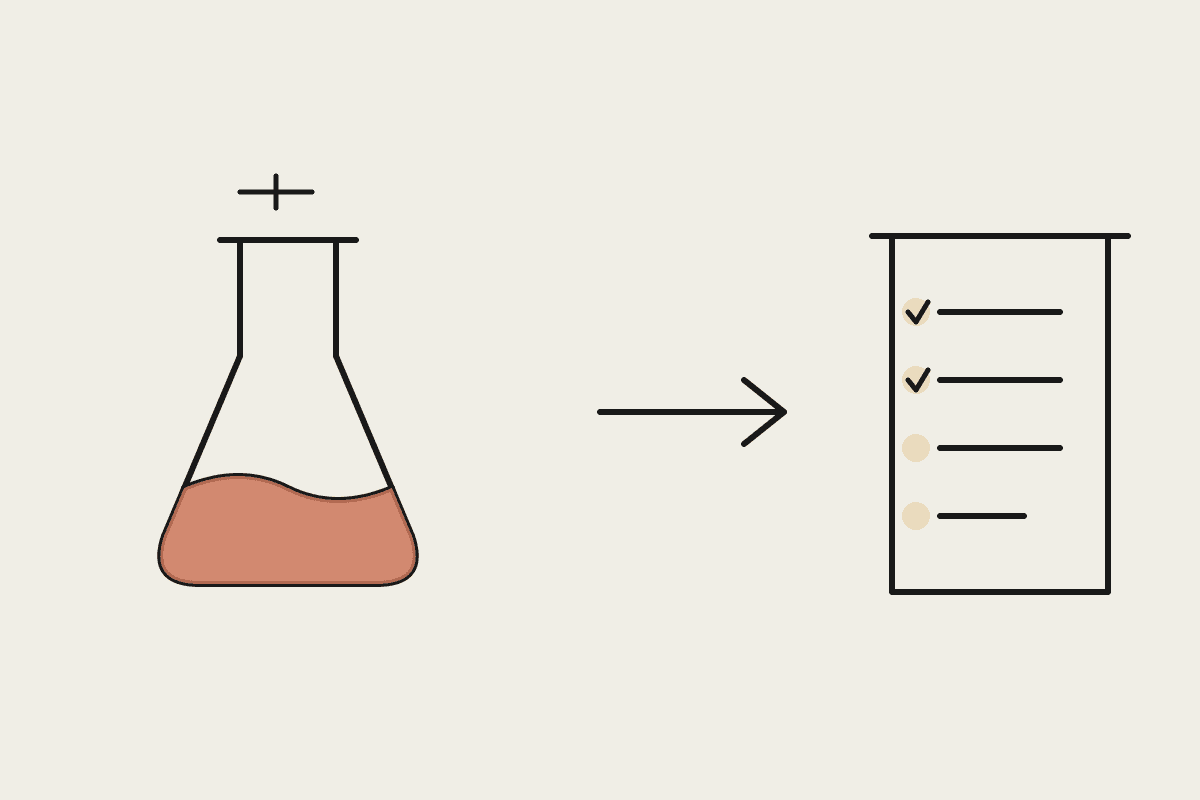
The first month is about honesty, not building. Sit down and list the repetitive, text-heavy work that eats hours every week. You are looking for tasks that are frequent, rule-based, and low-risk if the first version is imperfect.
Answering common customer and supplier emails that get near-identical replies
Summarising long documents, contracts, or meeting notes into a short brief
Drafting first-pass quotes, proposals, or job ads from a template
Pulling structured data out of invoices, forms, and PDFs into a spreadsheet
Triaging an inbox or intake form so the right person sees the right request
Score each candidate on hours saved per week and how much a mistake would cost. Pick the one with high hours and low blast radius. That single choice is the whole first month, so resist the urge to automate three things at once. A tightly scoped first project that saves five hours a week is worth far more than a sprawling one that never ships.
Days 31 to 60: Build and pilot with Claude
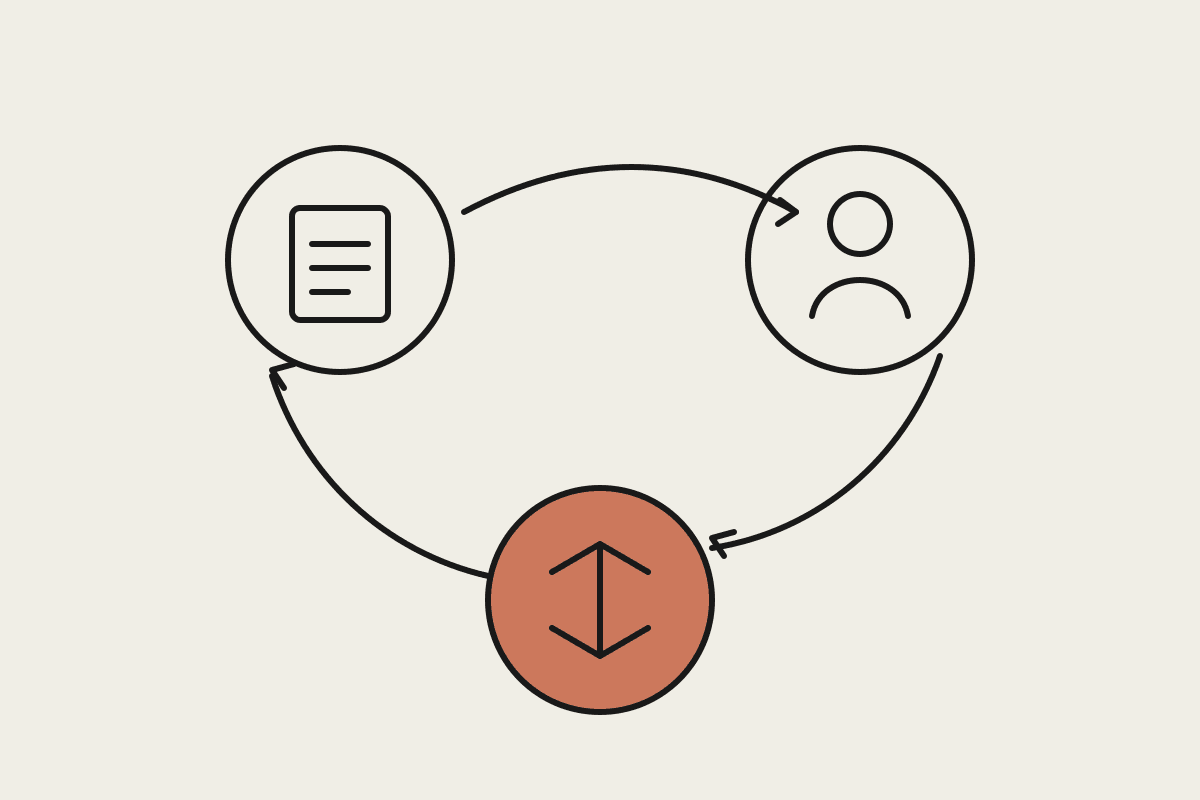
Now you build. For most first projects this means giving Claude clear instructions, a few worked examples of a good output, and access to the documents or context it needs. Keep a person in the loop from day one: Claude drafts, a human checks and sends. You are aiming for a working version running against real work by the end of week eight, not a finished product.
Run it in parallel with the old manual process for a couple of weeks so you can compare. Track two numbers only: how long the task now takes, and how often the output needed a meaningful edit. If edits are rare and time is down, you have a keeper. If Claude keeps missing the same thing, that is usually a sign your instructions or examples need sharpening, not that the task cannot be automated.
Days 61 to 90: Measure, govern, and expand
The final month turns a pilot into something you can trust and repeat. Write down how the process works, who owns it, and what happens when it produces a wrong answer. This is also where Australian obligations come in. If the work touches personal information, check that your use of it lines up with the Privacy Act and your own privacy policy, and keep a record of what data the system sees. In regulated sectors, look at whether your industry body or the relevant ASIC guidance has anything to say about automated decisions before you scale.
Once the first process is stable and governed, the second is far easier because you already have the pattern. By day 90 you should have:
One process running live with Claude, checked by a named owner
Two numbers you trust: time per task and edit rate
A short written record of how it works and what to do when it is wrong
The next two candidates chosen from your Day 1 list
What a first project actually costs
Budget honestly and the numbers are modest. A focused first automation, scoped and built with outside help, typically lands between $3,500 and $8,000 depending on complexity. Claude usage for a small business running one busy process usually sits between $30 and $150 a month. Against that, a process that saves a staff member five hours a week is worth roughly $15,000 a year in recovered time at a $60 hourly cost. That maths is the reason we push for one shipped process over endless experiments. The return shows up in the first quarter, not the third year.
Where teams get stuck
The two most common failure modes are both about scope, not technology. The first is trying to automate a whole department in one go, which guarantees nothing ships. The second is the opposite: endless proofs of concept that never touch real work because no one wants to be accountable for the output. The 90-day frame is designed to stop both. One process, one owner, live by day sixty, governed by day ninety.
If you want a roadmap built around your actual processes instead of a generic template, that is what a first session is for. You can book a short brainstorm, and we will map your best first candidate and a realistic 90-day plan to ship it.