Support workers who spend half a shift on paperwork have less time for the people they're there to help. Progress notes, service agreements, rostering, and claims all eat into an NDIS provider's week, and that administrative load is exactly where AI earns its keep. It's not unusual for a ten-person team to lose the better part of a day per worker each week to write-ups alone, time that could go straight back into support hours. It's also work built on some of the most sensitive personal information a business can hold, so the choice of model matters as much as the task you point it at. Get the tool right and a small team gets real hours back. Get the governance wrong and you've traded an admin problem for a privacy incident.
Where AI actually helps an NDIS provider
The best starting points are narrow and low-risk, not a full back-office overhaul. Providers we've worked with across Sydney and regional NSW get the fastest wins from tasks that are repetitive, well-defined, and easy for a human to check before anything goes near a participant file. A broad rollout across every team on day one is how good pilots turn into expensive rebuilds six months later.
Drafting progress notes from a support worker's short voice or text summary, so the write-up takes minutes instead of the end of a shift.
Turning dense plan language into plain-English explanations that participants and families can actually use.
Checking claims and service bookings against plan budgets before they're submitted, catching errors while they're still cheap to fix.
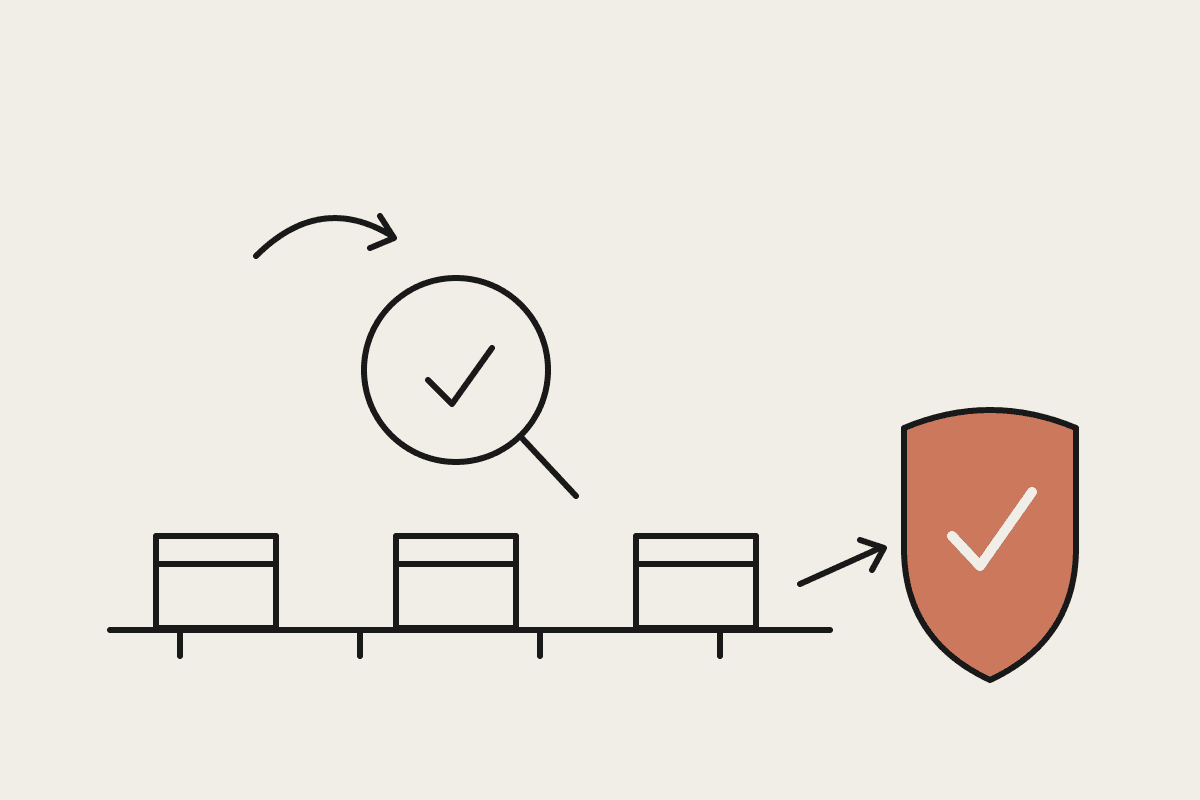
None of these are riskier than what a support worker already does by hand, because a person still reviews and signs off on every output before it reaches a plan or a file. That review step is the whole point in the early weeks, and it's what turns a promising pilot into something the team actually trusts.
Claude, open models and the privacy question
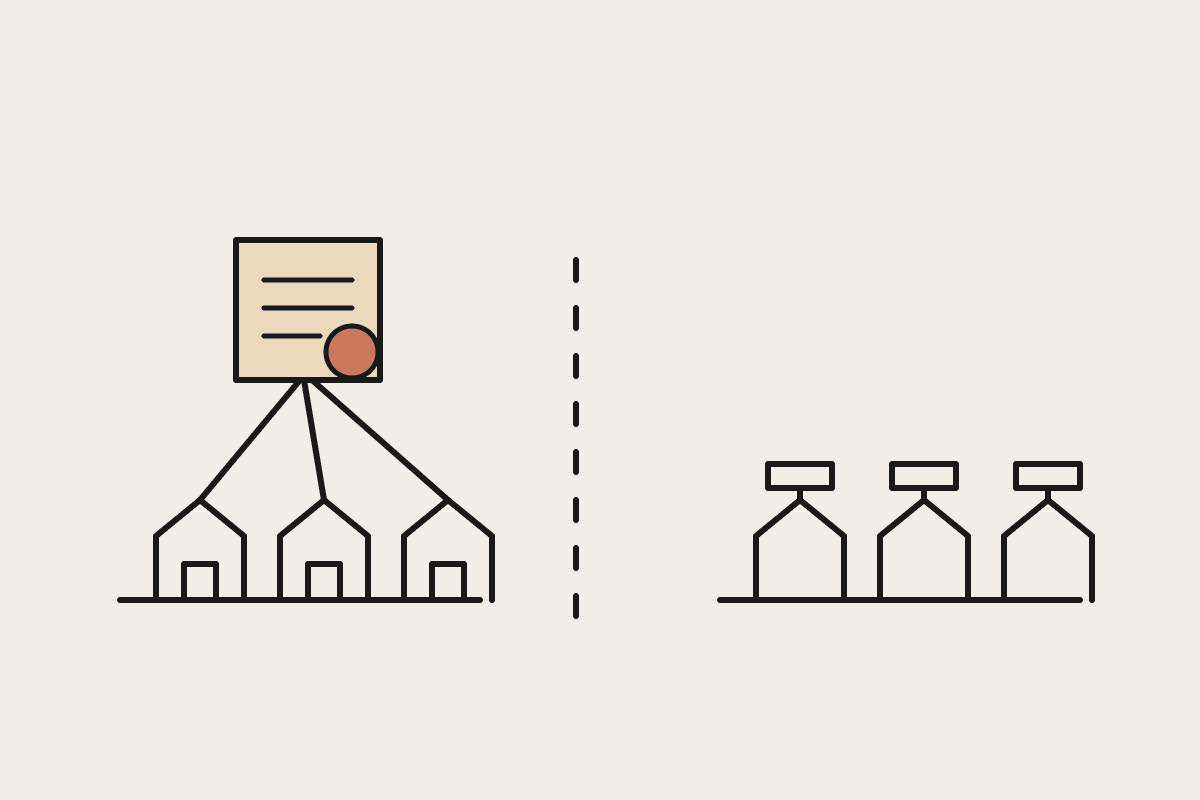
Disability support data is about as sensitive as personal information gets, and the Privacy Act treats it that way. Health status, disability, and the services someone receives all count as sensitive information under the Australian Privacy Principles, which carries stricter handling rules than ordinary personal data. A common assumption among small operators is that turning over less than $3 million a year exempts them from those obligations. That exemption carries a carve-out for organisations that provide a health service and hold health information, and disability support records generally sit in that category. In practice, most NDIS providers are covered by the Privacy Act regardless of size, which makes the Claude-versus-open-model question a practical one rather than an ideological one.
A managed model like Claude, used under a proper data processing agreement with Australian-region handling, gives a small provider governance it doesn't have to build itself. An open model run on the provider's own servers keeps data inside the building, but it also hands the provider the full weight of security patching, access logging, and incident response.
Neither option is automatically the right answer. A managed setup can still fall short if the provider doesn't check where data is processed and stored, so ask directly about Australian-region hosting, encryption at rest, and how long chat logs are retained. An open model avoids that vendor question entirely, but someone on the team still has to own patching, backups, and what happens if a laptop running the model goes missing.
No in-house technical staff: a governed managed setup is usually safer and cheaper to run.
A strict data-residency requirement written into a funding or insurance agreement: an on-premises open model may be worth the extra work.
Tight budget: start with one narrow use case instead of a broad rollout across every team.
A sensible first project for a mid-sized provider costs somewhere around $8,000 to $18,000 to set up properly. That covers a data processing agreement with clear breach-notification terms, access controls so only the right staff see the right files, and a short training session so the team knows what to check before they hit send. That's a fraction of the value of the administrative hours it hands back over a year, and it keeps the provider inside its NDIS Practice Standards and Privacy Act obligations instead of guessing at them.
Getting the rollout right
Whichever path you choose, treat the rollout as gradual rather than a single switch-over. Start with one workflow, such as progress notes, and have a support worker review every output for the first few weeks so the team builds real trust in what the tool produces before anyone relies on it unsupervised.
Weeks 1 to 2: one worker, one workflow, every output checked before it's used.
Weeks 3 to 4: widen to the rest of the team, spot-check rather than check everything.
Month two onward: normal use, with a simple log kept in case the NDIS Quality and Safeguards Commission ever asks how the process works.
Widen the scope only once notes are consistently accurate and staff are comfortable flagging when something looks off. A slow, supervised start protects participants and the provider's registration standing while the habit forms.
AI can take real weight off a support team without putting participant data at risk, provided privacy sits at the centre of the build from day one, not bolted on afterward. If you want a second set of eyes on where to start, book a short call and we'll map one use case to your obligations before you spend a dollar on tooling.