Client meetings are where the real accounting work gets scoped. A business owner talks through a messy year, a director asks about a restructure, a new client arrives with a shoebox of receipts and a vague worry about the ATO. The notes you take in that room become the basis for advice, engagement scope, and often a file a regulator could one day ask to see. That is exactly why bolting an AI note-taker onto client meetings without a plan is a risk, not a shortcut.
Claude can take a rough transcript or your own shorthand and turn it into a clean, structured file note in under a minute. The value is obvious for a firm running back-to-back meetings across Sydney and Melbourne. The catch is that meeting notes for an accountant sit on top of client confidentiality, the APES 110 code of ethics, and the Privacy Act 1988. Get the workflow right and you save hours a week. Get it wrong and you have created a compliance problem that costs far more than the time you saved.
Why meeting notes are a compliance surface, not just admin
Every note you keep about a client is a record. Under APES 110 and Tax Practitioners Board expectations, a registered agent has to keep client information confidential and handle it with reasonable care. A file note that captures a client's tax position, a director's personal circumstances, or a mention of an unlodged return is sensitive by default. When that content passes through an AI tool, three questions matter: who can see it, where is it stored, and can you delete it on request.
The Office of the Australian Information Commissioner treats accounting records as personal information the moment they identify a person. A recording of a client meeting is one of the most information-dense documents a firm produces. Handling it casually is how a small firm ends up with a notifiable data breach and a remediation bill north of $45,000 once you count legal advice, client notifications, and lost trust.
Get consent before anything records
The biggest mistake is recording a client without telling them. In most Australian states, recording a private conversation without consent can breach surveillance devices laws, and it certainly breaches the trust your engagement depends on. Consent is quick to obtain and worth documenting.
Say it out loud at the start. Tell the client the meeting is being recorded or transcribed, why, and how long you will keep it. A ten-second sentence covers you.
Put it in the engagement letter. A standing clause noting that file notes may be produced with AI assistance, reviewed by a person, and stored securely.
Offer an opt-out. Some clients will not want a restructure or a family dispute transcribed. Respect that and take manual notes instead.
Log the consent. A line in your practice management system recording that consent was given, and when.
Where the transcript lives matters
A transcript sitting in a random consumer app, synced to servers you cannot name, is a problem waiting to happen. For accountants, data residency and access control are the two things to settle before a single client meeting is captured.
Claude, used through a business plan, does not train on your content and gives you a clear line on how data is handled, which is the conversation you want to have with a client who asks. Pair it with a private folder in your own systems, restrict who in the firm can open client note files, and set a retention period that matches your record-keeping obligations rather than keeping everything forever. A firm paying $99 a month for a tool it never checked is not saving money if that tool becomes the weak link. Our view on how we handle client data is set out on our services page.
A compliance-safe workflow with Claude
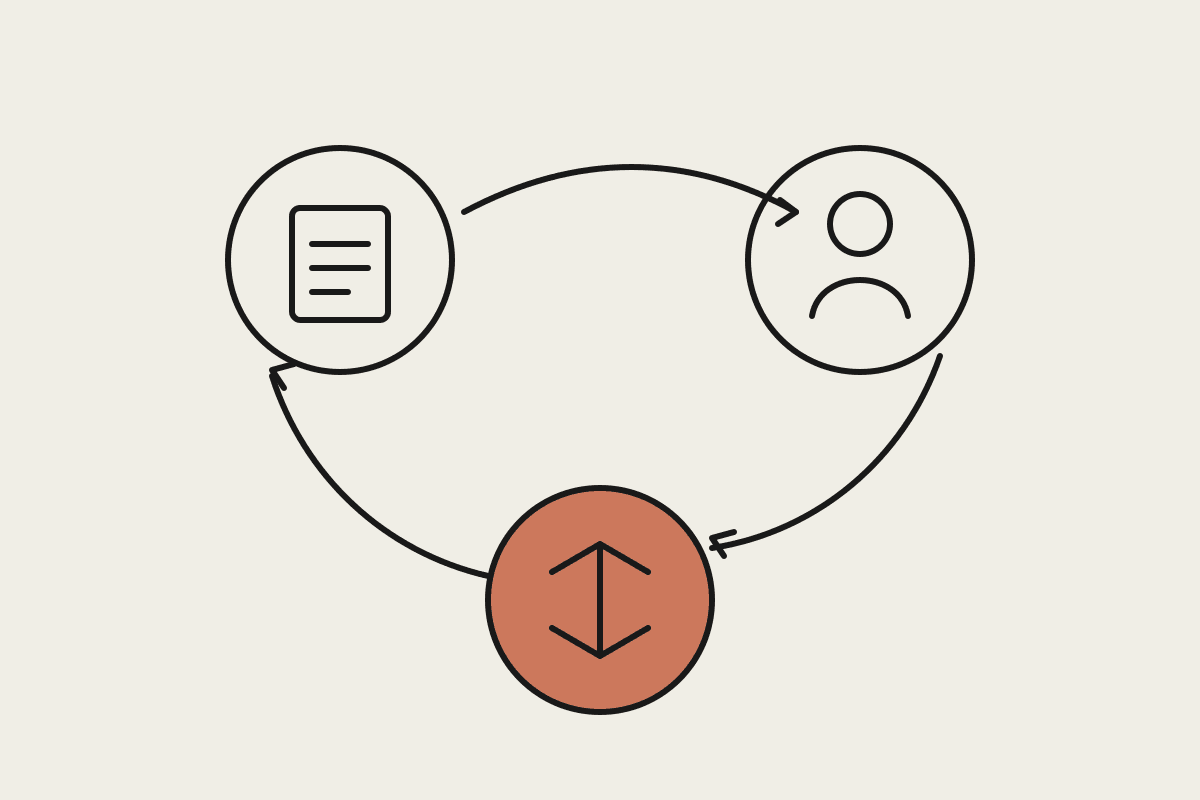
Here is a practical shape that keeps a person in charge and the risk contained. It works whether you are a solo practitioner or a ten-partner firm.
Capture with consent. Record or transcribe only after the client has agreed, using a tool whose data handling you can explain.
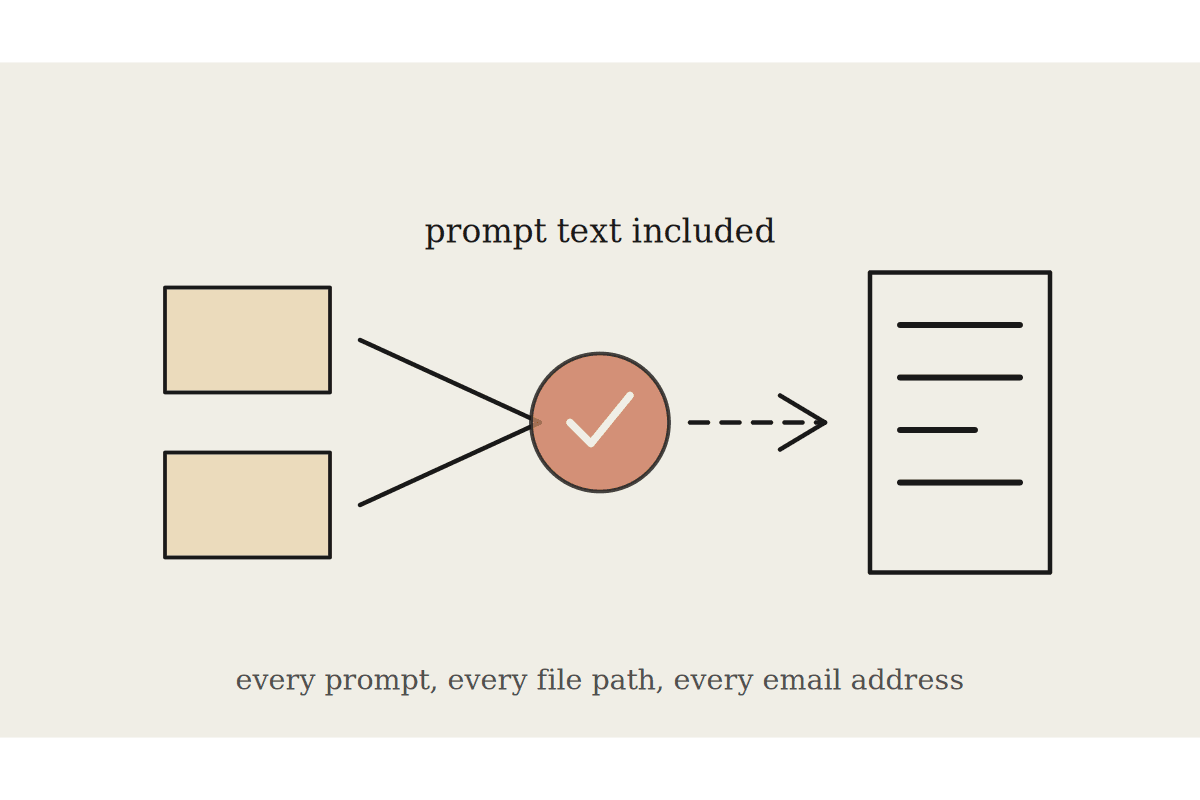
Summarise with Claude. Paste the transcript and ask for a structured file note, action items, and any figures mentioned, flagged for you to verify.
Review before it becomes a record. A person reads the summary, corrects anything Claude misheard, and removes content that should not sit in the file.
File it properly. Save the reviewed note in your practice management system, not in the AI tool, and delete the raw transcript once the note is confirmed.
Keep advice human. Claude drafts the note, a registered agent decides what the advice is.
Where Claude helps, and where a person stays in the loop
Claude is very good at the parts of note-taking that eat your evenings: turning forty minutes of rambling into a tidy note, pulling out the three things you promised to do, and drafting a follow-up email in plain English. It is not the place to make a judgement call about a client's tax position, and it can mishear numbers and names, so every figure needs a human check before it informs advice.
The firms getting real value from this are not the ones chasing the flashiest tool. They are the ones that wrote a simple policy, trained their staff on consent, and picked a workflow they can defend if the Tax Practitioners Board or a client ever asks how a note was produced. That discipline is what turns an AI note-taker from a liability into an hour or two back every day.
If you want help writing that policy and setting up a compliance-safe note-taking workflow for your firm, we work with Australian accountants to do exactly that. You can book a short brainstorm with our team to map it out.