Half the year is done. Australian boards that approved AI programs in late 2025 now have six months of evidence about what actually worked versus what looked good in a vendor deck. We compared notes with seven Australian companies between $30M and $1.2B in revenue across financial services, mid-market manufacturing, professional services, and one large not-for-profit. The pattern is sharper than expected: the rollouts that delivered ran a clearly different playbook from the rollouts that quietly stalled. Five things the winners did, four things the losers did, and the changes AU boards should make before locking H2 budgets.
Five patterns that worked in H1 2026
These showed up repeatedly across the wins. None are flashy. All are organisational rather than technical.
1. Business-led, IT-supported
Every successful rollout had a named business owner on the hook for an outcome metric: billable hours recovered, quote turnaround time, applications processed. IT was a partner, not the sponsor. The stalled rollouts all had an IT director as the visible owner, with the business sitting back and waiting to be served. By the time the business team realised the rollout was being shaped by people who would not use the tool, six months were already gone and the steering committee had quietly become the only forum where decisions got made.
2. Single use case to production before the second started
Winning rollouts picked one workflow, drove it into daily use, captured a baseline, and only then opened a second front. The stalled rollouts ran six pilots in parallel and finished none of them. One Sydney consultancy we spoke to had 11 active Claude pilots at the start of Q1 and zero in production by end of Q1. The team that picked one thing was already at $420,000 of recovered analyst time by the same review point, with a second workflow about to enter pilot.
3. Eval discipline before scale
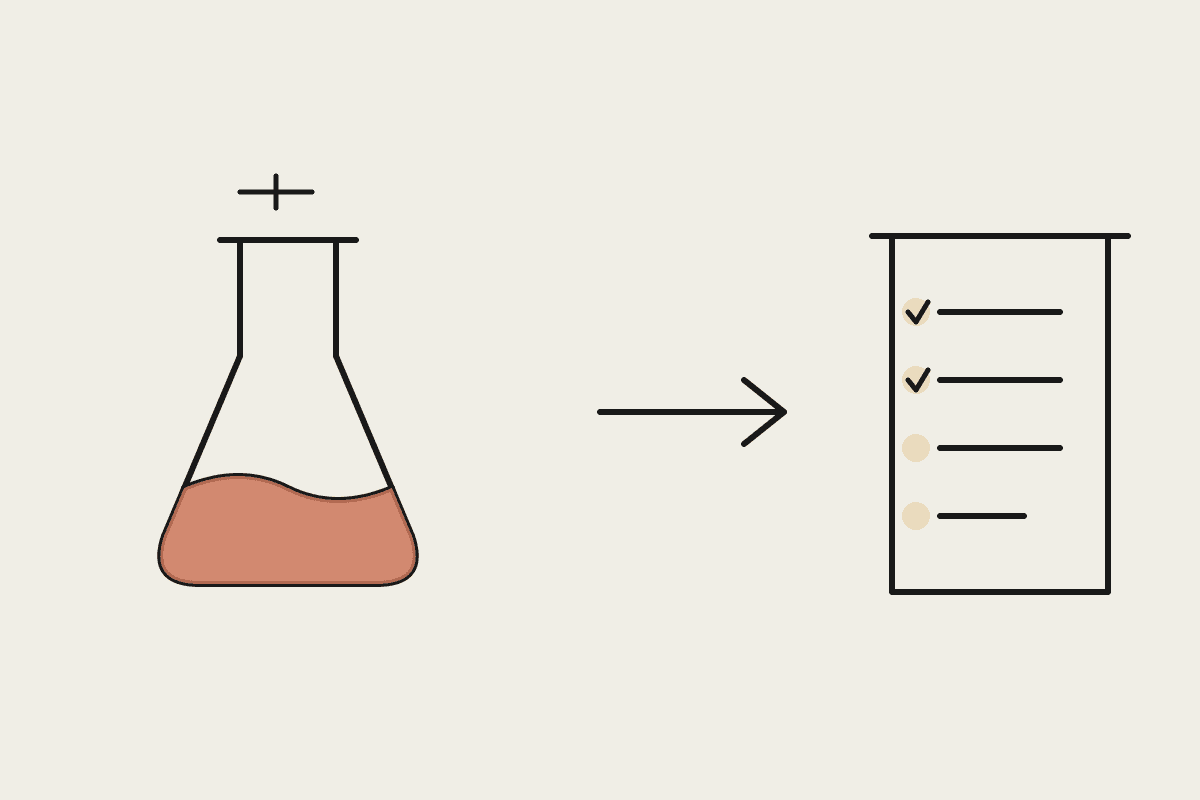
Teams that wrote down what good output looked like before the rollout could prove value at review time. They built a 30 to 80 case test set per workflow, ran the model against it weekly, and held vendors to the same bar. Teams that skipped this step ended up arguing with their CFO in April about whether the spend was working, with only screenshots and anecdotes to show. Boards consistently underestimated how much credibility an eval set bought them during the awkward Q2 budget conversation.
4. Sponsor with budget authority, not a steering committee
Every win had one accountable executive with authority to redirect spend mid-quarter. Every stall had a steering committee of six to nine people that met fortnightly and avoided the hard calls. The committee model felt safe in November and bled budget by March. Boards should be wary of any AI program structured around consensus instead of a named owner with the chequebook.
5. Claude chosen for the work, not for politics
The winning teams picked a model based on the workflow shape (long-document review, structured extraction, voice transcription, regulated writing) rather than because a vendor relationship was already in place. Where Claude was the right answer, they used Claude. Where another tool fit better, they used that. Stalled rollouts often forced one model across every workflow because procurement preferred a single supplier line item, then spent two quarters explaining why outputs were inconsistent.
Four anti-patterns that quietly drained budget
These came up again and again on the losing side. Most boards we spoke to recognised at least one of them in their own H1 program once they stopped defending it.
Big-bang rollout to 800 staff before any single team had a working pattern. Adoption stalled, training spend was wasted, and the program looked dead by Q2 even though the underlying tool was fine.
IT-led pilot with no business owner named at kickoff. Six months in, no one inside the business had authority to call the rollout a success or a failure, so it stayed in pilot indefinitely.
Model-shopping every quarter without ever finishing an eval. The vendor with the latest benchmark always won the next month, and nothing reached production because the team kept starting over.
No baseline metric captured at the start, so no defensible proof of value when the CFO asked the obvious question at the half-year review.
The pattern across these four is the same: a refusal to commit to one thing, one owner, one measurement. AI programs that try to keep all options open into Q2 quietly hand their budget back in Q3.
What the numbers showed across seven AU rollouts
Aggregating the H1 outcomes from the seven companies we worked with or reviewed, the spread between top quartile and bottom quartile was enormous. The top performers were operating profitably on AI inside one quarter. The bottom performers had spent and shown nothing for it. A representative selection of the wins is below.
A Sydney professional services firm recovered $420,000 in billable analyst hours in Q1 by routing second-pass research to Claude with a senior reviewer on the loop.
A Melbourne mid-market manufacturer cut quote turnaround from 5 days to 11 hours, lifting tender win rate by roughly 6 percent and unlocking $1.1M in incremental orders.
A Brisbane not-for-profit processed 38 percent more grant applications with the same casework team, avoiding roughly $185,000 in additional headcount it had budgeted for FY27.
A regional bank's Sydney back-office cut KYC remediation preparation time by 62 percent, with controls reviewed against APRA CPS 230 operational risk expectations.
A Melbourne legal team automated first-pass review of commercial leases from $2,500 to $45,000 in monthly rent, freeing senior lawyers to focus on negotiation rather than redlines.
Across all seven, the median program cost (Claude or platform spend, integration work, internal change effort) was around $180,000 for the half. Median realised return was $410,000. The top quartile was past 4x return by April. The bottom quartile was net negative and re-scoping under board pressure.
What AU boards should change before locking H2 budgets
If your H2 program is being shaped now, the H1 evidence above suggests four small changes that disproportionately affect outcome.
Halve the number of in-flight pilots. Pick the one workflow where success is most measurable and put real weight behind it for a full quarter before opening a second.
Name a single accountable owner with budget authority, not a steering committee. Move governance into a monthly board paper instead of a fortnightly meeting.
Write the eval set before approving the spend. If you cannot describe what good output looks like in 40 worked examples, you cannot judge the rollout six months later.
Pick the model that fits the workflow. Claude is the right answer for many AU mid-market use cases involving long-document review, regulated writing, and back-office workflows where reasoning quality matters more than raw throughput. It is not always the right answer. Make the call on capability, not on supplier preference.
Boards that did all four in H1 reported the strongest results. Boards that did none of them are now in the awkward position of explaining a stalled program to a sceptical CFO. If you are sitting on the same evidence and want a second opinion before the H2 plan is locked, the brainstorm slot at /contact is open this week.