Most Australian businesses that bring Claude into their content workflow hit the same wall within a fortnight. The drafts arrive fast, the grammar is clean, and almost none of it sounds like the company. A blog post reads like a press release. A customer email opens with a greeting nobody on the team would ever use. The fix is not a cleverer prompt typed fresh each time. It is a written style guide the agent reads on every task, the same way a new hire would be handed one on day one.
Why agents drift from your voice
An agent has no memory of how your last hundred emails sounded. Each session starts blank. If you do not hand it your voice in writing, it falls back to a generic register: polished, neutral, and forgettable. That default is the real problem. It is competent enough to publish and bland enough to slowly erode the thing that makes customers recognise you.
The drift shows up in predictable places:
Vocabulary the brand never uses, or banned words that quietly slip back in
Formatting habits that clash with your house style, like heavy bolding or long bullet lists where you prefer plain prose
Tone that runs too formal for a casual brand, or too breezy for a regulated one
Figures and claims invented to fill a gap, a genuine risk for firms under APRA or ASIC scrutiny
None of these are model failures. They are gaps in the instructions. The agent did exactly what a stranger would do with no brief.
What belongs in an AI style guide
Treat the document as a brief for a capable writer who has never met you. Keep it concrete. Vague guidance such as "be professional yet friendly" does almost nothing, because the agent already believes it is doing that. Specifics are what change the output.
A guide that actually shifts the writing usually covers:
Voice in three or four adjectives, each with a one-line example of what it means and what it does not
A short banned-words list, with the preferred replacement written beside each entry
Spelling and units: Australian English, AUD, dates in the local format
Formatting rules: heading depth, when to use lists, how long a paragraph should run
Greetings, sign-offs, and calls to action written out word for word so they are copied, not paraphrased
Two or three before-and-after samples, because one good example teaches more than a page of rules
The samples do the heaviest lifting. Give the agent a paragraph that missed the mark and the same paragraph rewritten the way you would actually say it, and it will generalise from that pair far better than from any abstract rule. Two contrasting examples beat ten adjectives every time.
Make it a file the agent reads, not a page in a drawer
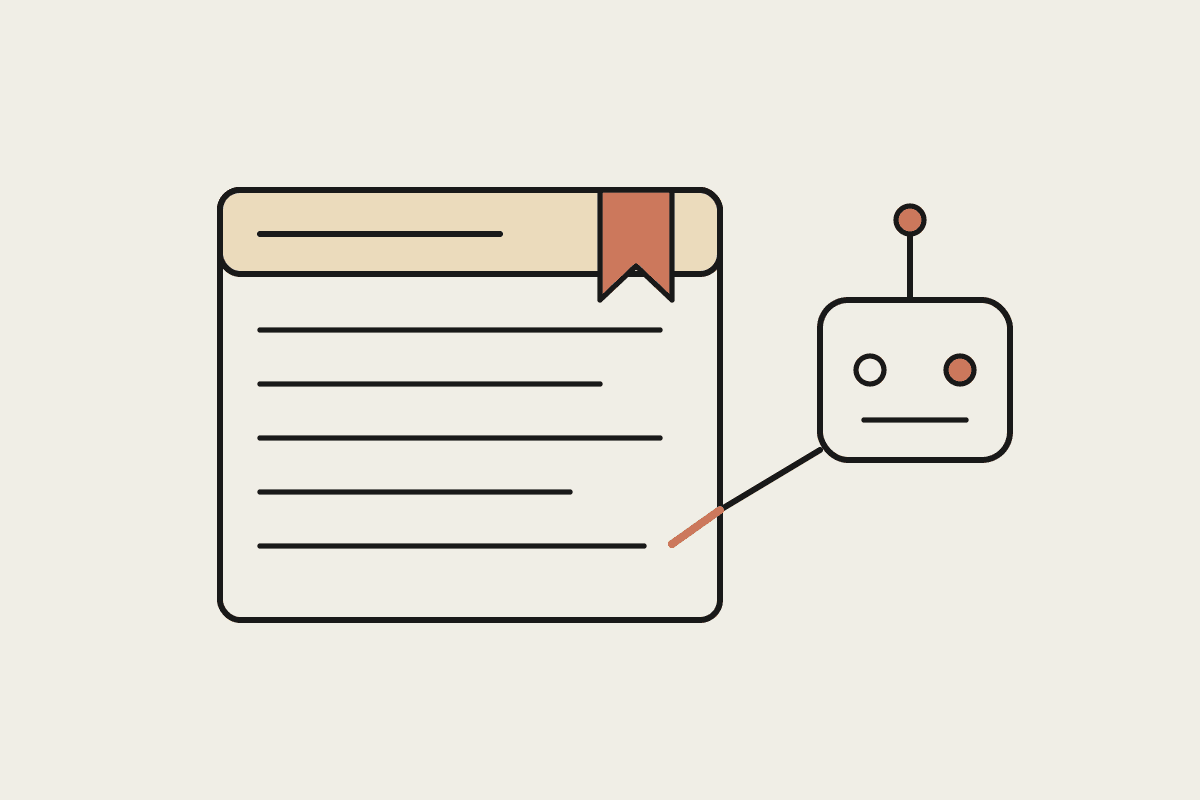
A style guide only works if it is loaded into the task itself. The pattern that holds up is a single plain-text or markdown file the agent reads at the start of every job. Developers already do this with project instruction files, and the same idea applies to marketing, support, and sales content. Keep it in one place, keep it short enough to fit in context, and update it the moment you correct the same mistake twice.
Length matters more than people expect. A twenty-page brand bible written for humans works worse than a one-page file written for the agent, because half of the long version is history and aspiration the model does not need. Strip it back to the rules that change a sentence.
Start small and measure
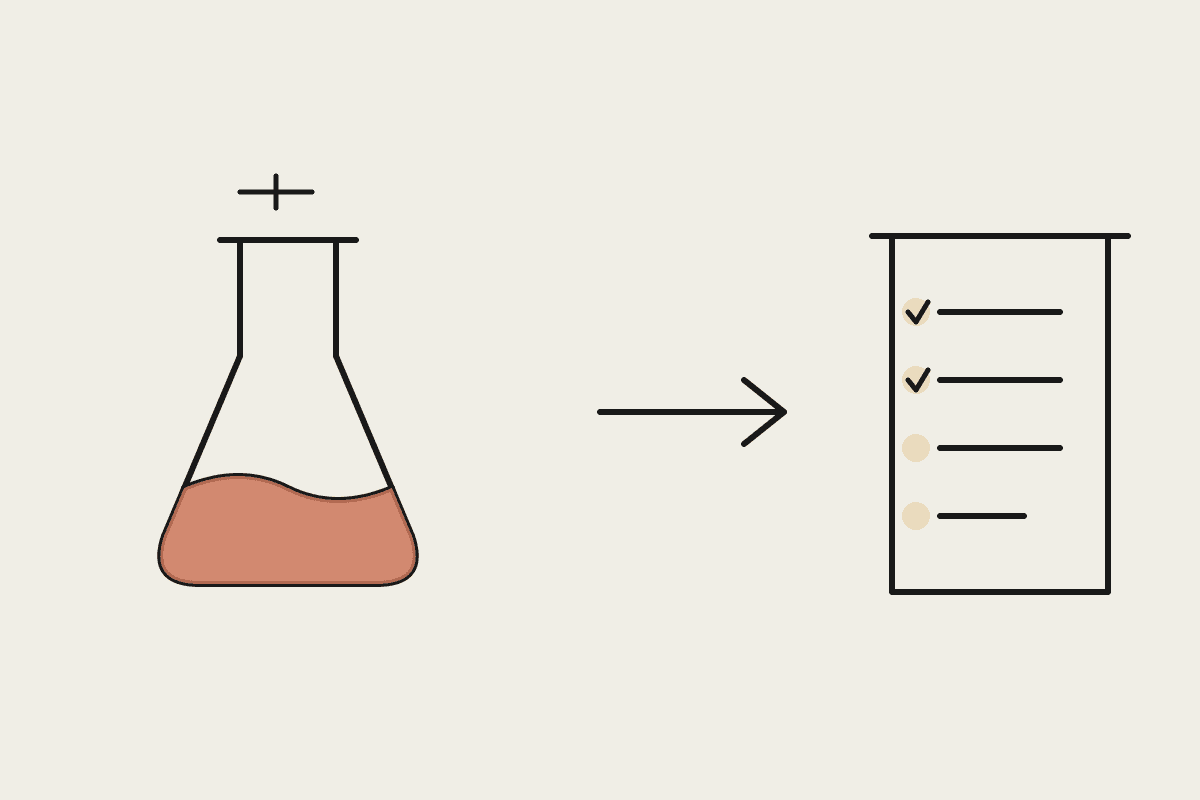
You do not need the perfect guide before you begin. Start with the ten rules that catch the errors you see most, run a week of real work through them, and add a rule each time the agent gets something wrong. Within a month a Sydney team can move from rewriting most drafts to lightly editing them.
The saving is easy to underestimate. If one marketer spends six hours a week fixing tone and reworking copy, that is roughly A$4,500 a quarter in loaded time on a single person. Halve it with a guide that took an afternoon to write and the maths is not close. Cost is only part of it. A consistent voice across every channel is what makes a small company read as a solid one.
Keep one owner and one source of truth
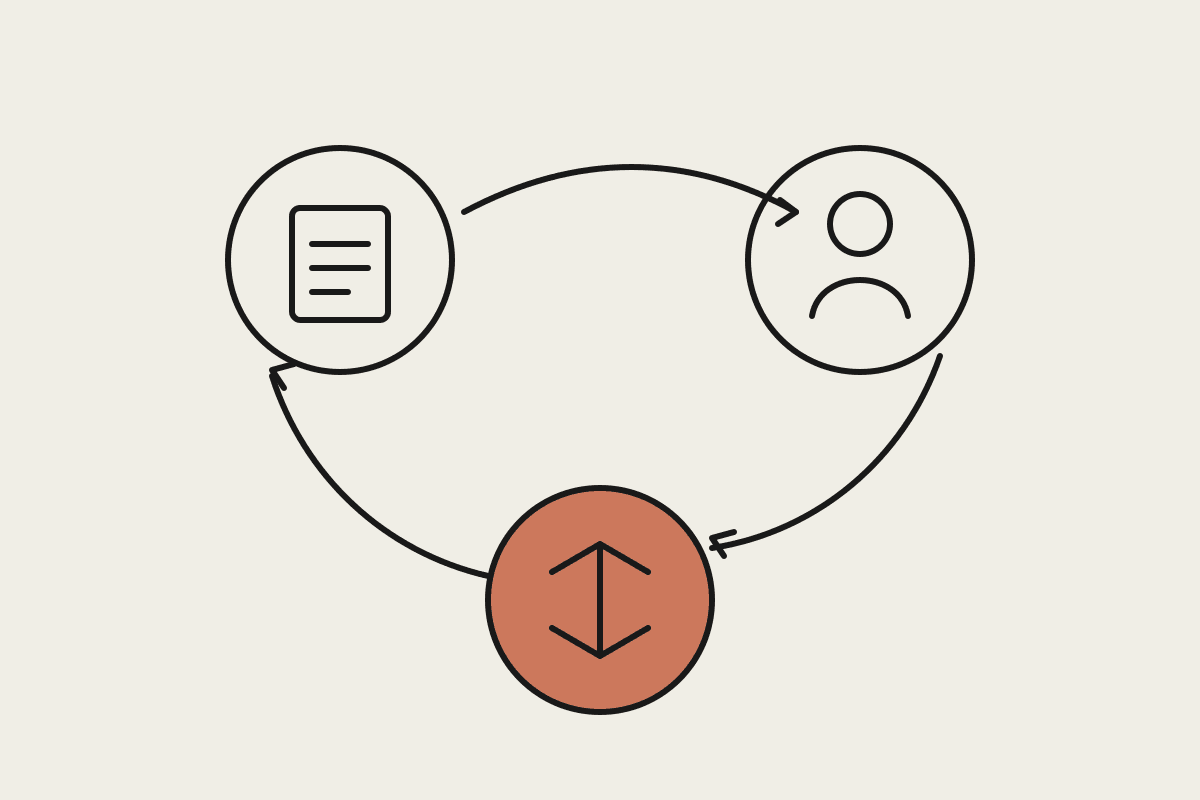
A style guide rots when three people edit three copies. Name one owner, keep one file, and treat every correction as a candidate rule. When a manager rewrites a draft, the useful question is not only whether it reads better, but which rule would have produced that version the first time. That habit turns scattered edits into a guide that keeps sharpening itself instead of a pile of fixes nobody wrote down.
It also protects you as the team grows. A new contractor in Melbourne or an offshore writer inherits the same voice on day one, without a week of back-and-forth. The file becomes the training, and it scales to as many agents and people as you point at it.
If you want help turning your brand voice into a file Claude can follow across your whole content pipeline, book a short brainstorm and we will map it out with you.