AI training for staff has become a line item most Australian businesses expect to spend on in 2026, which means it has also become a category full of noise. Prices range from fifty dollars a head to forty thousand dollars for a program, and the cheap option and the expensive option can both be a waste if you buy the wrong shape. This is a buyer's guide: the landscape, what to budget, the questions that separate a program that sticks from one that does not, and the red flags worth walking away from.
The training landscape in 2026
Four broad options dominate the market, and they are not really competing for the same job.
Generic AI literacy courses. Cheap and broad, useful for raising baseline awareness, but retention is low because nothing connects to the learner's actual work.
Vendor-platform training. Deep on one tool, which is the right idea, though quality varies widely depending on who is delivering it.
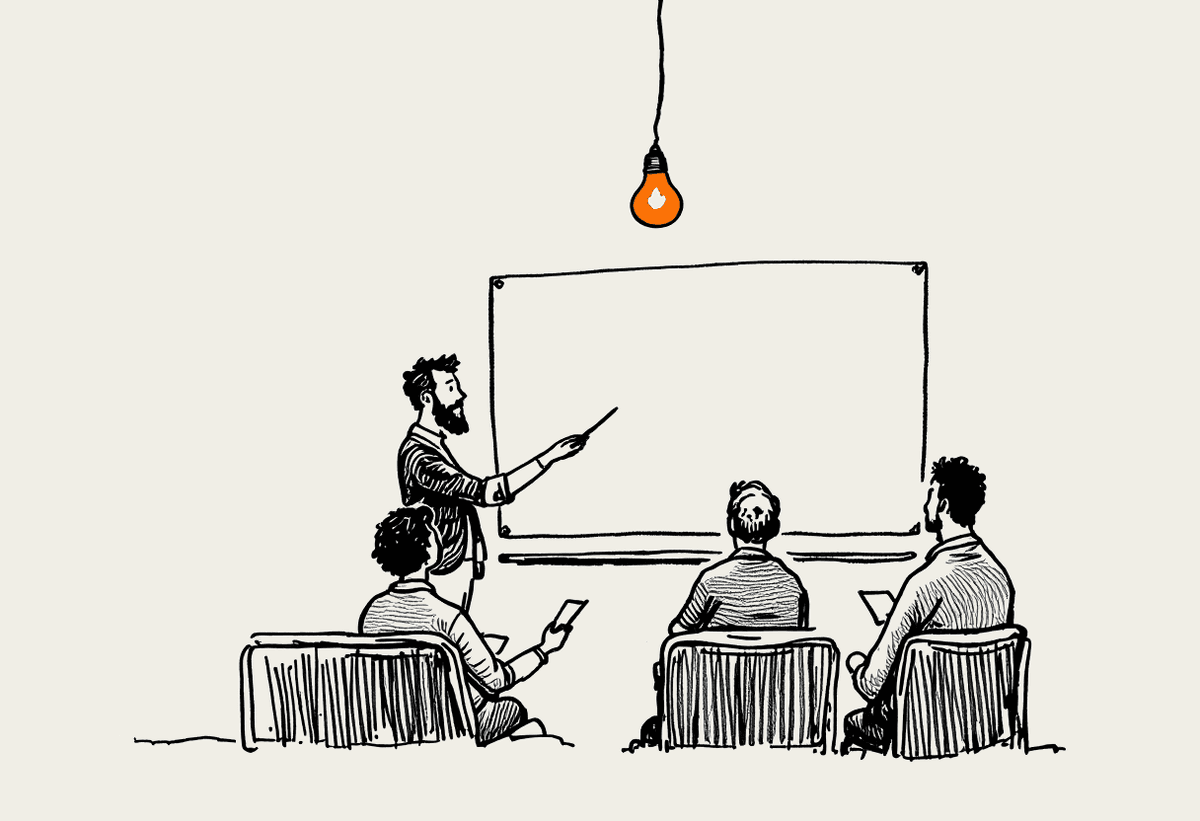
Role-based enablement programs. Built around the buyer's own workflows. Higher cost, and a much higher stick rate because people learn on the work they already do.
University and TAFE short courses. Strong on theory and good for a credential, but rarely operational enough to change Monday morning.
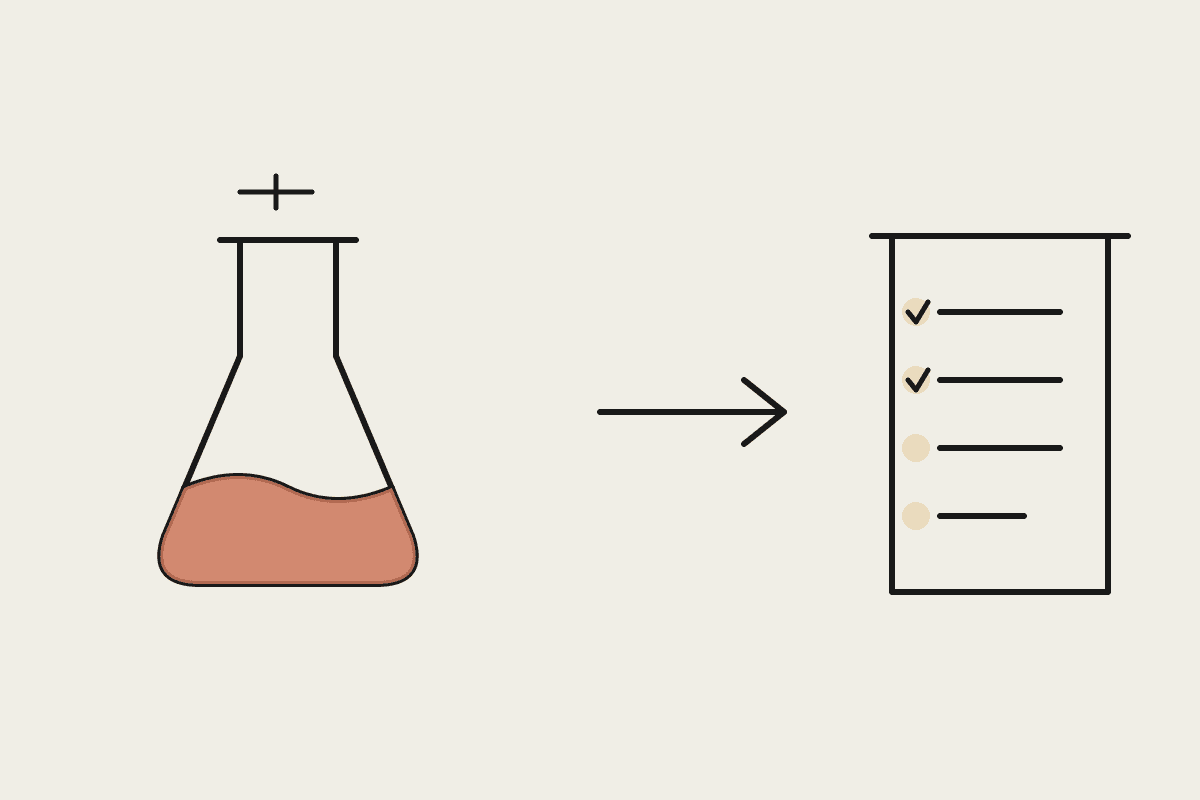
The practical way to choose between them is to be honest about what you are buying. If you want awareness and a tick in a compliance box, a literacy course is fine and you should not overpay for it. If you want a measurable change in how a team works, you are buying a role-based program whether the invoice says so or not, and the cheaper options will leave you disappointed. Most buyers get into trouble by paying enablement prices for literacy content, or expecting literacy budgets to deliver enablement outcomes.
What to budget in AUD
Rough market ranges, so you can sense-check a quote before you sign it.
Self-serve online courses: $50 to $500 per head.
Half-day team workshops: $4,000 to $10,000 for groups of up to fifteen.
Multi-week enablement with an actual workflow build: $10,000 to $40,000.
Anchor any of those numbers against payroll rather than against each other. One hour a day saved across a twenty-person team is worth roughly $250,000 a year at average Australian professional salaries. Against a figure like that, the difference between a $5,000 workshop and a $30,000 enablement program is not really about price. It is about which one actually moves the hour.
The questions that separate good from forgettable
If you ask a prospective trainer only four things, ask these.
Is the training on our real documents and systems, or on generic toy examples?
Does it include data-governance rules our compliance lead can review, covering the Privacy Act and client confidentiality?
Who owns adoption internally afterwards, and is there a scheduled follow-up?
Is there a measurement plan, or just a feedback survey at the end of the day?
A trainer who has good answers to those four is worth more than one with a slicker deck. The questions are designed to find out whether the program changes behaviour or just fills a day.
Why platform depth beats tool tourism
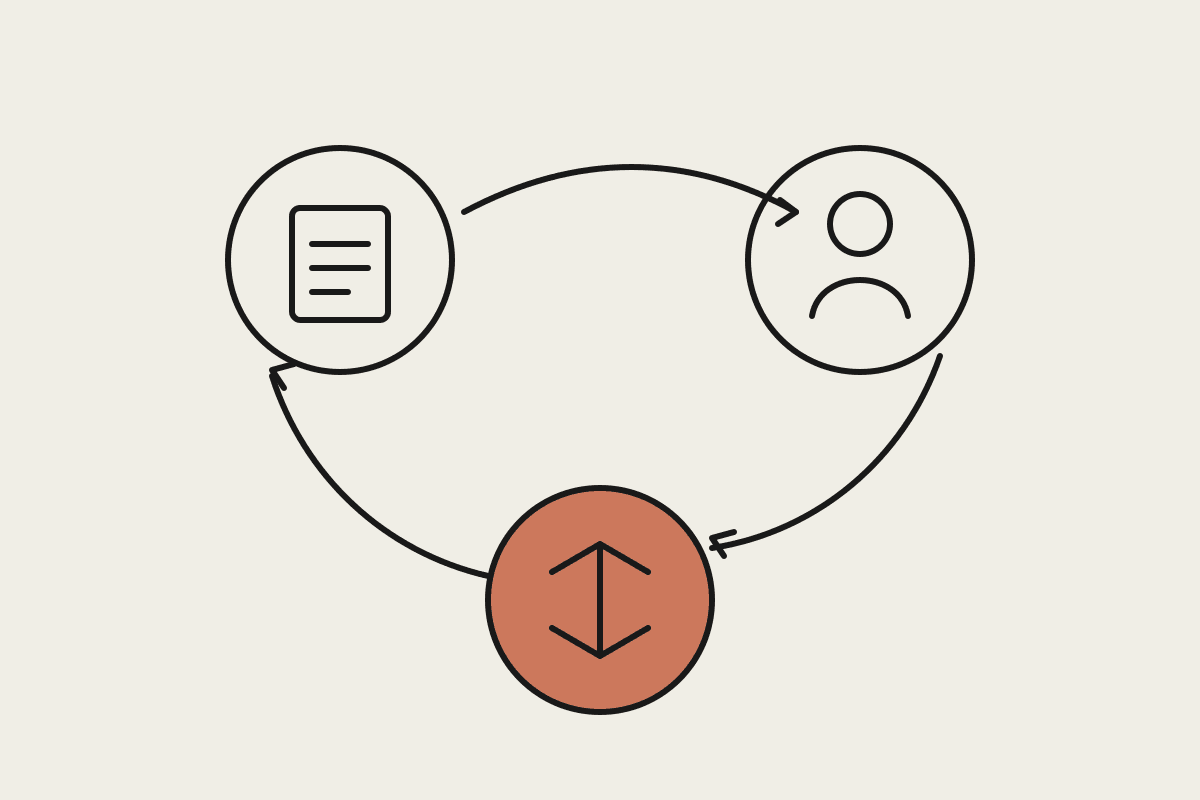
Here is the pattern we see most consistently: teams that train deeply on one platform outperform teams given a guided tour of ten tools. For most document-heavy Australian businesses, that platform is Claude, and the depth that matters is a progression rather than a single session. Staff start with solid chat skills, move to shared Projects that hold the team's context, graduate to delegated Cowork workflows for repeatable work, and the technical staff add Claude Code on top. Tool tourism leaves people able to name ten products and use none of them well.
Timing matters too. The best results come from training a team just before they have real work to apply it to, not months ahead as a box-ticking exercise. Skills that are not used within a fortnight fade fast. We tend to recommend a small pilot group first, a short feedback loop, then a wider rollout once the workflows are proven on real tasks. That sequencing costs a little patience and saves a lot of wasted training spend, which in a twenty-person business is easily tens of thousands of dollars.
Red flags
Walk away, or at least ask harder questions, if you see any of these.
No governance content at all, in a country with the Privacy Act and sector-specific obligations.
A trainer who has never deployed the tools in production and is teaching from the manual.
A deck that has clearly been recycled across every industry with the logo swapped.
We run Claude training built on your own workflows, with a separate engineering track for technical teams. If you are not sure which format fits, book a discovery call and we will recommend the right one, even when that is the cheaper option.