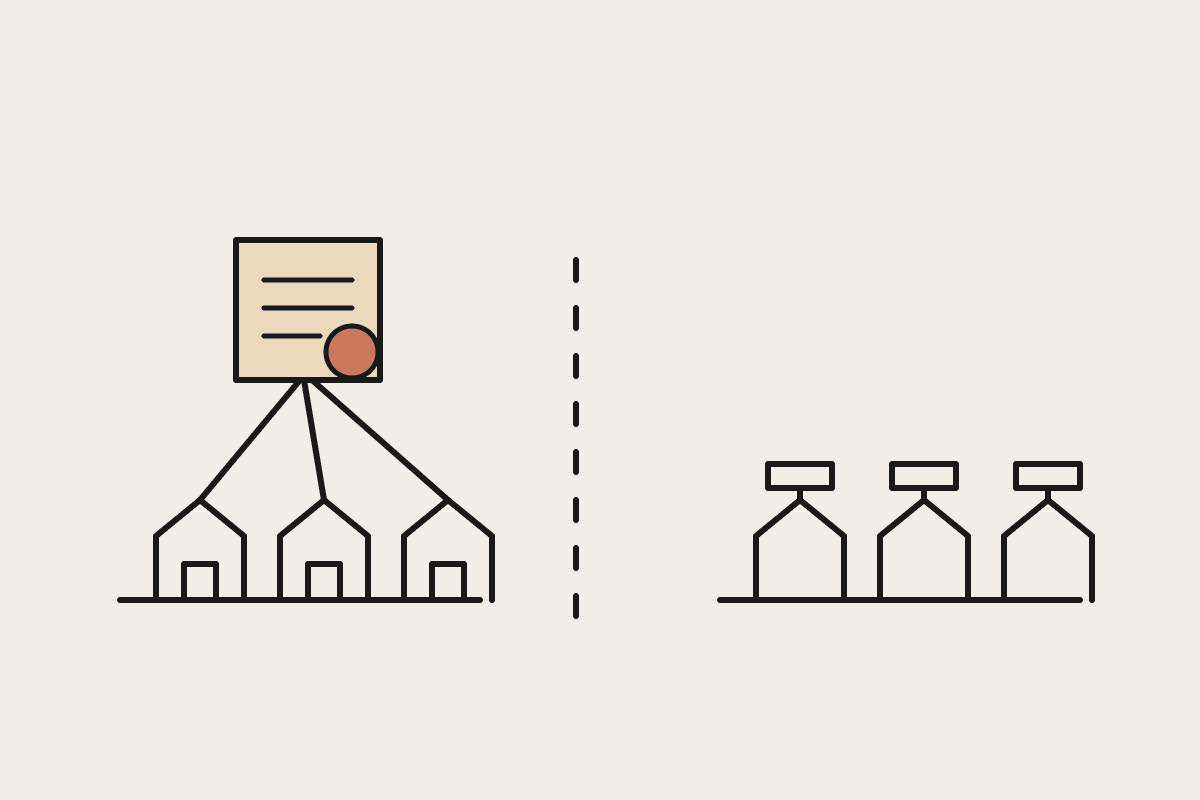
Every Australian accounting firm has the same quiet bottleneck: the stack of ATO correspondence that arrives faster than anyone can read it. Notices of assessment, activity statement reminders, payment arrangement defaults, penalty notices, review requests and director penalty warnings all land in the same inbox, addressed to dozens of different clients. During a busy lodgement period a two-partner firm in Sydney can field several hundred pieces a week. Miss the wrong one and the cost is not just a fine; it is a client who no longer trusts you to watch their back.
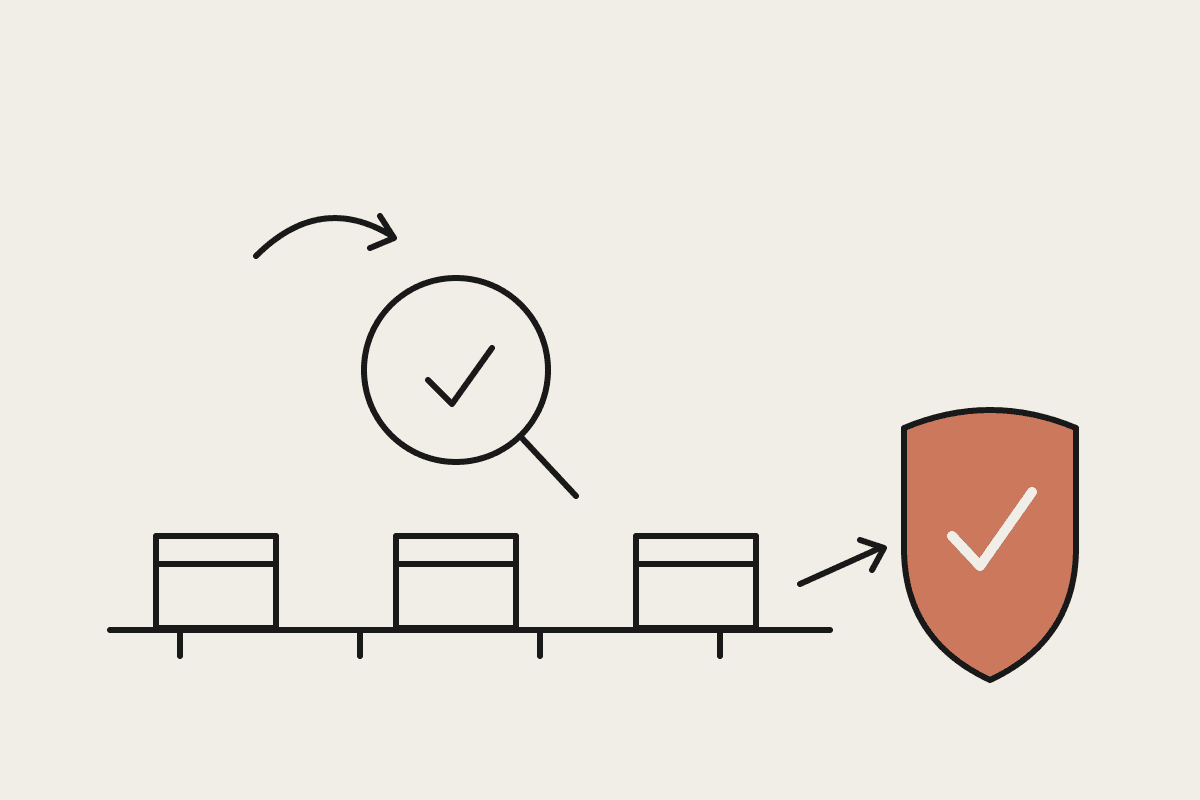
This is the kind of work Claude handles well. Not lodging your returns, and not making the judgement calls that belong to a registered tax agent, but reading a pile of letters quickly, telling you what each one is, and sorting them so the urgent items surface first. We build this as a triage step that runs before any human opens the mail.
The problem with reading the mail last
In most firms, ATO correspondence gets opened in the order it arrives, or worse, in the order someone finally gets to it. A payment arrangement default notice with a seven-day window can sit buried under forty routine activity statement confirmations. By the time it surfaces, half the window is gone. The failure-to-lodge and general interest charges that follow are calculated in penalty-unit increments, and they accrue whether or not the letter was ever opened.
The manual fix is to have a senior staff member sort the post every morning. That works, but it spends the most expensive time in the firm on the least valuable task. If a partner burns forty-five minutes a day deciding which envelopes matter, that is roughly A$4,500 of billable time a month gone before the real work starts.
What Claude does with a piece of ATO mail
Claude reads each item, whether it arrives as a scanned PDF, a myGov message export or plain text, and returns a short structured summary. For every letter it identifies the client, the correspondence type, any deadline, the dollar amount at stake and a recommended next action. What you get back is a ranked list, not another filing cabinet.
Identify the client and match it to your practice records, so a letter addressed to a trust name is linked to the right file.
Classify the correspondence: assessment, reminder, review or audit notice, penalty, payment arrangement, or general update.
Extract the hard date. A respond-by or pay-by date is pulled out and flagged, with the number of business days remaining.
Weigh the stakes. A A$220 late-fee reminder is triaged differently from a review that could put a A$110,000 client relationship at risk.
Draft the first response. For routine items, Claude prepares a short reply or client note that a team member reviews before it goes anywhere.
A worked example
A Brisbane bookkeeping firm ran a fortnight of ATO correspondence through this triage before touching any of it manually. Out of 214 items, Claude flagged nine as time-critical, including two payment arrangement defaults and one review notice that had slipped through the previous week's post. The other 205 were routine confirmations that needed filing, not action. The senior bookkeeper spent her morning on the nine that mattered instead of wading through all 214, and the review notice went out with four days to spare.
The point is not that Claude replaced anyone. It read first, sorted honestly, and handed a person a short list with the reasoning attached. Every recommendation carried the exact sentence from the letter that triggered it, so nothing had to be taken on faith.
Keeping it compliant
Client tax affairs are sensitive information under the Privacy Act, and tax agents carry obligations under the Tax Practitioners Board code of conduct. A triage tool has to respect both. We hold three rules on every build of this kind.
A registered agent signs off on anything that leaves the firm. Claude drafts and prioritises; it never lodges, pays or responds on its own.
Client data stays inside the firm's approved environment. Correspondence is processed under Claude's business terms, not pasted into a consumer chat window.
Every triage decision is auditable. The summary keeps the source line and the client match, so a partner can check the reasoning in seconds.
These are the same controls a good manual process already has. The difference is that they run in minutes rather than hours, and they run the same way whether it is a quiet Tuesday or the week before a BAS deadline.
Where to start
You do not need to rebuild your practice management stack to try this. Most firms begin with a single fortnight of correspondence and one clear question: how many time-critical items were buried in the routine pile? That number usually settles the business case on its own. From there, the triage step becomes a standing part of the morning, quietly reading the mail first so your people can spend their attention on the letters that actually move a client's position.
If you run an Australian firm and want to see ATO correspondence triage on your own sample of mail, we can walk through it in a short session. Book a time and we will map it to how your practice already works.