Most first AI projects in Australian businesses fail for the same reason: they aim too high. A leadership team reads about agents that run an entire function, then scopes a first build that touches five systems, three departments, and a compliance sign-off committee. Six weeks later the result is a demo nobody trusts and nobody uses, and the budget conversation gets harder for everyone who comes after.
There is a calmer way to choose a first Claude project, and it sounds almost too modest. Pick something boring. The boring-first rule says your opening build should be a task so unglamorous that nobody will fight you over ownership, yet so repetitive that removing it hands a team back real hours every week. Boring is not a consolation prize. It is the fastest route to a win your business will actually believe.
Why boring wins
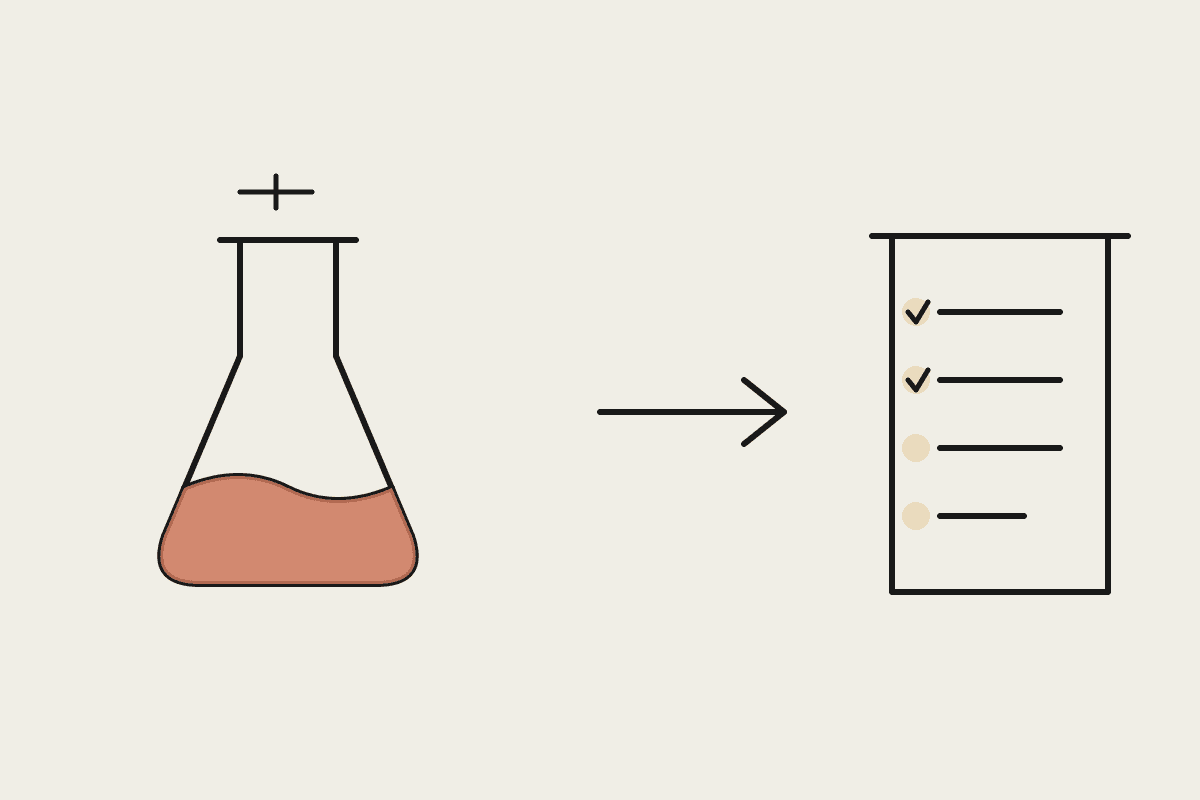
A boring task has three properties that make it the right first target. It has a small blast radius, so if Claude gets something wrong the cost is a corrected draft, not an angry customer. It repeats often, so the time saved compounds quickly and the value is obvious by the second week. And it is easy to check, so the person handing work to Claude can confirm the output in seconds rather than auditing a black box.
Consider a finance team in Sydney that spends part of every week turning supplier emails into a standard purchase summary. It is dull work, it is error-prone late on a Friday, and it quietly costs about $45,000 a year in salaried time once you add up the hours across the team. That is the kind of task worth starting with. The data stays internal, the format is well understood, and the team already knows what a correct answer looks like, which makes Claude easy to supervise while trust is still being built.
Boring also keeps you out of the hardest regulatory questions on day one. A first build that handles internal documents and produces a draft for a human to approve sits well inside the Privacy Act and your own governance rules. You learn how Claude behaves on your real data, in your real workflow, before you ever point it at anything customer-facing or anything that makes an irreversible decision.
The four-question test
When a candidate task lands on your desk, run it through four questions. If you answer yes to all four, you have found a strong first project.
Does this task happen at least a few times a week, every week, so the saved time adds up fast?
Can a person check whether the output is right in under a minute, without opening five other tabs?
If Claude gets it wrong, is the worst case a corrected draft rather than a financial loss or a public mistake?
Does the work stay on internal data and stop short of a final, irreversible decision?
The four-question test does something useful beyond picking a project. It teaches the people around you what a good Claude task looks like, so the next ten ideas arrive already shaped. That shared instinct is worth more than any single automation.
It also helps to write down, in one sentence, what success looks like before you start. Something as plain as: by the end of the month, this task takes ten minutes instead of two hours, and the team trusts the draft enough to send it after a quick read. A clear finish line keeps a first project honest, stops it sprawling into a platform, and gives you a number you can take to the next budget conversation.
What to avoid on the first build
The tasks that look most impressive in a board slide are usually the worst place to begin. Avoid anything customer-facing on the first attempt, because a wrong answer there costs reputation you cannot quickly repair. Avoid anything that needs perfect accuracy every single time, such as a regulatory filing with no human in the loop, because early trust is fragile and one visible miss can stall a programme for months. And avoid the build that has to wire together five systems before it produces a single result, because you will spend your whole first month on plumbing instead of learning.
None of these tasks are off-limits forever. They are simply the wrong second step disguised as a first one. Win on something boring, show the saved hours, and the harder projects become much easier to fund because the people approving them have already seen Claude work on ground they understand.
If you are weighing up where to start and want a second opinion on a shortlist of candidate tasks, that is a short and useful conversation to have. You can book a time to talk it through and leave with a first project your team will actually ship.