Claude's recent guidance on building effective human-agent teams marks a shift in how to think about AI at work. The model is no longer just a tool you open when you need it. It can take on a defined role alongside your people, doing first drafts, research, and routine follow-up while the humans handle judgement and relationships. For an Australian business, the confirmed headline is less interesting than the practical question it raises: how do you actually structure a team where people and Claude agents work side by side?
Treat the deeper specifics as general guidance rather than a fixed recipe, because every team's work is different. What follows is a practical way to set up human-agent teams that holds up whether you are a five-person firm or a fifty-person one.
Start with the work, not the org chart
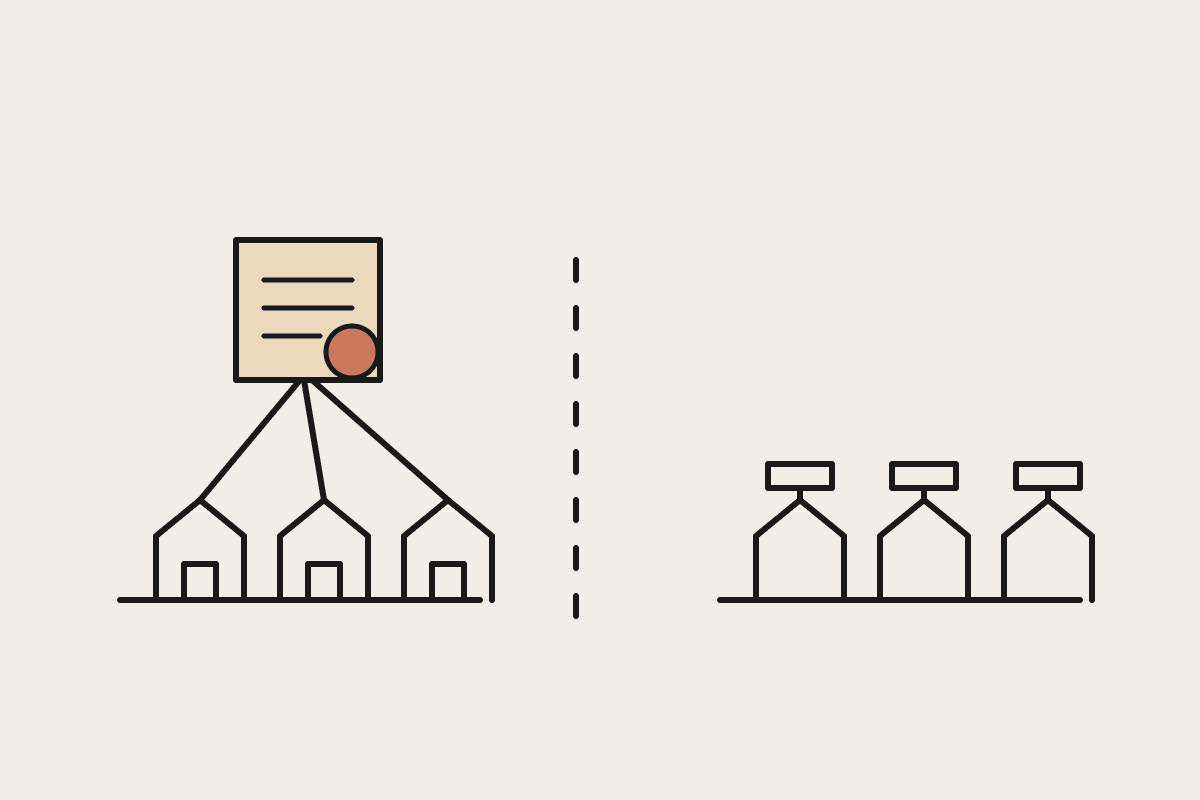
The first mistake teams make is deciding to use agents and then hunting for somewhere to put them. The better starting point is the work itself. Look at what your team does in a week and sort it into two piles: the parts that are repetitive and well-defined, and the parts that need human judgement, context, or a relationship. Agents belong in the first pile, and they free your people to spend more time in the second.
This sounds obvious, but it changes the conversation. Instead of asking whether AI can replace a role, you ask which slices of many roles a Claude agent can carry. That framing is easier to act on, less threatening to your staff, and far more likely to deliver something useful in the first month.
Good agent work: repetitive, rule-bound, high-volume tasks such as drafting, summarising, sorting, and first-pass research.
Keep it human: decisions that need judgement, anything involving a customer relationship, and calls with legal or financial weight.
Shared work: an agent does the first 80 percent, a person reviews and finishes the part that needs care.
Off limits for now: anything where a confident wrong answer would be expensive and hard to catch.
Design the handoffs that hold it together
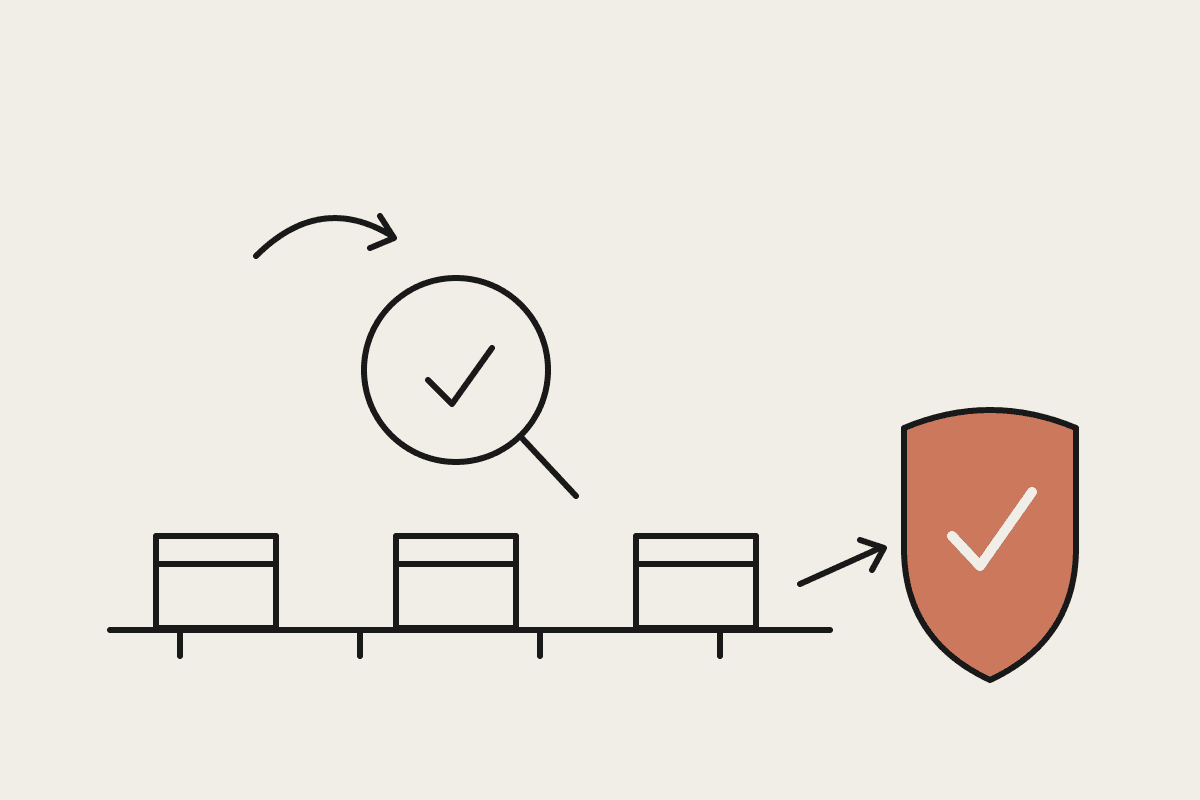
A human-agent team lives or dies on its handoffs. The agent should know exactly where its job ends and a person's begins, and the person should know what to expect when the work lands on their desk. A clean pattern is to have the agent do a first pass, mark anything it is unsure about, and hand a tidy draft to a human who reviews, corrects, and approves. The human is the editor and the owner, not the typist.
Build in an escalation path as well. When an agent hits something outside its remit, a refund above a threshold, a complaint, an unusual request, it should stop and pass the matter to a named person rather than guessing. Most of the trouble with agents comes not from what they get wrong, but from them pressing on when they should have paused. A clear stop rule fixes most of that.
Who does what in a human-agent team
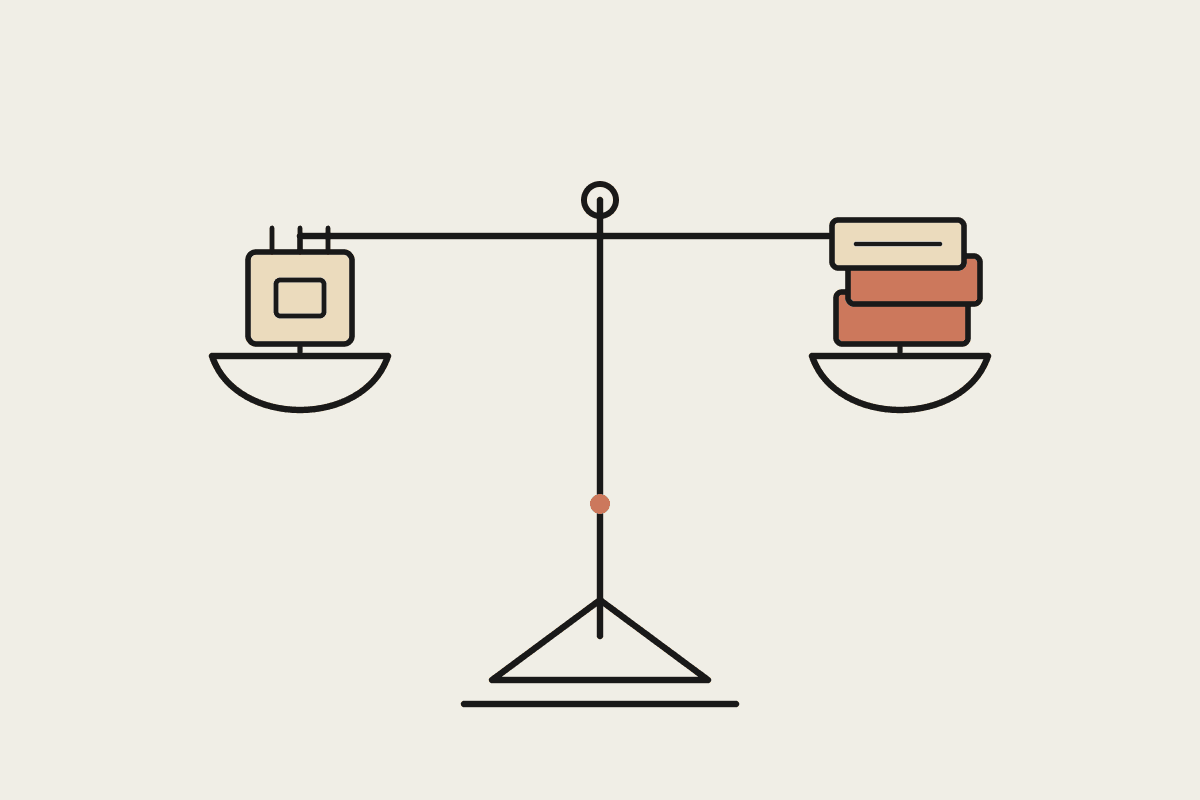
In a working team the agent tends to act as the drafter, researcher, and monitor. It produces the first version, gathers the background, and keeps an eye on things that change. The human acts as the reviewer, decision-maker, and relationship-holder. They bring the judgement the agent lacks and the accountability the business needs. Neither role is a junior version of the other. They are different jobs that fit together.
The payoff is capacity. A five-person team where each person is paired with a Claude agent can often handle the workload that would otherwise call for another hire. For a small business weighing a $90,000 salary against a tighter operating model, that is a real decision, and the honest version of it is not about replacing anyone. It is about lifting what your existing people can get through before you need to grow the team.
Make it safe to scale
As you add agents, the governance has to keep pace. Give each agent a clear identity and a scope of access that matches its job, so a drafting agent cannot reach into payroll. Set spend caps so an automation cannot run up a surprise bill, and keep a record of what each agent did. For an Australian business handling personal information, that audit trail is also how you meet Privacy Act expectations once software, not just staff, is acting on your behalf. Start with two or three agents, measure what they save, and expand only once the pattern is working.
If you want help designing human-agent teams that fit how your business actually works, we can map the roles and handoffs with you. You can book a brainstorm and we will start from your real workload, not a template.