OpenAI has pulled the management of ChatGPT agents into a single admin console: one screen showing an agent's identity, what it did, which apps and data it can reach, and how heavily staff use it. For an Australian IT lead, that consolidation is welcome. It is also the right moment to ask a sharper question. A console that reports agent activity is not the same thing as a governance model that survives the Privacy Act, APRA CPS 234, or a hard question from your auditor.
At Automata AI we build on Claude, and the checks below are the ones we run with Sydney and Melbourne IT teams before any agent touches a customer record. They hold whether you run ChatGPT, Claude, or both, so treat this as a buyer's lens rather than a pitch.
What an agent admin console actually controls
Most agent admin consoles, ChatGPT's included, organise control around four things. Knowing what each one does, and where it stops, tells you how much of the governance load the console genuinely carries and how much still sits with you.
Agent identity. Every agent gets an ID, so an action traces back to a specific configuration instead of a vague 'the AI did it'. You will want that the day you explain an automated decision to a regulator or a customer.
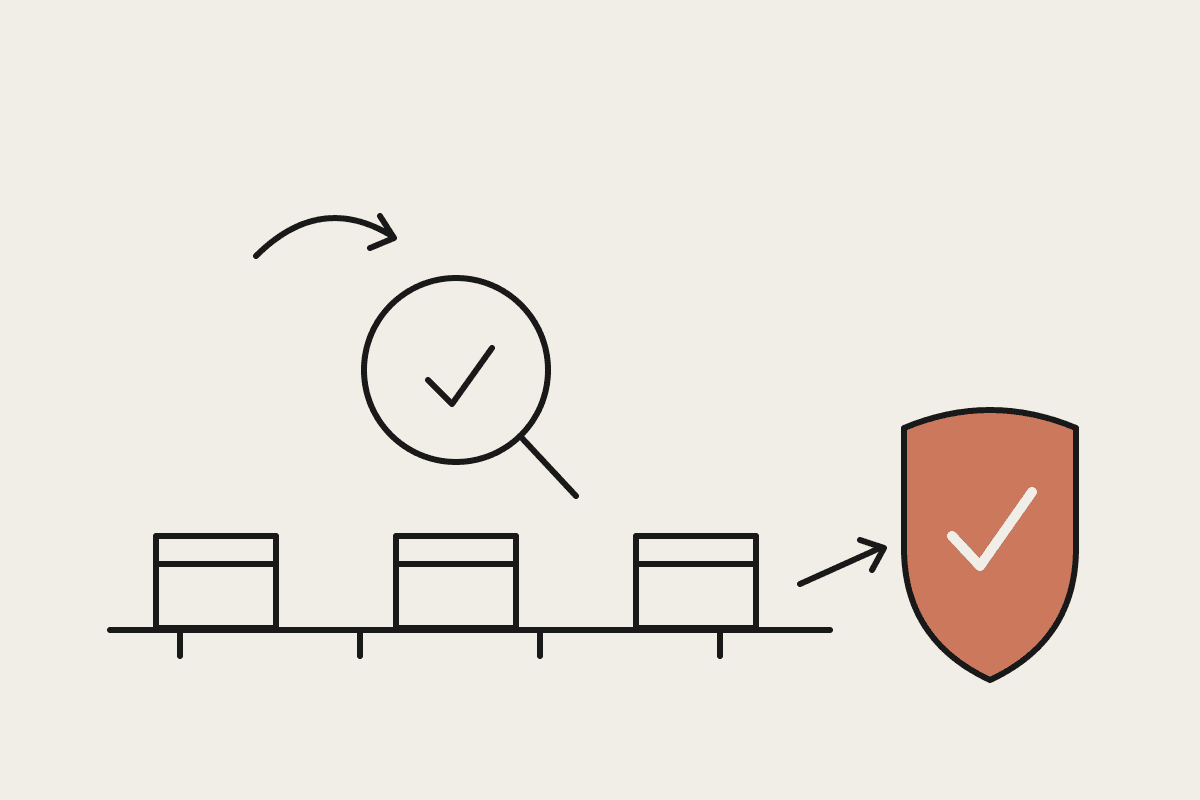
Activity logs. A record of prompts, tool calls, and outputs. Check how long logs are kept, whether you can export them, and whether they capture the data the agent read, not only the reply it returned.
Connected apps and data scopes. Which systems the agent can reach, from email to your CRM. This is the highest-risk surface, because a broad scope quietly turns a chat assistant into a path for data to leave the building.
Usage analytics. Who uses the agent and how often. Useful for adoption, weak for risk, because volume says nothing about whether one sensitive query went somewhere it should not have.
Notice what those four pillars share: they describe activity after the fact. Each is necessary, none is sufficient on its own, and together they still leave the live decisions, who gets access and what needs sign-off, with you. A strong console makes those decisions easy to enforce and easy to prove. A weak one records what already happened and hopes nobody asks for more.
Where Claude's governance model fits Australian rules
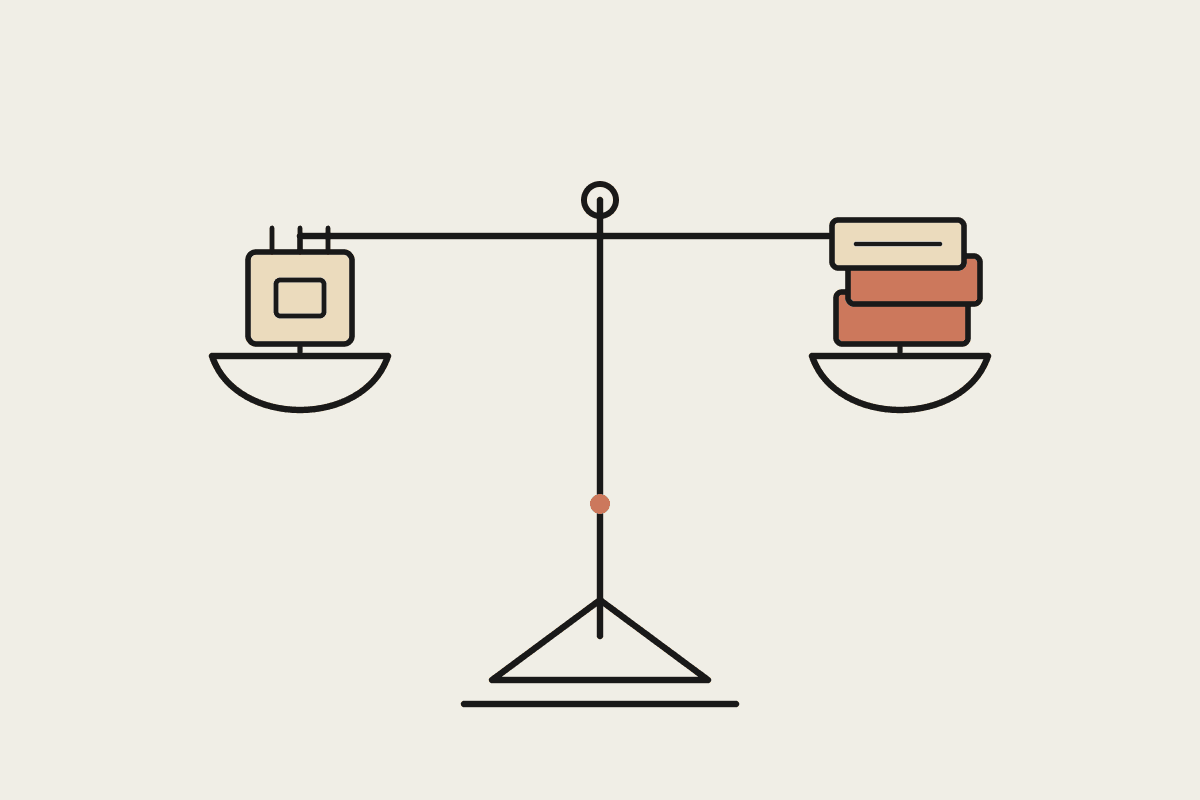
A console answers what happened. Governance answers what is allowed to happen, and who decided. This is where a Claude-first setup earns its keep. Anthropic, the company behind Claude, designs the model and its enterprise controls around data minimisation and clear administrative boundaries, which lines up well with the obligations an Australian business already carries.
Under the Privacy Act 1988 and the Australian Privacy Principles, you are accountable for personal information the instant an agent reads it, whether or not the model retains it. APRA-regulated entities carry CPS 234 information-security duties on top of that, and AUSTRAC reporting obligations do not pause because a bot did the work. The practical test is plain: for any given agent, can you show what data it could access, what it did access, and that the access was authorised? If that answer lives only in a usage chart, you have a reporting tool, not a control.
The checklist for Australian IT leads
Run any agent platform through these questions before it reaches production, ChatGPT and Claude alike. We use the same list on our own deployments, so it is built to be answered with evidence, not admired on a slide. If a vendor cannot answer one of them, that gap is your risk to carry, not theirs.
Data residency. Where are prompts and logs stored and processed? Confirm whether Australian customer data leaves the country, and whether that crossing is disclosed under APP 8.
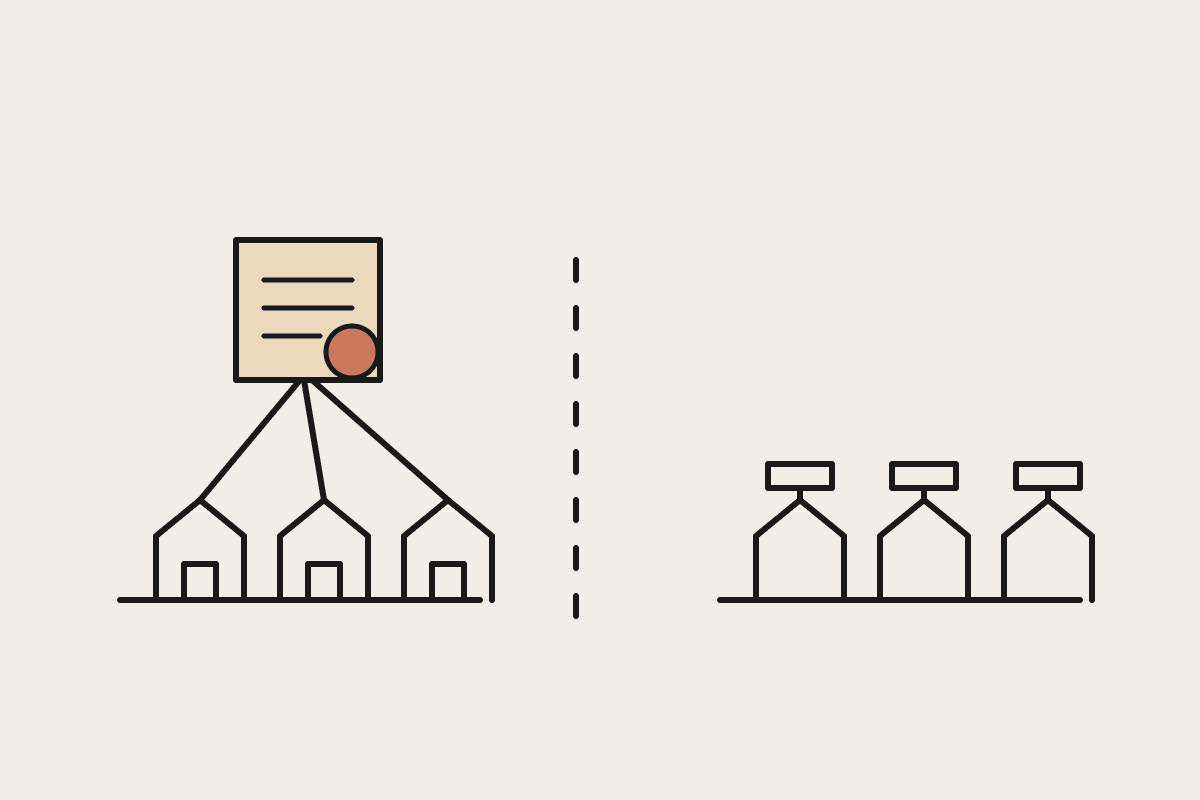
Scope minimisation. Does each agent get the narrowest access it needs, or a blanket connection to everything? Default-deny beats default-allow every single time.
Human approval gates. For any action that moves money, emails a customer, or changes a record, is a human sign-off required? The Claude workflows we build draft and wait; they do not send on their own.
Audit export. Can you pull a complete, time-stamped log for an incident review or an OAIC notification in hours, not weeks?
Offboarding. When a staff member leaves or an agent is retired, are its credentials and connected-app tokens revoked in one step?
What it costs to get wrong
The numbers make the case better than any feature list. Serious or repeated interference with privacy can now draw penalties into the millions under the amended Privacy Act, and the regulator has signalled it intends to use them. Short of a fine, the operational cost of a single mishandled-data incident for a mid-sized Australian firm runs past $45,000 once you add forensic review, legal advice, customer notification, and remediation, and that is before reputational damage. For an APRA-regulated lender or a clinic holding health records, the multiplier on that base case is steep, and the board-level questions that follow a breach cost time you cannot bill. Set against that, governing agents properly from day one is cheap insurance.
Where to start
The aim is not to slow your team down. Agents that are scoped tightly and logged well are the ones you can actually let loose, because you can answer for them. Governance, done early, is what lets you say yes to more automation later, not less.
You do not have to commit to one vendor to get this right. You need a governance model that holds up to an audit and is applied the same way across every agent you run. That is the work we do: mapping data flows, setting scope and approval rules, and standing up Claude-based agents that draft, log, and wait for a human where it matters. If you want a second set of eyes on your agent setup before it scales, book a brainstorm with us.