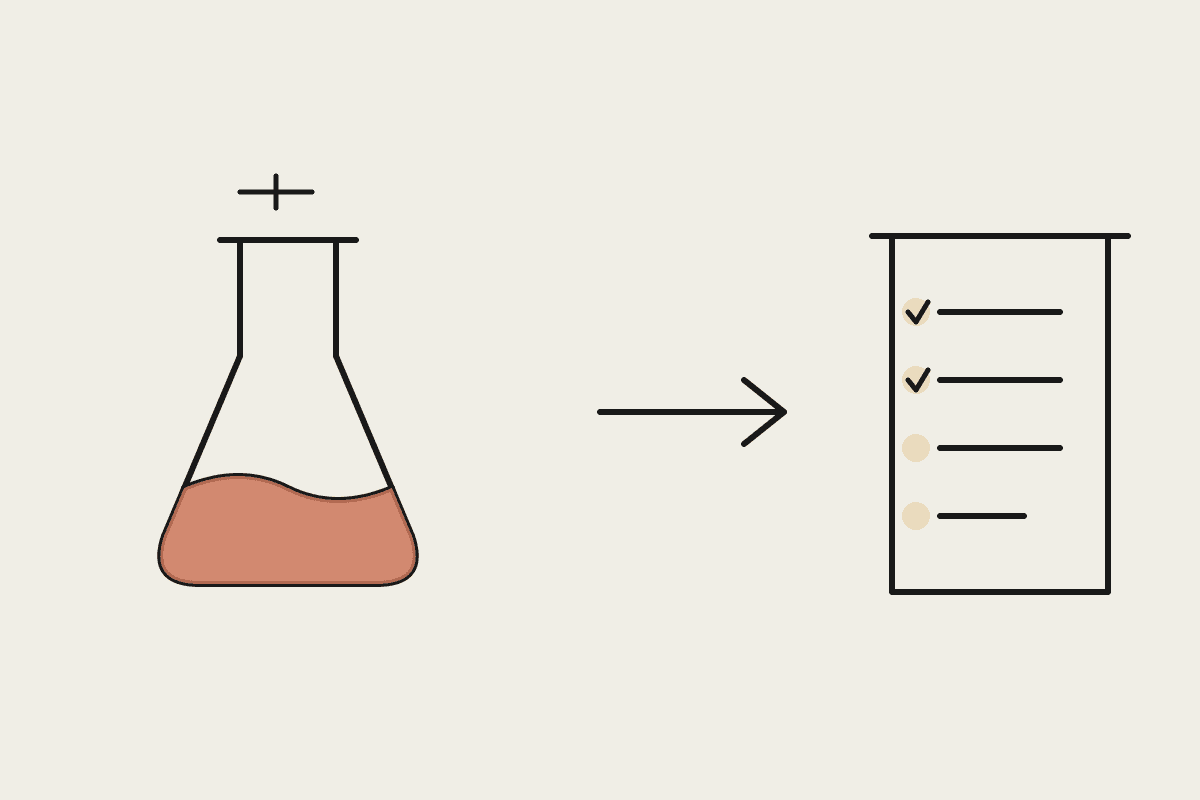
Every bookkeeper knows the pattern. The bill is due, the receipt is sitting in a supplier's inbox, and the client swears they sent it last week. Hubdoc solved a large slice of this problem by fetching statements and bills directly from suppliers and reading the key fields off each document. What it does not do is handle the conversation around the documents that never arrive. That gap is where Claude, the AI assistant built by Anthropic, earns its place in an Australian practice.
The real cost of chasing documents
For a firm running fifty to a hundred monthly clients, document chasing is rarely one big job. It is a hundred small ones: a follow-up email here, a text message there, a note to check again on Friday. Add it up across a quarter and a single bookkeeper can lose the better part of a working week to it. At a charge-out rate of $120 an hour, a week of chasing is close to $4,500 of time that never reaches an invoice.
The cost is not only hours. Late documents push work into the final days before a BAS deadline, which is exactly when errors creep in and stress peaks. Clients who feel nagged start to resent the relationship, and the firm doing the nagging looks disorganised even when the fault sits squarely with the client.
The symptoms are familiar to anyone who runs a books team:
Reconciliations that stall at 90 percent because a handful of receipts are missing
The same three clients accounting for most of the follow-up every single month
Staff copying and pasting near-identical reminder emails dozens of times a week
BAS periods that end in a scramble rather than a calm review
Hubdoc removes the fetching. The chasing, the triage and the judgement about what to do when a document is genuinely lost still land on a person.
Where Claude fits alongside Hubdoc
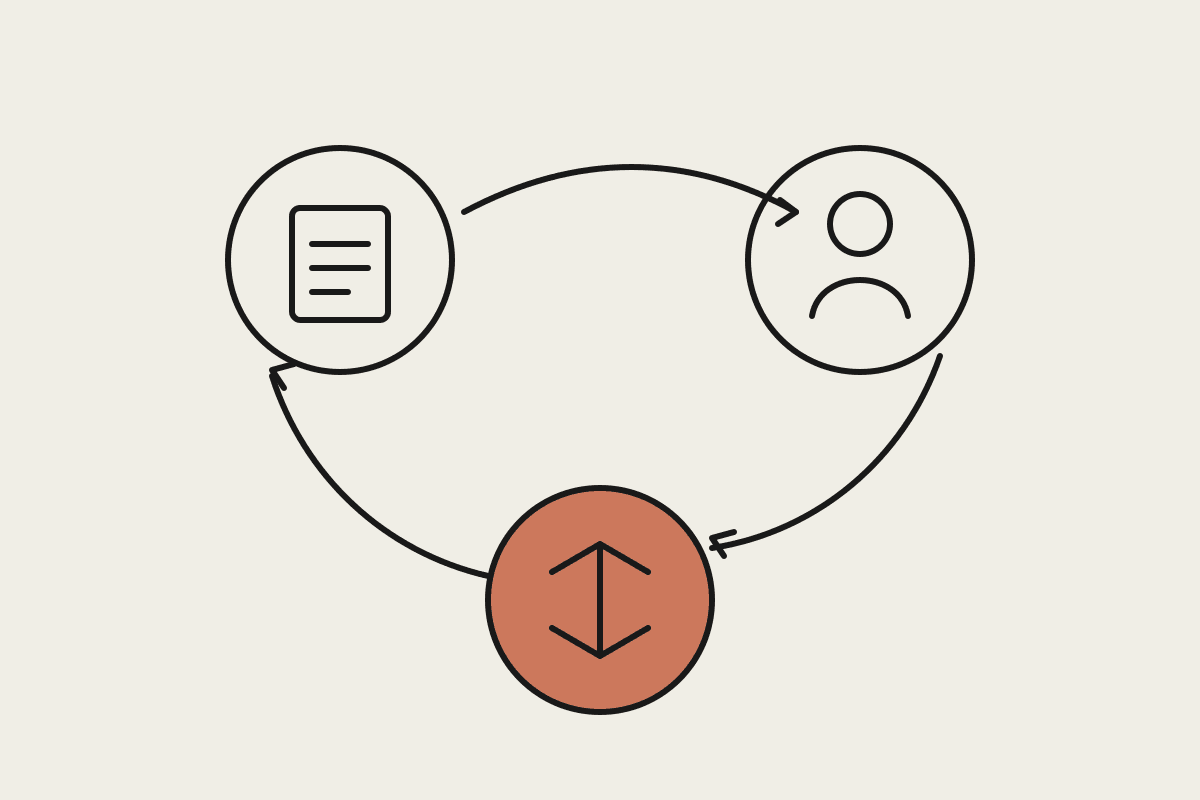
Claude is not a replacement for Hubdoc, and it does not log into supplier portals. It works on the layer above: the communication, the categorisation and the exceptions. Think of Hubdoc as the collection engine and Claude as the assistant managing the queue around it.
The distinction matters because it keeps each tool doing what it is good at. Hubdoc is reliable at pulling a PDF from a supplier and reading the numbers off it. Claude is strong at language, pattern-spotting and the judgement calls that a rigid rule would get wrong. Pairing the two gives you collection and follow-through without asking a person to sit in the middle of both.
Drafting the chase, minus the chasing
Give Claude a list of clients with outstanding documents and a short history of what is missing, and it will write the follow-ups for you. Not one template blasted to everyone, but a message tuned to each client: gentle for the one who is usually prompt, firmer for the repeat offender, with the specific missing items named so the client knows exactly what to send. A bookkeeper reviews the batch, adjusts anything that needs a human touch, and sends. Fifty reminders that used to take an afternoon take fifteen minutes.
Turning captured data into decisions
Once Hubdoc has read a document, Claude can help make sense of what came back. It can flag a supplier invoice that looks like a duplicate, spot a GST amount that does not reconcile with the total, or condense a month of captured bills into a short note for the client. This is the review step that usually eats a senior bookkeeper's attention, handled as a first pass so the human focuses only on the genuine exceptions.
A practical setup for an Australian practice
You do not need to rebuild your workflow to start. Most firms get value from a narrow first use and expand from there:
Export the outstanding-documents list from Hubdoc or your practice management tool at the start of each week
Ask Claude to group clients by how overdue they are and how reliable they usually run
Have it draft a reminder for each group, naming the exact documents still outstanding
Review, send, and log which clients needed a second nudge so next month's tone is informed
At month end, ask Claude to review capture rates so you can see which clients cost the most to service
The point of starting narrow is that you learn what the tone should be before you scale it. A reminder that lands well for a busy cafe owner reads differently to one going to a property developer, and the only way to get that right is to run it a few times and adjust.
A Sydney firm running this loop across eighty clients might spend $2,400 a year on Claude and recover several thousand dollars of billable time in the first quarter. The maths is not complicated, and it does not depend on a large upfront project.
What to watch
Two things matter for an Australian practice. First, client financial records are personal information under the Privacy Act, so keep the data you hand to any AI tool to the minimum the task needs. Claude does not train on business data sent through its API, but your own handling policy still applies. Second, keep a person in the loop on anything that reaches a client. Claude drafts well, but the bookkeeper who knows the relationship should always be the one to press send.
Document collection will never be glamorous, but it does not have to swallow a week every quarter. If you want to map where an assistant like Claude fits in your practice, book a short call and we will walk through it with your actual workflow.