Anthropic has introduced the Claude apps gateway for Amazon Bedrock and Google Cloud. In plain terms, it lets your team run and reach Claude apps through the AWS or Google Cloud environment you already operate, rather than only through Anthropic directly. For an Australian business that has spent years putting its identity, billing, and data controls inside one cloud, that is a more useful change than it first sounds.
What the gateway actually does
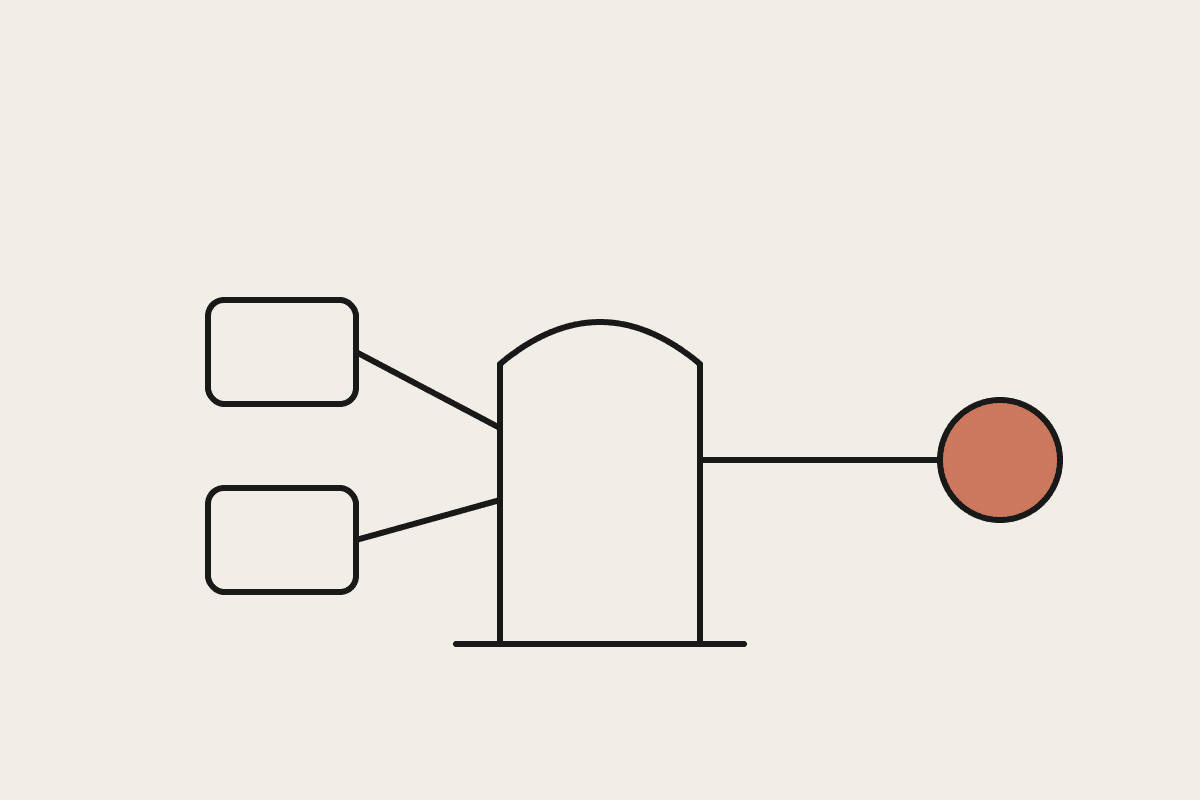
The gateway routes Claude apps through your existing Bedrock or Google Cloud, on Vertex, account. The practical effect is that Claude sits inside the boundary your team already manages. The account, the logging, the billing, and the access controls are the ones you set up long ago, not a separate vendor relationship bolted on the side. Claude remains the only frontier model available across all three major clouds, AWS, Google Cloud, and Microsoft, so this extends a pattern rather than starting a new one.
What it does not do is change the model or the work of using it well. It changes where Claude runs and who controls the surrounding plumbing, which for a regulated or security-conscious Australian buyer is often the whole question.
Why this matters for Australian teams
The first questions an Australian buyer asks about any AI tool are about data and governance. Where does the data go, who can see it, and can we prove it stayed onshore. Running Claude through your own cloud account is a clean answer to a lot of that:
Identity stays put. Access runs through the same single sign-on and roles your team already uses, so there is no separate set of logins to govern.
Billing stays consolidated. Claude usage lands on the cloud invoice you already reconcile, which matters for teams with a committed spend agreement to draw down.
Logging and controls stay yours. Your existing monitoring, data controls, and audit trail cover Claude too, rather than living in someone else's console.
For a team already spending $5,000 to $50,000 a month on AWS or Google Cloud, keeping Claude inside that account is the difference between one governed environment and two.
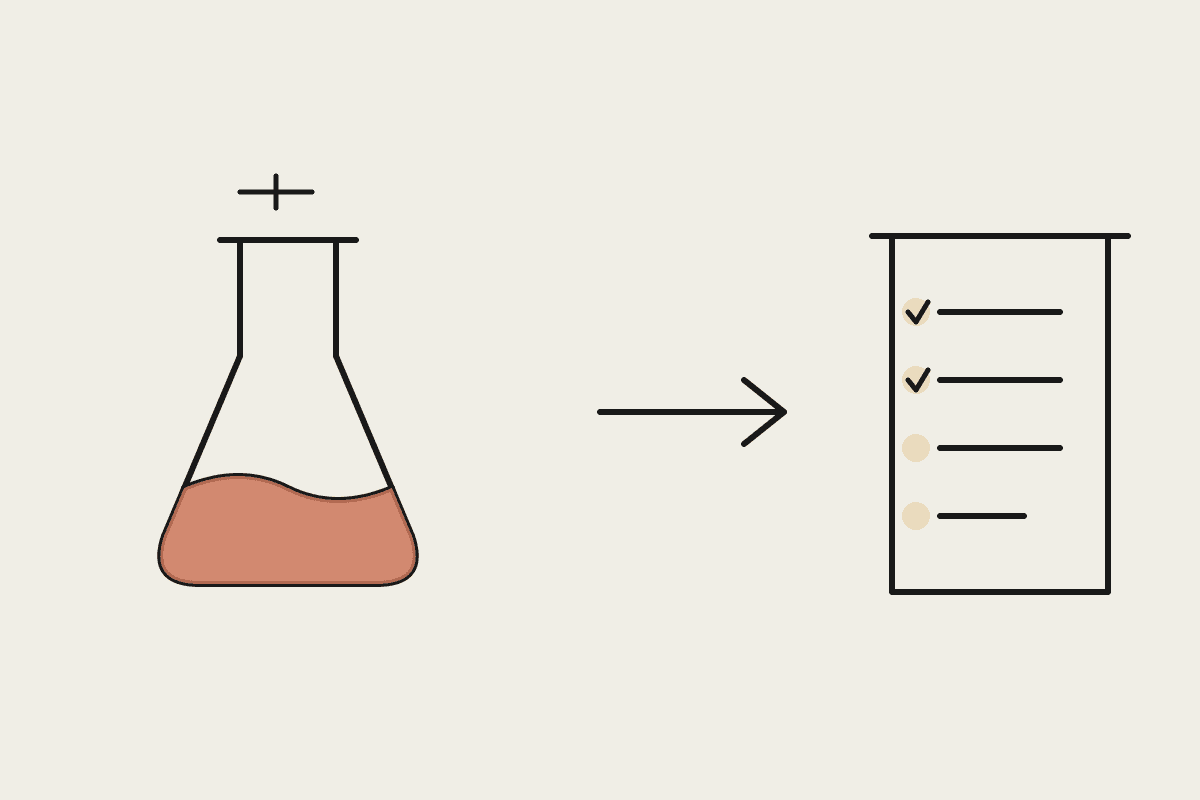
A decision checklist before you adopt it
The gateway is a good fit for some teams and unnecessary for others. Before you move, work through a short list:
Do you already run a meaningful workload on Bedrock or Google Cloud, with identity and governance set up the way you want it?
Do your data or procurement rules favour keeping AI inside an existing cloud boundary rather than a direct vendor account?
Do you have a committed cloud spend agreement that Claude usage could sensibly draw against?
Is your team comfortable managing model access through cloud-native tooling rather than Anthropic's own console?
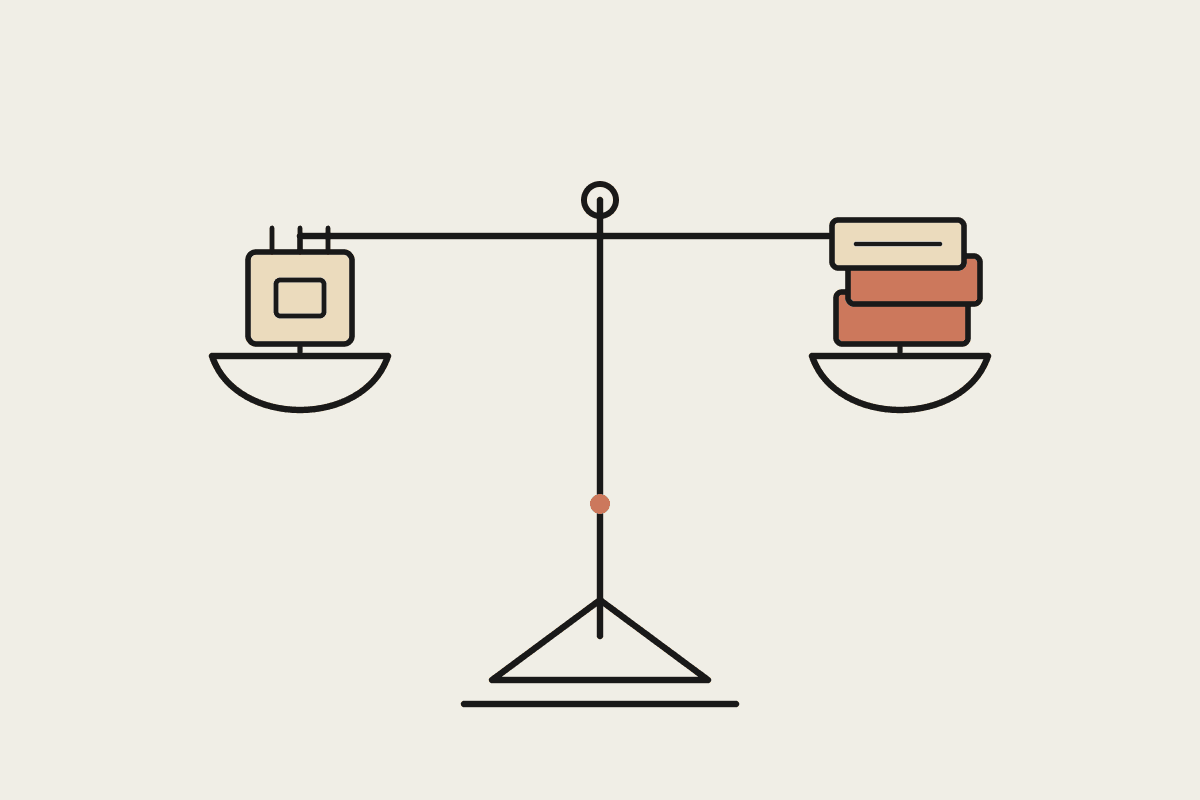
If most of those are yes, the gateway likely simplifies your life. If you are a small team with no existing cloud footprint, going direct through Anthropic is simpler and the gateway adds a layer you do not need.
How it sits next to the other routes
The gateway is one of several ways to reach Claude, and the right one depends on where your stack already lives. Teams on AWS or Google Cloud get the gateway. Teams on Microsoft can reach Claude through Microsoft Foundry. Teams with no strong cloud preference can use the Claude API directly. The model is the same across all of them, so the choice is about governance and billing, not capability.
Confirm the specifics before you build
One caution worth stating plainly. Set-up steps, the exact list of supported regions, and which Claude apps are covered sit in Anthropic's own documentation and will move over time. Confirm the current detail against the official source before you design a deployment around it, rather than treating a summary like this one as the configuration guide. A Sydney or Melbourne team can save itself a rework by checking the live region list against its data-residency requirement first.
The short version is that the gateway is plumbing, and good plumbing is invisible. It does not make Claude smarter or cheaper per token. What it does is let a team that has already invested in AWS or Google Cloud treat Claude like any other service inside that account, with the same identity, the same invoice, and the same audit trail. For an Australian business that has to answer a procurement questionnaire or a data-residency clause, that sameness is worth real money and real time. If you have no cloud footprint to fold Claude into, skip it. If you do, it is one of the easier wins on offer this year.
Want help deciding whether the gateway fits your AWS or Google Cloud setup? Book a free brainstorm with us.