Self-managed super fund administration runs on a punishing calendar. Contribution caps, pension minimums, in-specie transfers, and the annual audit all land at fixed points, and the work of pulling numbers into a report has barely changed in a decade. If your practice runs on Class Super, you already have the ledger, the data feeds, and the compliance engine. What most SMSF teams are missing is a way to handle the writing, checking, and chasing that sits around that engine. That is the gap Claude fills.
This guide is written for Australian SMSF administrators, accountants, and the bookkeepers who prepare fund files before they reach a partner or auditor. Claude is the assistant doing the reading and drafting; Class Super stays the system of record. We are not suggesting you feed member data into a chatbot and hope. We are describing a workflow where Claude works from exports and documents you control, inside boundaries you set.
Where the manual hours actually go
A typical fund file is not hard because the maths is hard. Class Super does the maths. It is hard because the work is scattered: a bank statement that will not reconcile, a contribution that needs splitting across two members, a pension payment that fell short of the minimum, a related-party loan that needs a written explanation for the auditor. Each of these is a small research-and-writing task, and a firm running 300 funds does hundreds of them a year.
When we map an SMSF practice, the same time sinks show up again and again:
Writing the plain-English notes that explain unusual transactions to the auditor, one fund at a time.
Drafting member letters and pension review emails from a template that never quite fits the case.
Cross-checking contribution totals against the caps and flagging anyone close to a breach.
Reading a lease, a loan agreement, or a bare trust deed to confirm it matches what the ledger says.
Summarising a fund's year into a one-page trustee report that a non-accountant can follow.
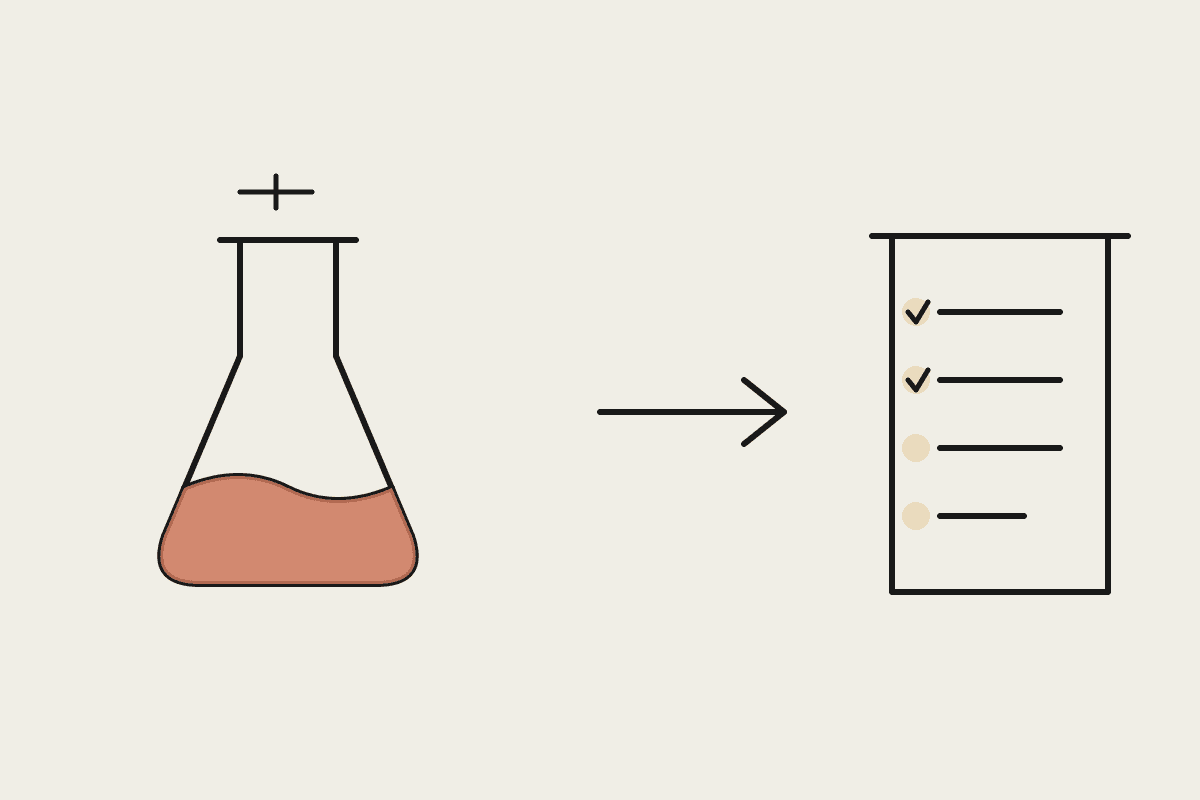
None of these need a person to key numbers. They need a person to read carefully, apply the rules, and write clearly. That is exactly the shape of work Claude is good at.
A workflow that keeps Class Super as the source of truth
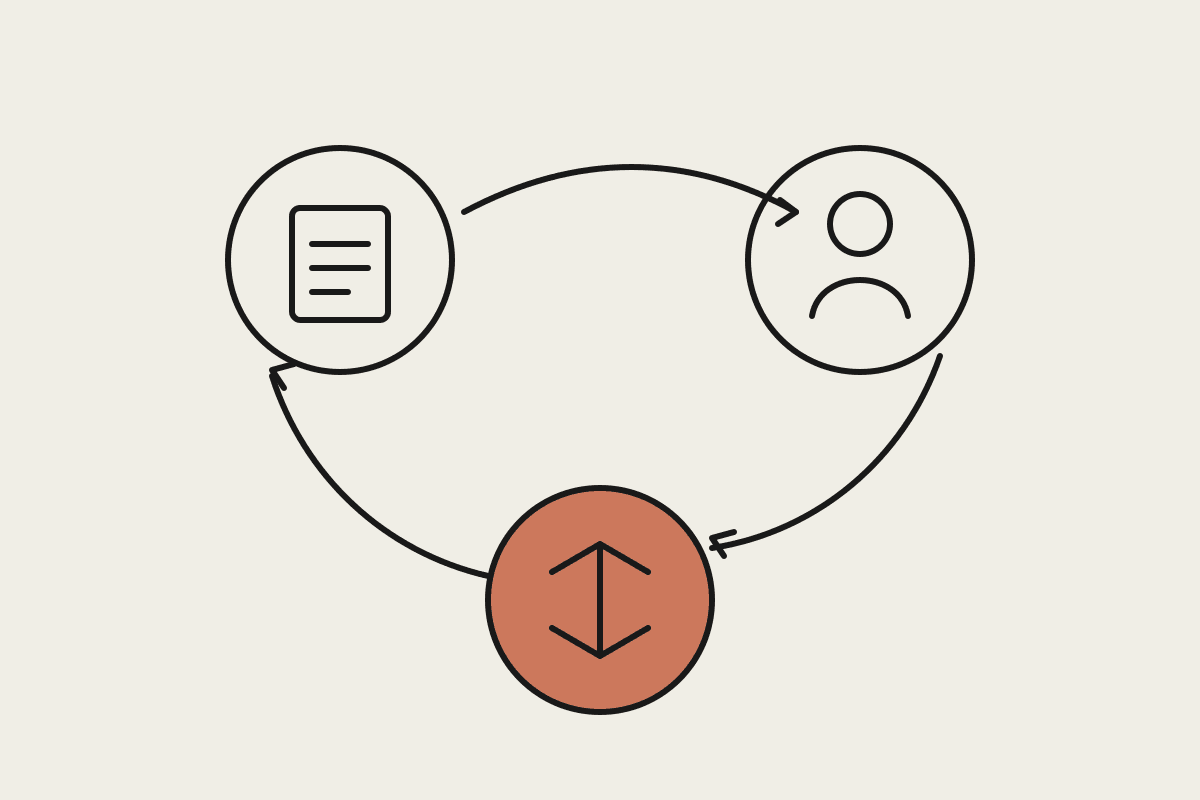
The pattern we use with Australian firms keeps a clean line between the ledger and the assistant. Class Super holds the data. You export what a given task needs, hand it to Claude, and Claude produces a draft that a qualified person reviews before anything goes to a member, trustee, or auditor. Claude never writes back to the fund.
In practice the loop looks like this. You pull the trial balance, the transaction listing, and the relevant documents from Class Super as a PDF or CSV. You give Claude the fund's context and the specific job, for example: check these contributions against the 2026 caps and draft the auditor note for anything over the concessional limit. Claude reads the file, does the comparison, and returns a draft with the figures cited. You check it against the ledger and either accept it or send it back with a correction.
Because the assistant works from your exports, you decide what it sees. A fund with a sensitive member situation can be handled with figures only and no names. A straightforward fund can be handed over whole. The control sits with the administrator, not the tool.
A worked example: the year-end auditor pack
Take the most repetitive job in the calendar. At year end, every fund needs a set of notes that explain to the auditor why the ledger looks the way it does. A firm doing this by hand might spend 30 to 45 minutes per fund writing those notes. Across 300 funds that is roughly 175 hours, or the better part of a full month of one person's time.
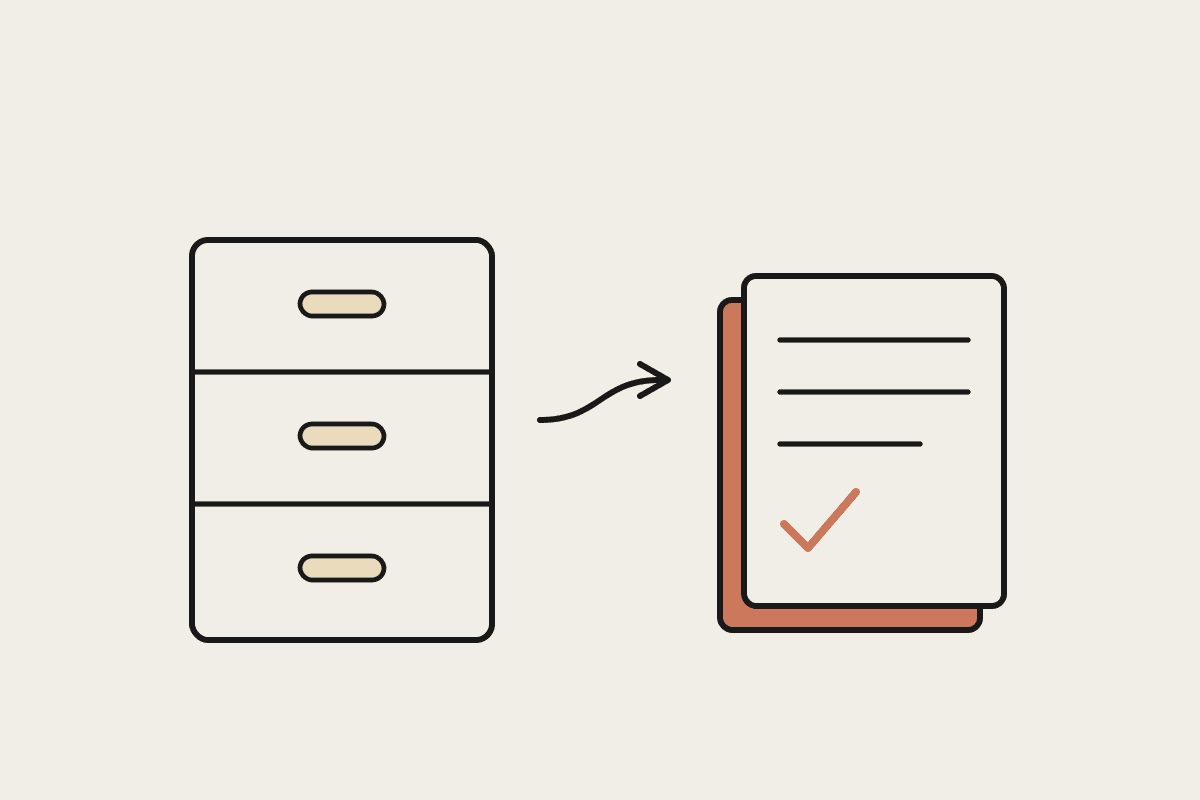
With Claude in the loop, the administrator exports the fund's transaction listing and supporting documents, and asks Claude to draft the standard auditor notes: the reconciliation explanation, the market valuation basis for each asset, the pension minimum check, and any related-party dealings. Claude returns a structured draft in a few minutes. The administrator reviews and corrects, which takes far less time than writing from scratch. If the review-and-fix cycle averages ten minutes per fund, the same 300 funds take about 50 hours. That is roughly 125 hours saved across the season, and at a loaded cost of $75 an hour that is around $9,000 of capacity returned to the practice each year.
The saving is real, but the point is not only the dollars. It is that the tedious first draft stops being the bottleneck, so senior staff spend their time on judgement calls rather than typing.
The compliance guardrails that matter in Australia
SMSF work carries obligations that do not disappear because an assistant helped draft a document. A few principles keep the workflow safe under Australian conditions.
A qualified person signs off. Claude drafts; an accountant, SMSF auditor, or approved adviser reviews and takes responsibility. The output is a starting point, not a lodged document.
Member data stays within your control. Decide per fund what leaves Class Super. Australian privacy obligations and your own engagement terms still apply to every export.
Figures are checked against the ledger. Treat any number Claude repeats as a claim to verify against Class Super, not as gospel. The ledger is the source of truth, always.
Advice stays with the licensed adviser. Claude can explain a rule and draft a note, but it does not give financial product advice. That line belongs to your AFSL holder.
These are not reasons to avoid the tool. They are the same controls a good practice already applies to a graduate accountant's first draft. Claude is faster and more consistent than a graduate on the reading-and-drafting parts, and it never gets tired at midnight in July.
Getting started without disrupting the season
The safest way to bring Claude into an SMSF practice is to pick one narrow, high-volume task and run it in parallel with your current process for a fortnight. The auditor note is a good candidate because the format is stable and the review is quick. Draft with Claude, compare against what your team would have written, and measure the time difference on real funds before you commit.
Once one workflow proves out, the same pattern extends to pension reviews, contribution cap checks, trustee summaries, and member correspondence. Each one follows the export, draft, review loop, and each one keeps Class Super as the system of record. A firm that adopts three or four of these can hand a meaningful slice of the compliance season back to its senior people without hiring.
If you run an SMSF book on Class Super and want to see where Claude fits your specific process, we help Australian accounting and administration firms design these workflows and set the guardrails. You can book a short session to map your highest-volume task and estimate the saving on your own numbers.
Book a workflow brainstorm at our contact page and bring one report you write every week. That is usually the fastest way to see the difference.