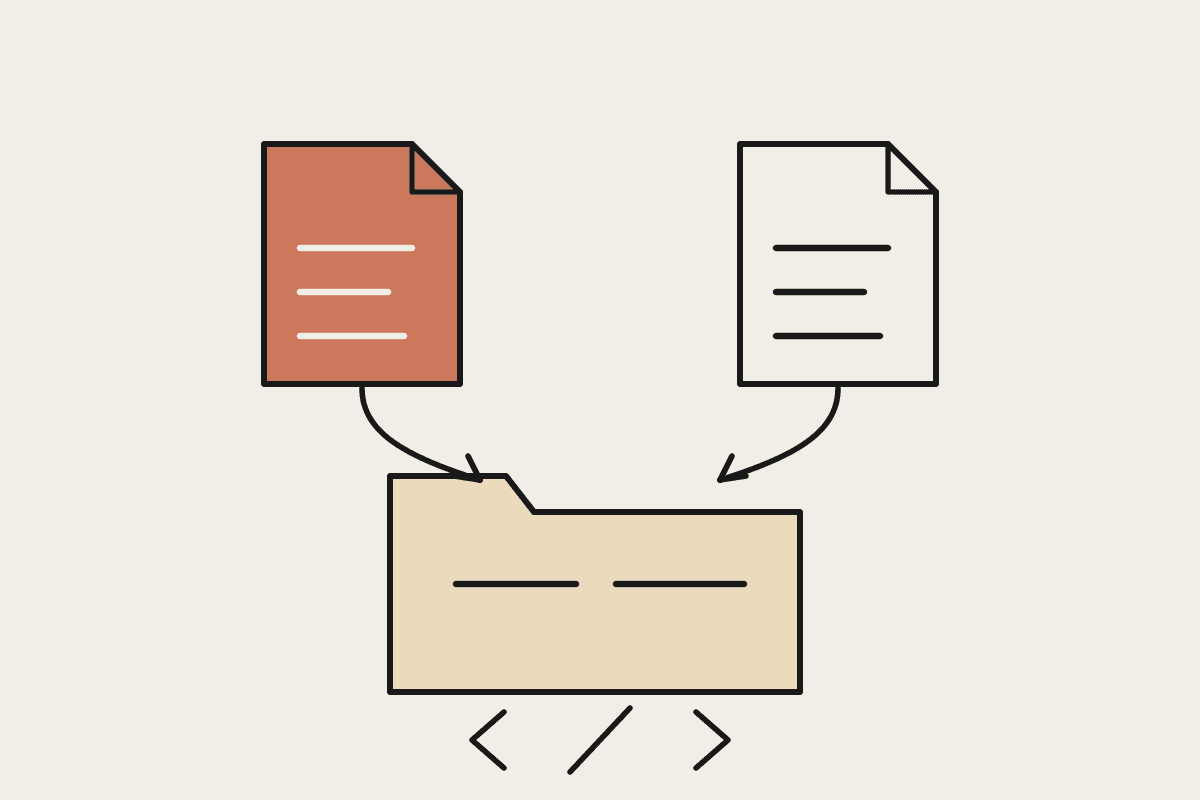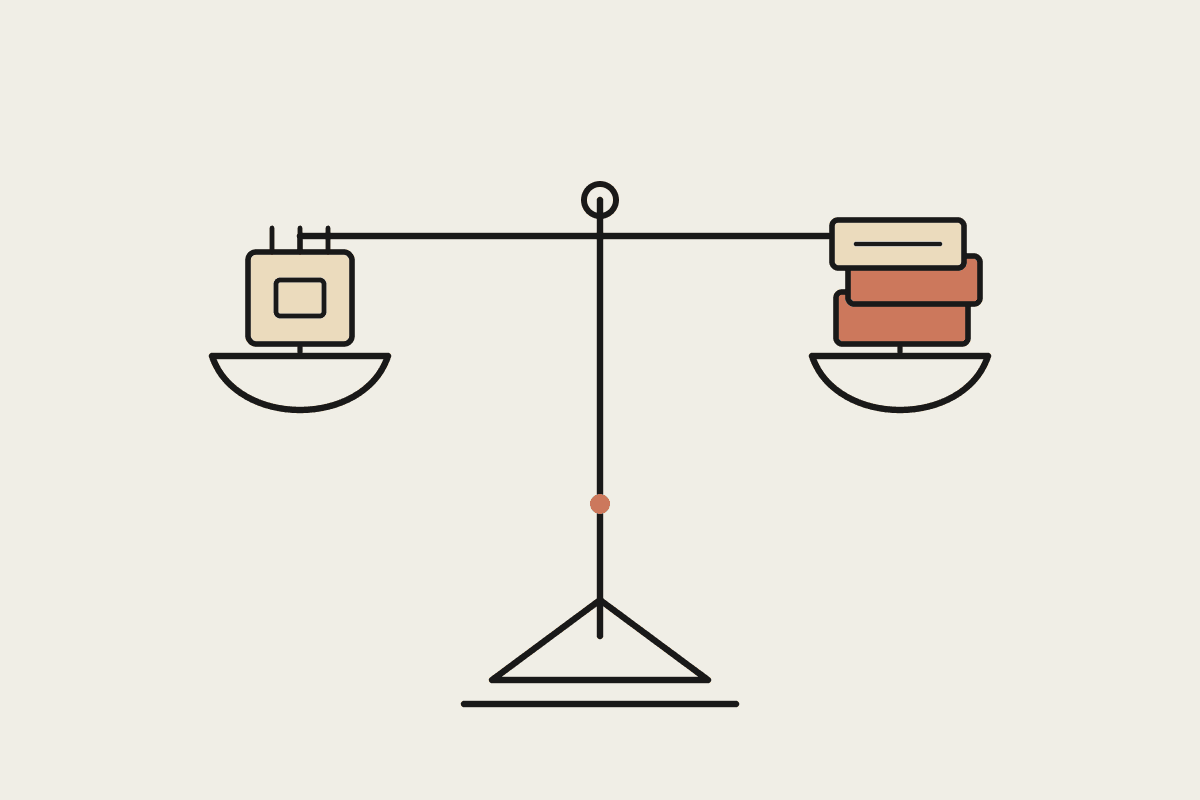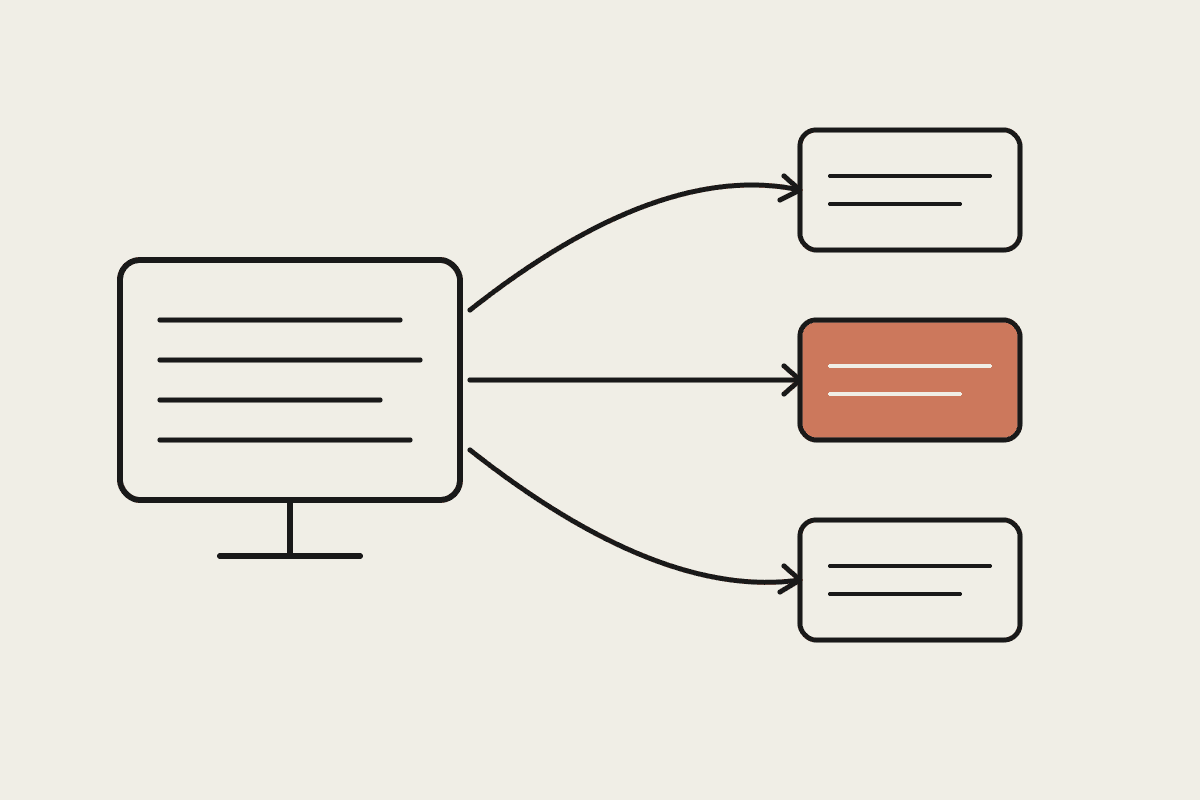
Andrej Karpathy reportedly drew a sharp line at a recent Sequoia Ascent fireside, in remarks that have circulated through developer communities rather than an official transcript. The distinction, as community members have recounted it, is between two things that often get treated as the same: vibe coding and agentic engineering. One raises the floor. The other raises the ceiling. For Australian businesses deciding how to build with Claude, the difference is not academic. It changes who you hire, how you scope work, and how much rework you end up paying for later.
The difference between raising the floor and raising the ceiling
Vibe coding is the part most people have already felt. You describe what you want, Claude writes it, and something runs. The floor rises because anyone can now ship working software without years of training. That is genuinely useful for prototypes, internal scripts, and personal tools where the cost of a mistake is an afternoon.
Agentic engineering, as the talk reportedly framed it, is the harder discipline of holding quality steady while moving fast. It means writing specifications an agent can execute against, reviewing the diffs it produces, designing feedback loops, and keeping the model from quietly going off the rails. The ceiling rises because a skilled operator can direct several agents at once and still own the result. The reported speedup from doing this well is said to be well past the usual ten-times figure, though that number is community-reported and is better read as illustrative than measured.
Where each mode actually belongs
The two modes are not rivals. They suit different jobs, and most teams need both. A sensible split looks like this:
Vibe coding fits prototypes, throwaway scripts, proofs of concept, and personal productivity tools where a defect costs you an afternoon, not a customer.
Agentic engineering fits anything customer-facing, anything touching money or personal data, and anything that has to keep running after you stop looking at it.
The expensive mistake is using vibe coding where agentic engineering is required, then discovering the gap once it is already in production.
That last point is where the cost lives. A Sydney business that treats a payments integration like a weekend prototype is not saving time. It is deferring a bill, with interest.
The defect that proves the point
The reported illustration from the talk is worth sitting with. An agent was asked to match Stripe purchases to Google accounts and did so by matching on email address. The code looked plausible and passed a casual read. The system design was broken, because a person's Stripe email and Google email can differ, so a share of customers would silently fail to match. This example is community-reported, and it stands in for a whole class of defect.
This is the failure mode vibe coding cannot catch on its own. The code compiles, the demo works, and the flaw only surfaces when real data hits it. Catching it needs a human who still owns the specification and the boundaries. Put a rough number on it: a broken system-design defect that reaches production in an Australian SMB can easily run past $10,000 once you add incident response, refunds, support time, and rework. The hour of spec review that would have caught it costs perhaps $300. For regulated work under APRA or the Privacy Act, the gap is wider again, because a data-matching error becomes a compliance problem rather than just a bug.
What agentic engineering looks like with Claude Code
In practice, the discipline is not exotic. It is a small set of habits applied consistently:
Spec first. Plan the change in plain language before prompting, so the agent has a target to execute against and you have something concrete to check the result against.
Diff review as non-negotiable. Read what Claude Code actually changed, every time, with the same attention you would give a junior engineer's pull request.
Eval loops for anything customer-facing. Build a test harness the agent runs against, so quality is verified by machinery rather than by hope.
Know when the model is in-domain. Claude is strong on common patterns and weaker on your specific edge cases, so the judgment of where it is guessing stays with you.
None of this slows a capable team down in any way that matters. It is the difference between a four-thousand-line tool a single non-engineer can ship and trust, and a four-thousand-line tool that quietly corrupts data for six weeks before anyone notices.
The question to put to any AU AI vendor
If you are paying an Australian firm to build with Claude, one question separates the two modes cleanly: which one are you operating in? Ask how they write specs, how they review generated code, and what their eval loop looks like for anything that touches your customers. A vendor running pure vibe coding on production systems is selling you speed and quietly handing you the risk. A vendor practising agentic engineering is selling you the speed and keeping the quality with it.
At Automata AI we build with Claude Code the second way: spec first, diffs reviewed, evals on anything customer-facing. If you want to scope a build that moves fast without leaving a mess behind, book a brainstorm with us.