Most coding agents are growing outward. Claude Code, Codex, and OpenCode have converged on a similar shape: plenty of built-in tools, MCP support, sub-agents, and dynamic workflows that keep expanding what the agent can reach. Pi agent, an open-source coding agent runtime that has been circulating in builder communities this week, moves in the opposite direction. It ships with almost nothing and asks you to add only what the job needs. That contrast is a useful lesson for anyone running Claude Code on real work, because it puts a spotlight on the one resource every agent quietly spends: context. Get the context budget right and everything downstream, from speed to cost to reliability, tends to improve with it.
What Pi does differently
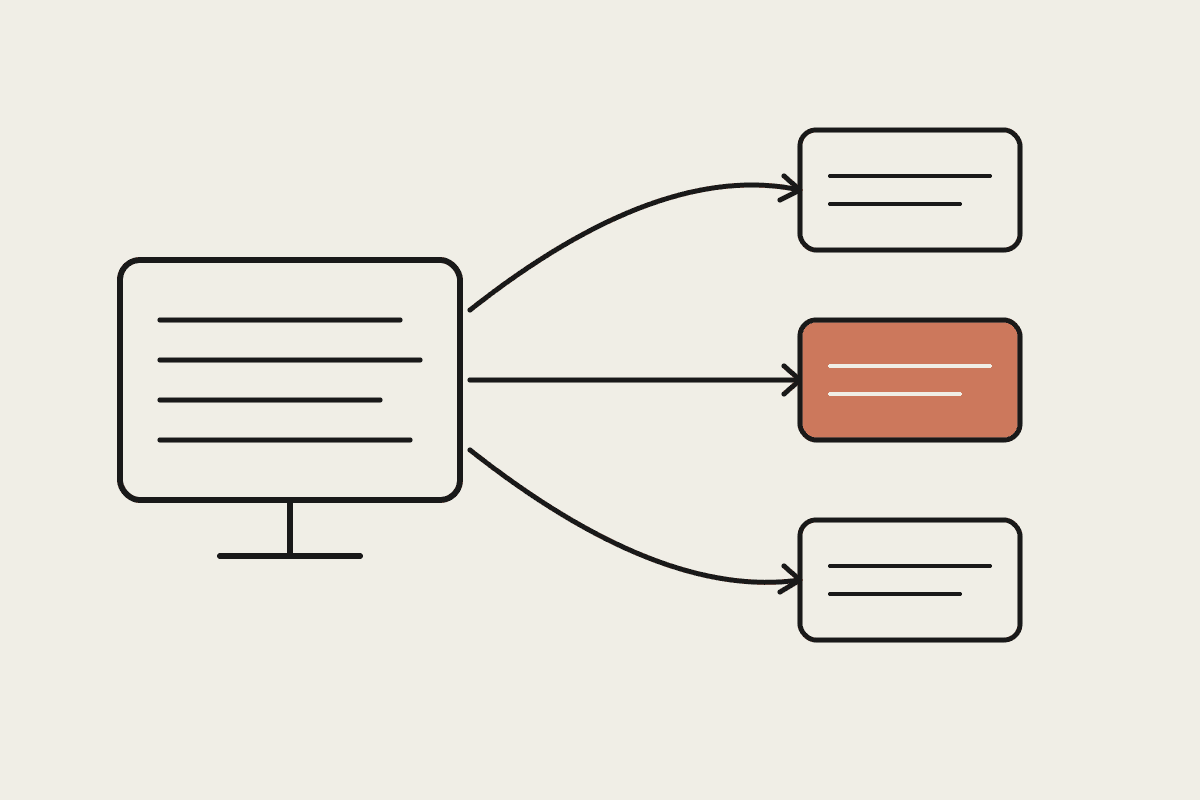
Pi starts with four tools and stops there: bash, write, read, and edit. There is no MCP layer, no sub-agent system, and no dynamic workflow engine in the default install. Anything past those four tools is an extension you opt into, which keeps the starting footprint small and predictable. Instead of reasoning about a large catalogue of capabilities from the first token, the agent begins with a tight core and grows only where the work demands it.
The extension model is where it gets interesting:
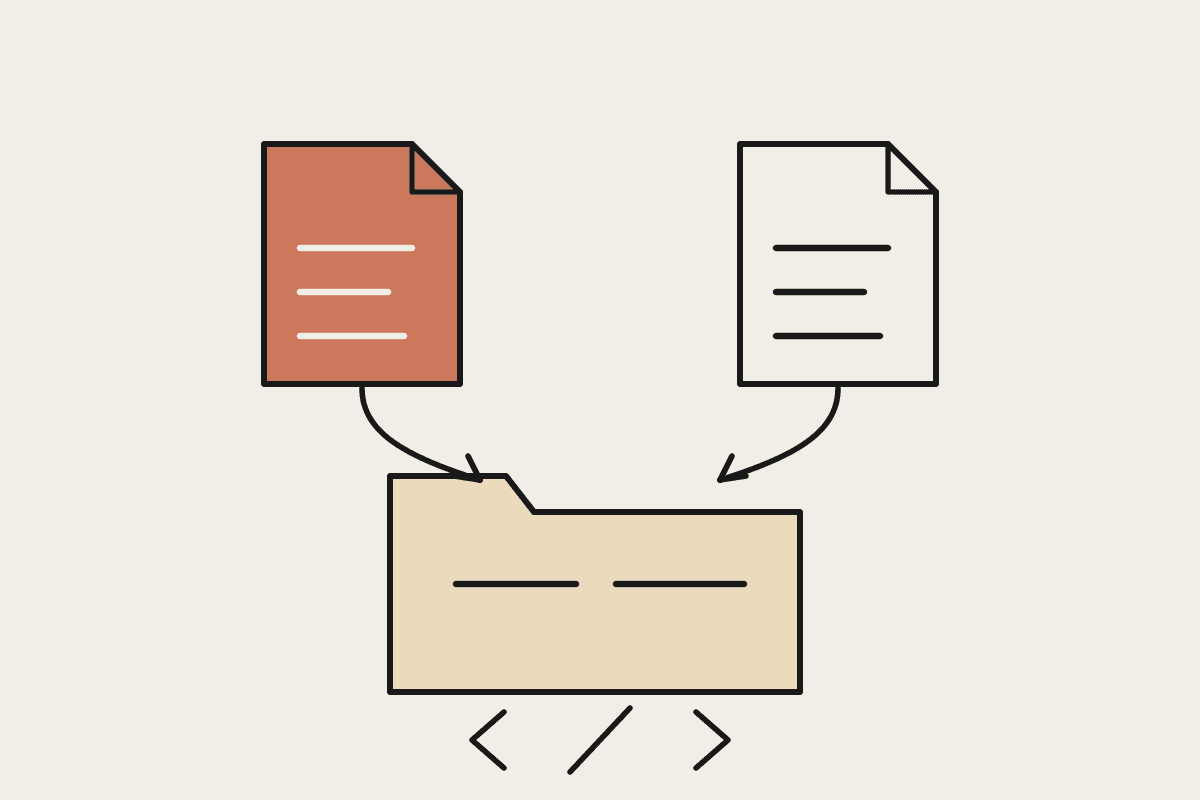
Extensions are TypeScript files dropped into a .pi/extensions/ folder, with hooks for tool input and output, session start, provider requests, UI widgets, and session management.
The agent can write and reload its own extensions mid-session, so the harness adapts to the task in front of it instead of shipping every capability up front.
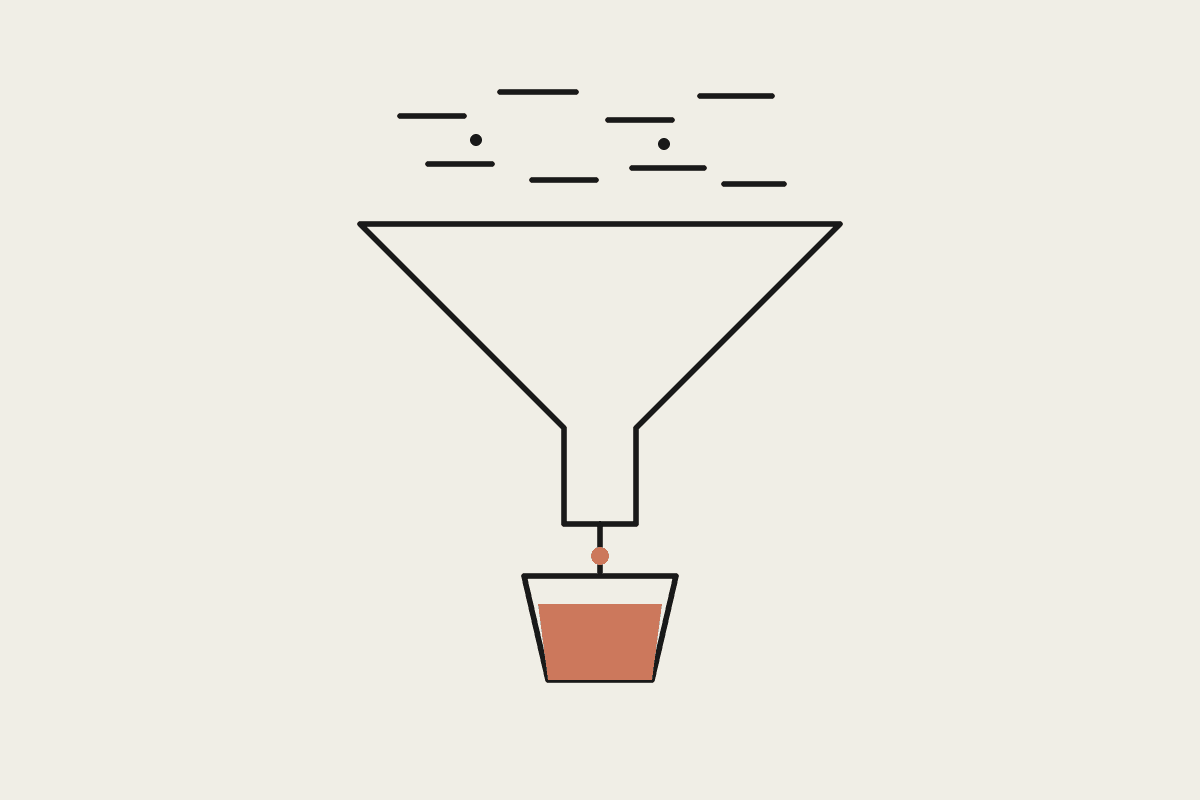
One package intercepts bash output before it reaches the context window, with community-reported token reductions of roughly 80 to 90 per cent on noisy commands.
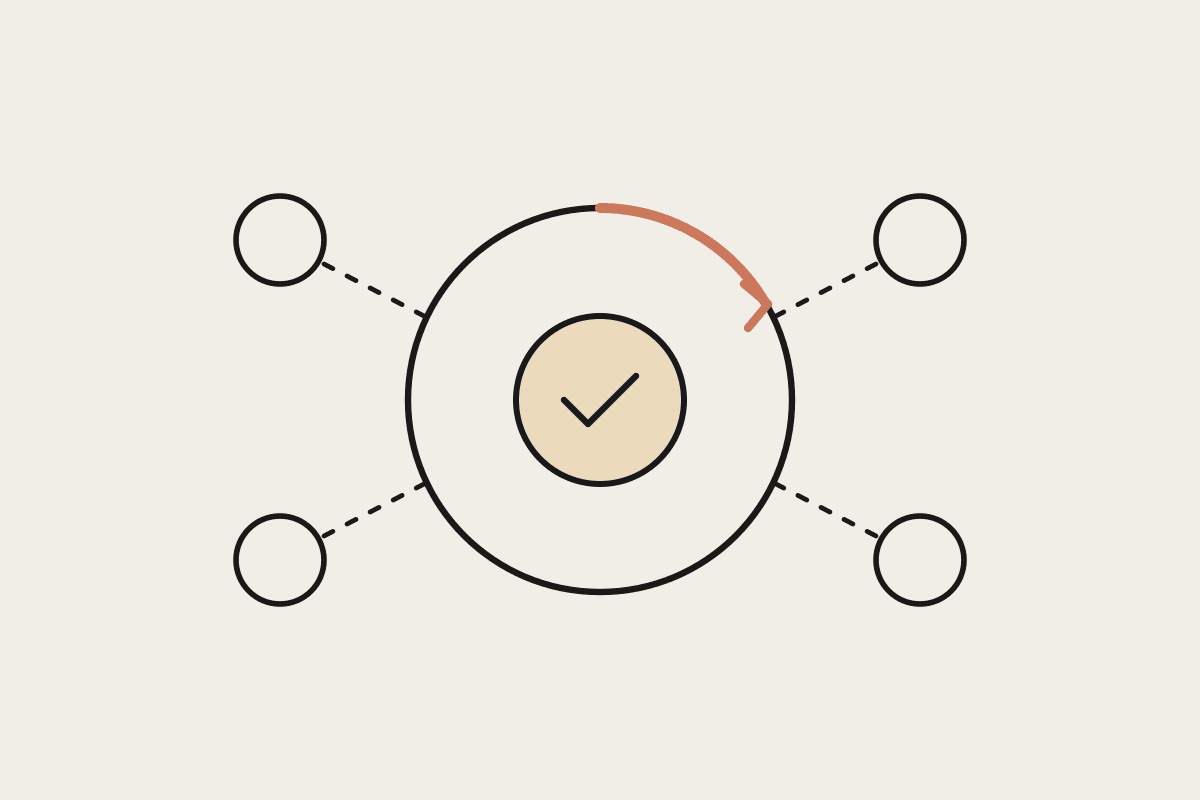
A permission-gating extension uses Claude Haiku to allow or block each request against a written policy file before anything executes.
Community demos also included a weather widget the agent built live in under a minute and a multi-tenant tool registry with token-based access control.
Those numbers come from community demonstrations rather than a controlled benchmark, so read them as directional rather than precise. The design ideas underneath them are what carry across to Claude Code, and none of them require you to switch runtimes to benefit.
Context is a budget
Raw tool output flooding the context window is one of the biggest silent costs in agent work. A single noisy install step or a verbose test run can dump thousands of tokens into context that the model never needed to read in full. Those tokens are not free: they cost money on every call that carries them forward, they push more useful information out of the window, and they slow the agent down as it re-reads noise it cannot use. Claude Code already softens this with output truncation and skills, but the principle is broader than any one tool. Filter or summarise tool output before it lands in context, and you pay for signal instead of noise. Pi's bash-interceptor extension is a sharp version of the same idea, and the thinking applies to any agent you run.
Small, cheap models make good policy layers
Running Claude Haiku as a permission gate, deciding allow or block against a written policy before an action runs, is a pattern worth copying. It is fast, it costs cents per check, and it puts a control point between the agent and your infrastructure. For an Australian business that is a governance lever, not just an optimisation. If an agent can touch production systems, customer records, or payment flows, a cheap model checking each action against a policy file gives you an auditable gate that maps neatly onto Privacy Act obligations and, for regulated firms in Sydney and Melbourne, APRA and AUSTRAC expectations around access control. The gate is also readable by a human: the policy file is plain text, so a reviewer can see exactly what the agent is allowed to do.
The economics reinforce the point. A small Australian engineering team running agents across a handful of developers can spend several thousand dollars a month on API calls billed in USD. If most of that spend is noisy tool output nobody reads, trimming context aggressively could reasonably claw back on the order of A$45,000 a year at scale before anyone touches a plan tier. Treat that figure as an illustration rather than a quote, but the direction is real: wasted context is wasted money, and it compounds as your usage grows.
Trim before you scale
Every tool you hand an agent costs tokens and adds decision surface. A default toolset of forty capabilities means forty things the model weighs on every step, most of them irrelevant to the task at hand. Pi's minimal-by-default stance is a reminder to audit what your agent actually uses and remove the rest. You do not need to abandon Claude Code's richer harness to apply this. Start by watching where your tokens go, cut the noisiest tool output, add a cheap policy layer on anything that touches real systems, and only then reach for a bigger plan. The order matters: most teams pay for scale before they have earned it by cleaning up context first.
If you are running Claude Code or building agents on real systems and want to tighten your context budget before scaling up, Automata AI can help.