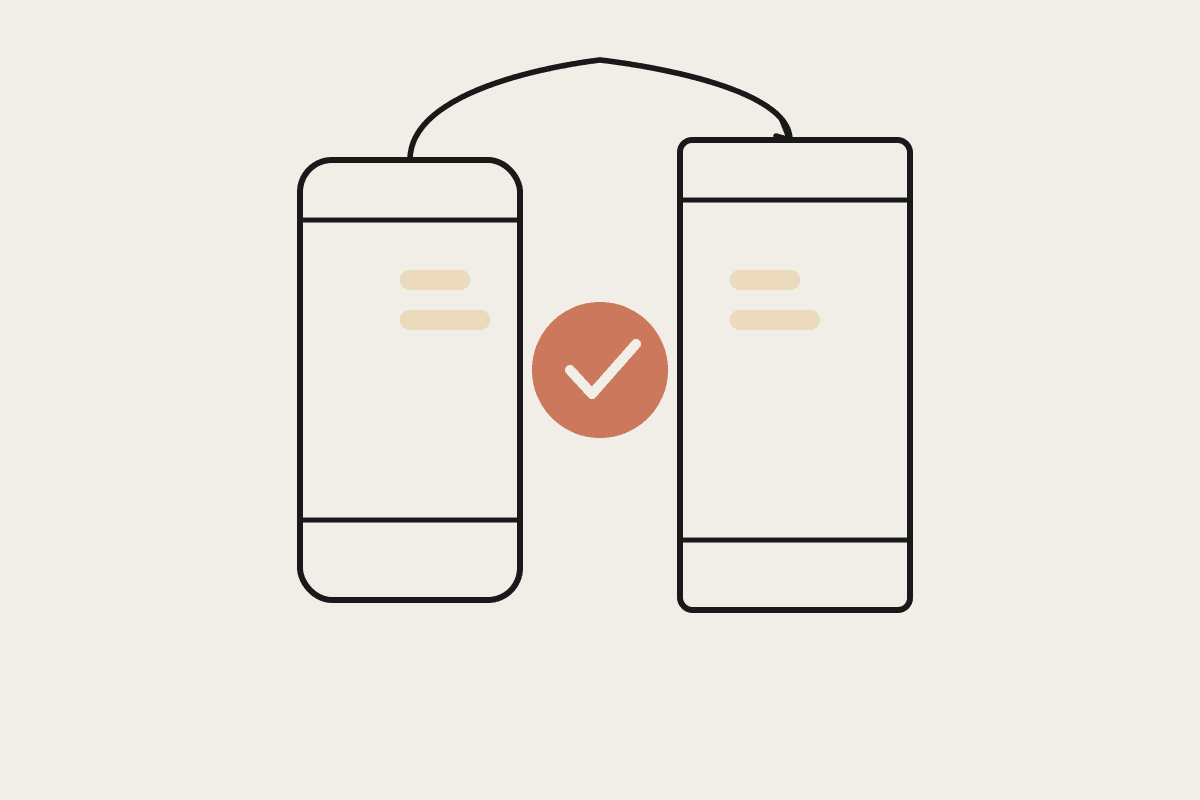
Most Australian software teams write for one platform first and port the rest later. Mobile teams don't get that luxury. A single feature needs a Swift implementation for iOS, a Kotlin implementation for Android, matching API contracts, and two separate app store review queues before anything reaches a user. Claude Code fits into that split reality without asking the team to pick a side: it reads both codebases, understands the platform-specific idioms in each, and does the unglamorous work of keeping two implementations honest with each other.
Where Claude Code earns its keep on a mobile sprint
The value shows up in the daily grind rather than in one dramatic use case. A Sydney fintech client running a six-person mobile team found that roughly a third of sprint time went to work that wasn't feature-building at all: writing unit tests for edge cases nobody wanted to think through twice, triaging crash logs from Crashlytics and the Play Console, and drafting release notes that had to say the same thing twice in slightly different house styles for the App Store and Google Play. None of that work is hard. All of it is tedious enough that it gets skipped under deadline pressure, which is exactly when a missed edge case turns into a one-star review.
Cross-platform parity checks: point Claude Code at the Swift and Kotlin implementations of the same feature and ask it to flag behavioural drift before QA finds it.
Crash log triage: paste a batch of Crashlytics or Play Console stack traces and get a ranked list of likely root causes with the offending file and line.
Release notes: draft App Store and Play Store release notes from a merged pull request list, matched to each store's character limits and tone.
Test coverage gaps: generate XCTest and JUnit or Espresso test skeletons for a new feature straight from its interface definition, not just the happy path.
Review across two codebases in one pass: check whether an API contract change on the backend is reflected consistently in both mobile clients.
What it costs, and what a team actually gets back
The maths is simple enough to do on the back of an envelope. A Claude Code seat runs a fixed monthly cost per developer, well under what a senior mobile engineer's fully loaded hourly rate implies for even a couple of hours saved a week. Automata AI costed this out for two Melbourne-based mobile teams this year: a four-developer team recovered roughly six hours a week of what had been manual crash triage and boilerplate test writing, worth around $45,000 a year at blended contractor rates, against a licensing cost measured in the low thousands. The bigger number is usually indirect. Fewer platform-parity bugs reaching production means fewer emergency hotfix releases, and each hotfix release through the App Store review queue costs a mobile team one to three days of calendar time it doesn't get back.
Getting Claude Code useful for a mobile codebase takes an afternoon, not a project. Point it at both repositories, or a monorepo if that's how the team is structured, give it read access to the CI logs and crash reporting dashboards it needs to reason about, and write down the two or three conventions that differ between the iOS and Android sides so it doesn't propose changes that fight the existing architecture. Most teams find the biggest early win is running a weekly parity review between the two client implementations, since that's the check that's easiest to skip and hardest to unwind once a real behavioural gap ships to production.
Data handling: keep the boundary explicit
Mobile apps handling personal data still sit under the Privacy Act 1988, and that doesn't change because an AI assistant is helping write the code. Any team using Claude Code on an app touching health, financial or location data should be clear about what Claude sees and where a data handling boundary needs to sit, particularly for Sydney and Brisbane fintech and health teams where APRA or state health record obligations layer on top of the general privacy framework. A sensible default keeps source code and crash log analysis inside the development workflow and never routes end-user personal data through the same channel. Write that boundary down once and every new mobile engineer on the team inherits it, rather than re-deriving it under deadline pressure.
If a mobile team's sprint retros keep surfacing the same platform-parity bugs or the same slow release-note grind, that's usually the signal it's worth trying Claude Code on the actual codebase rather than reading another case study about it. Automata AI runs a short paid pilot for Australian mobile teams, two weeks against a real feature, measured against the team's own crash and release metrics rather than a demo. Book a scoping call to work out what that would look like for your app.