A senior software engineer in Sydney costs around $180,000 plus super, which means a 30-minute code review carries an embedded cost near $90 before you count the reviewer's opportunity cost. Multiply that across a 12-person team and weekly review load, and the line item for review pushes into six figures fast. Claude does not remove the need for human review, but with the right scaffolding it cuts the wall-clock and lets senior engineers spend their attention where it matters: design intent, security boundaries, and the parts of the change that touch production data. The three patterns below are what we see working at Australian mid-market and scale-up engineering teams in 2026.
Pattern 1: Pre-PR Self-Review
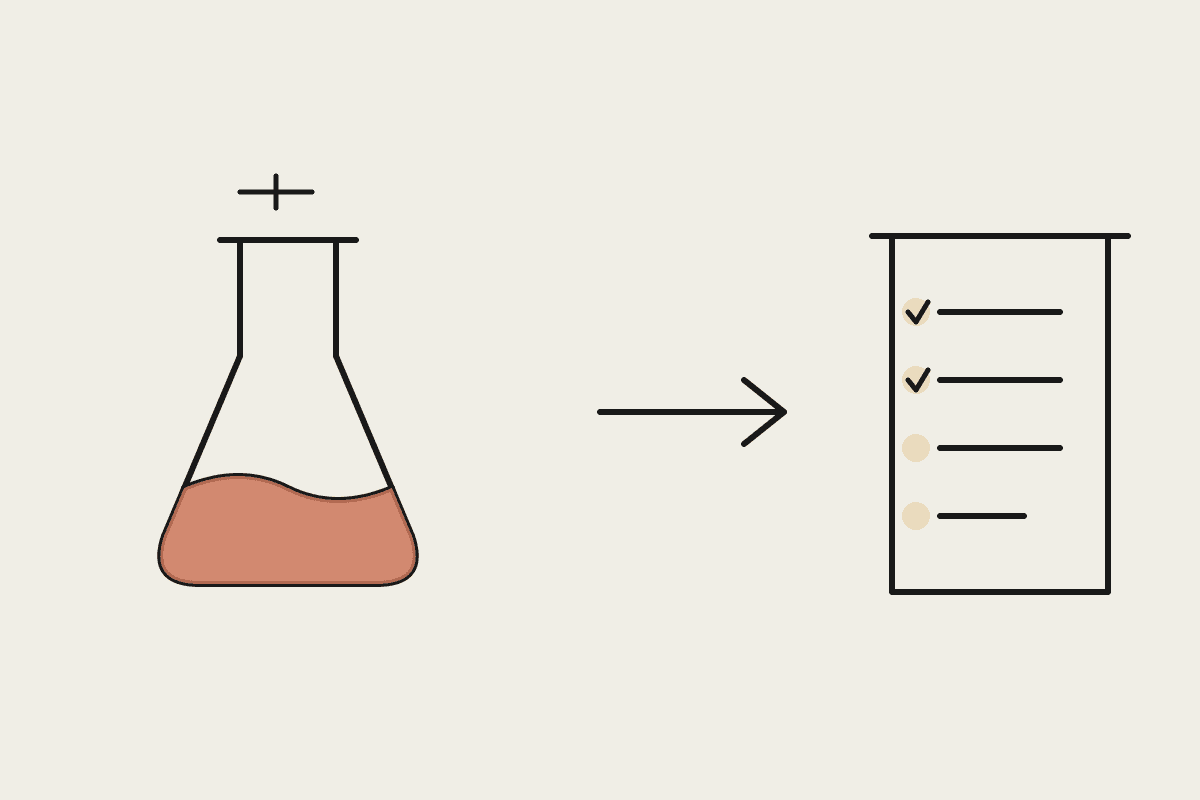
The cheapest defect to fix is one that never reaches a reviewer. Pre-PR self-review puts Claude into the author's local loop before the diff is pushed. The author runs Claude over their own branch with a prompt that asks for the kinds of issues their team's reviewers usually flag. The output never reaches another human; it just lets the author fix the obvious problems first.
Example prompt: "You are reviewing a diff I'm about to push for PR to my team. The codebase is a Django and React monorepo serving an APRA-regulated lender. Comment only on: (1) untested branches in business logic, (2) any place where user PII is logged or transmitted unencrypted, (3) any change to migrations that is not backward-compatible with the previously deployed schema. Be specific about file and line. Skip style nits."
The shape that works: scope the request narrowly to the team's actual review rubric, force file-and-line specificity, and tell Claude what to ignore. A loose prompt like "review this for bugs" produces a long list the author then discards, which trains them to discard Claude generally.
Pattern 2: In-PR Reviewer Assistance
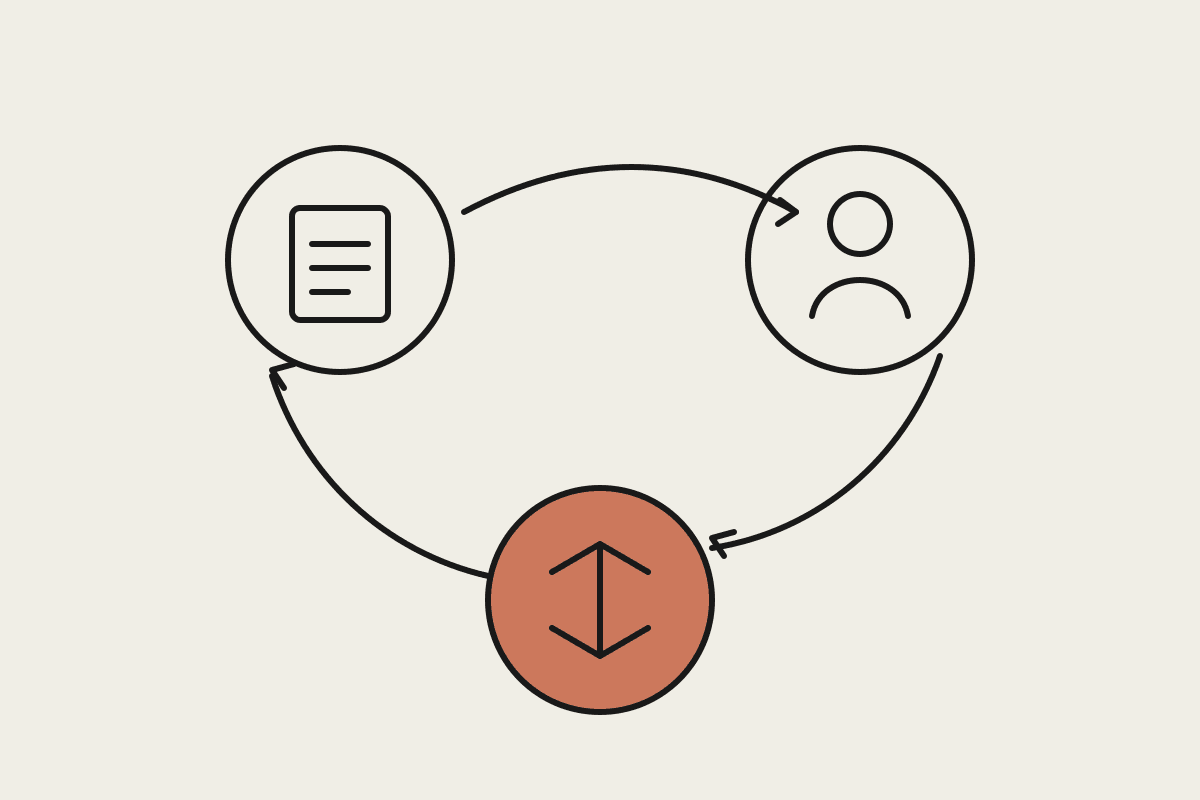
This pattern puts Claude into the reviewer's seat, not the author's. The reviewer pastes the diff into a Claude session with the project's CLAUDE.md and review guidelines in context. Claude produces a first pass that the reviewer then accepts, rejects, or rewrites before posting any comment to the PR.
The checklist we ask Claude to run against is narrow and explicit:
Tests cover the changed branches, not just the happy path.
Public API changes are documented in the right doc set, with the correct version bump.
The change does not introduce a new third-party dependency without a security note attached.
Error handling matches the project's pattern: no swallowed exceptions, no logging of secrets or tokens.
Database migrations are reversible and have been tested against the current production schema dump.
What we never ask Claude: "is this code good?" The reviewer's judgment of taste and architectural fit stays a human call. We also never let Claude post comments directly to the PR. Every comment goes through a reviewer who attaches their name to it. This matters culturally. Engineers who get a flood of bot comments on their first PR with the new tool quietly route around it within a sprint, and the rollout never recovers.
Pattern 3: Post-Merge Audit
Australian engineering teams sitting under Privacy Act 1988 obligations, the APRA CPS 234 information security standard, or sector-specific codes need an audit trail that shows code touching regulated data was actually reviewed. Post-merge audit runs Claude across the last week of merged PRs and produces a structured report flagging anything that touched defined sensitive surfaces: authentication, payment, PII handling, audit logging, third-party data transfer.
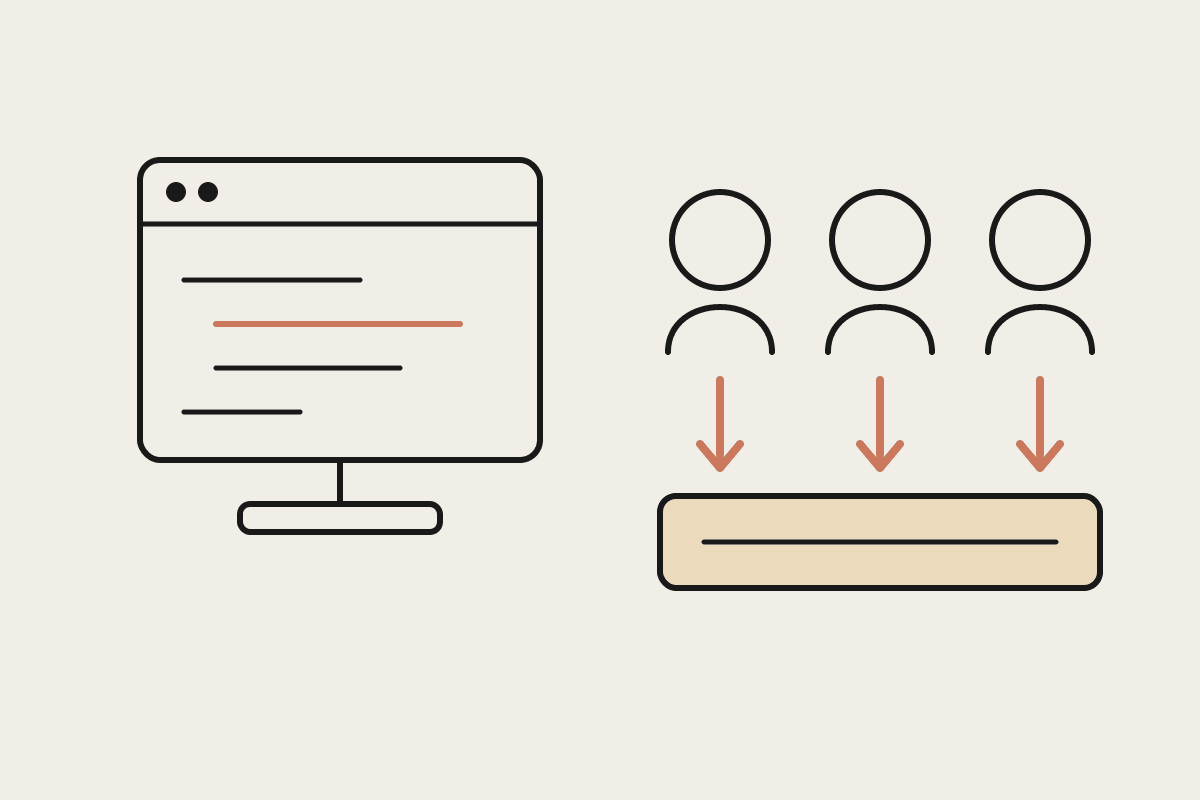
The report goes to the platform team weekly. Items get triaged into "fine," "follow up with the author," and "needs a real review now." The point is not to catch the rare malicious change; the point is to give the platform team a regular signal on where the codebase is drifting versus the security posture they thought they had. The same report becomes evidence in the next external audit, which has its own value.
Common Failure Modes to Avoid
Four rollout patterns we have seen fail across Sydney and Melbourne engineering teams, even where Claude usage is strong elsewhere in the business:
Auto-approving PRs based on a Claude pass. Not a single team we work with has made this work. The moment Claude becomes a gate, authors write prompts and code shapes that pass it without addressing the underlying risk.
Running Claude in a CI step with no human attached. The output lands in a log file nobody reads, costs accrue, and the team concludes Claude "did not catch anything" when really nobody looked.
Loading the entire repository into context on every review. Token costs climb fast, the response quality drops, and you train the team that Claude is expensive. Scope the context to the diff plus declared dependencies.
Asking Claude to grade reviewer performance. This breaks trust faster than any other anti-pattern. Review quality is a manager conversation, not a model output.
Where to Start in Your Team
Pick one pattern, one team, four weeks. Pre-PR self-review is usually the lowest-risk first step because it changes one person's workflow at a time, and the cost of a bad Claude output is a discarded suggestion rather than a wrong comment on someone else's PR. Measure two numbers: median time-to-first-review and the rate of post-merge defects on that team's surface area. If neither moves after a month, the prompt is wrong before the tool is wrong; tune the prompt and the rubric before changing anything else.
Across the Australian engineering teams we work with, the ones that get value from Claude in review treat the prompts as living documents owned by the platform team, version-controlled in the repo next to the linter config and updated whenever the review rubric changes. The teams that get nothing from it typically rolled out a generic prompt once and never iterated. If you want to talk through where to start in your codebase, you can book a 30-minute session via our contact page.