From empty server to running service, one description at a time
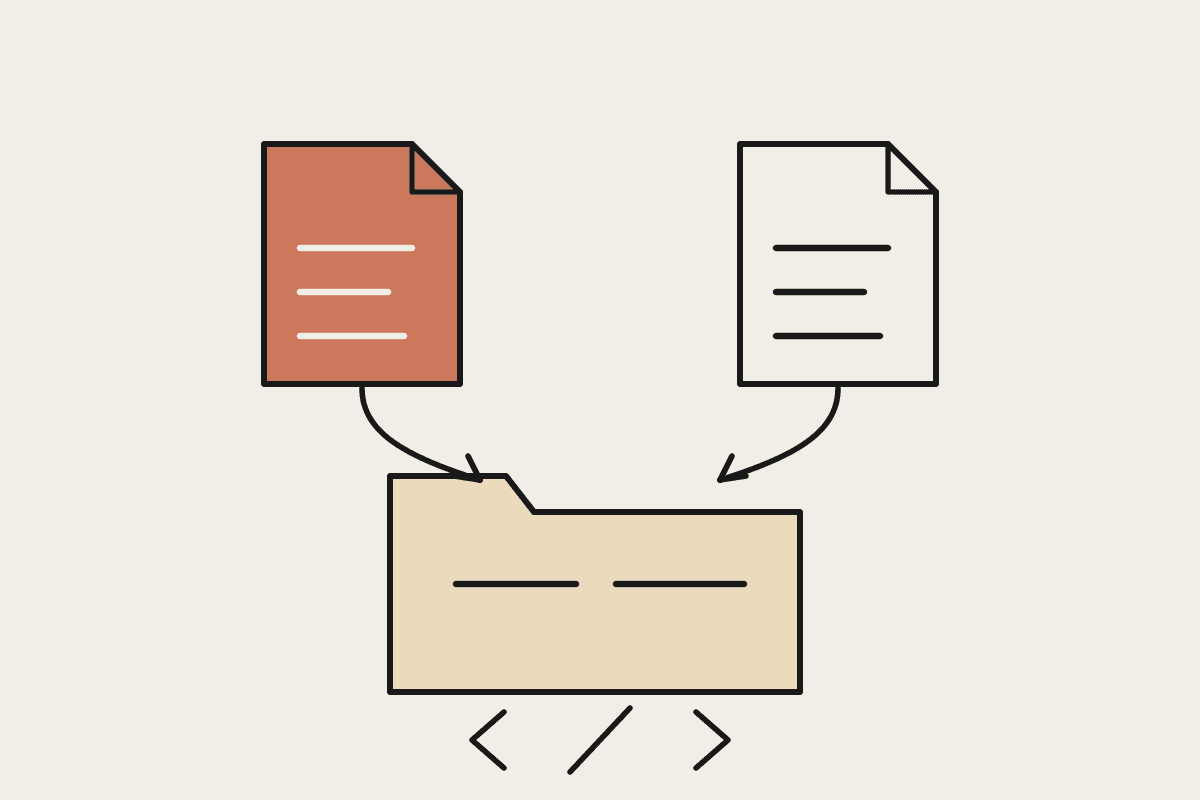
A pattern keeps showing up in Claude Code communities: founders and small teams handing an AI coding agent the job of standing up a fresh Linux server from scratch, and getting back a fully configured box without touching most of the manual setup themselves. One recent example circulating in these communities: a solo operator whose cloud server was about to expire needed to migrate to a new one before the old box shut off. After setting up SSH key access on the new machine, they described the target state, which service to run, which ports to open, how to configure the firewall, what network tuning to apply, and let the agent handle the rest: installing dependencies, creating users, setting permissions, writing configuration files, starting services, opening firewall ports, and running health checks to confirm everything worked.
That's a job that traditionally costs half a day even for someone who knows their way around a terminal. Create the user account, add the right groups, grant sudo access, install and configure the firewall, open the correct ports, tune kernel parameters, write systemd service files, install Docker, set up the database, configure environment variables, run the health checks. Each step alone takes five or ten minutes. Stack twelve or fifteen of them in sequence and half the day is gone, and that's before anything goes wrong between steps, which it usually does at least once.
What this means for AU small businesses
Most small and mid-sized Australian businesses don't have a dedicated DevOps engineer on staff. Standing up infrastructure either falls to whoever on the team is most comfortable with a terminal, or gets outsourced at a contractor day rate that can run past $1,200 for a single afternoon of setup work in Sydney or Melbourne. Waiting on that contractor's calendar can add another week to a project that should take an afternoon. Claude Code, used the same way as the example above, turns that into a supervised task rather than a specialist one:
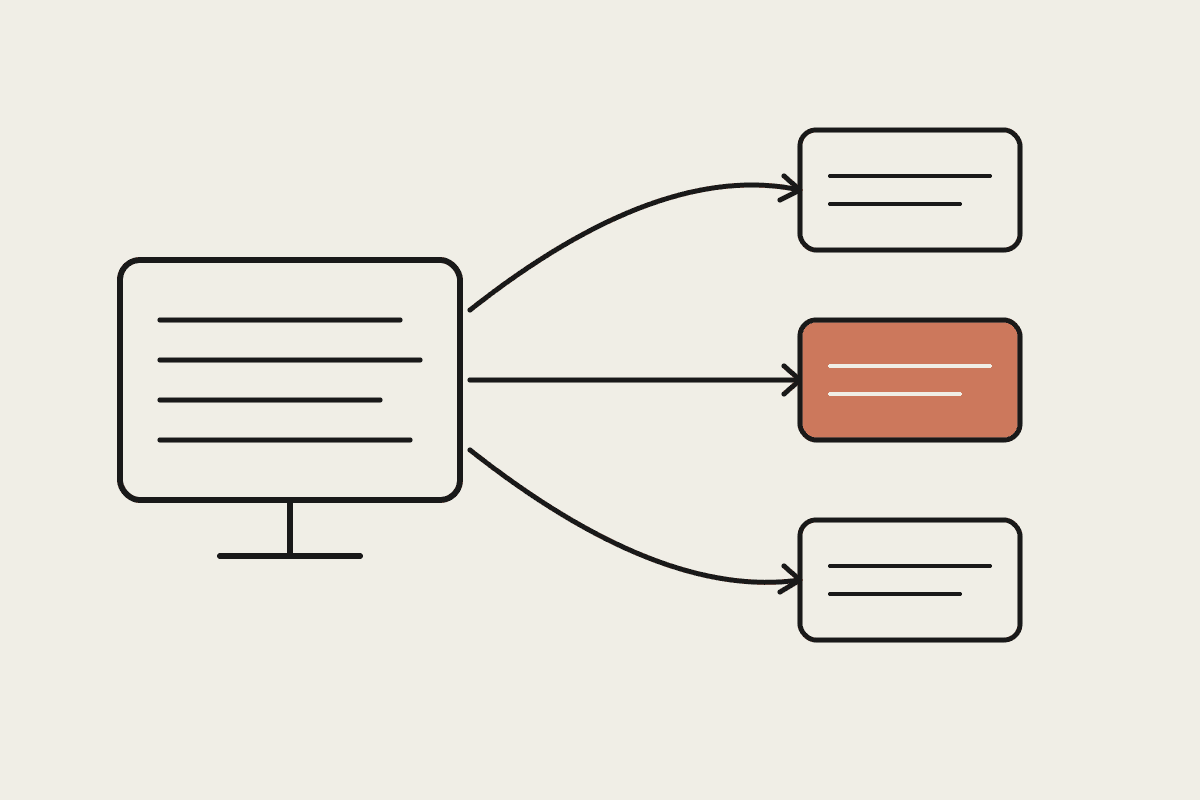
You describe the target state in plain language: the service, the ports, the security posture
Claude Code executes the individual setup steps and reports back on what it did at each stage
You review the result and the command history rather than typing every command yourself
The whole exchange, description to working server, typically finishes inside an hour rather than a day
This doesn't replace a DevOps hire for a business running serious infrastructure at scale. Dozens of servers, multi-region failover, or anything tied to strict uptime contracts still needs a specialist who owns it full time. It does remove the barrier for the much more common case: a business that needs a handful of servers configured correctly and doesn't want to pay specialist rates, or wait on a contractor's calendar, to get there.
What a supervised setup actually looks like
The pattern that works best isn't handing the agent the keys and walking away. It's closer to briefing a capable junior admin who happens to work fast. A typical session for an Australian small business setting up a new application server looks like this:
Provision the server through your cloud provider and set up SSH key access, so no password is ever exposed to the agent
Describe the target state: what's being hosted, expected traffic, which ports need to be public, any compliance requirements tied to where data is stored
Let Claude Code work through the install: user accounts, firewall rules, Docker and any required runtimes, the application itself, a reverse proxy, and TLS certificates
Review the change log it produces, then run your own health checks before pointing real traffic at the box
The value isn't that the agent types faster than a person. It's that it doesn't skip steps when it's the fifth server this month and everyone's tired. Consistency, not speed, is what actually saves the half-day.
The one rule that matters
There's a real security caution worth repeating here: never hand a coding agent your API keys, passwords, or other secrets as part of a setup task. When we scope this kind of work for clients, including a few operating under Privacy Act obligations around where customer data lives, we draw a hard line:
Fine for the agent to handle: package installation, firewall rules, service configuration, non-secret environment variables
Never handed to the agent: API keys, database passwords, TLS private keys, cloud provider credentials
Handle sensitive credentials yourself, or use a proper secrets manager and inject them after the agent's work is done, and keep the agent scoped to configuration work rather than anything touching live credentials. That boundary is what makes this safe to run on a Tuesday afternoon instead of something that needs a security review first.
If your business is paying contractor rates for routine server setup, or avoiding infrastructure changes because nobody in-house wants to own them, that's exactly the kind of workflow we scope for Sydney and Melbourne clients. Get in touch and we'll walk through what a supervised setup would look like for your stack.