Search for a Claude consultant in Melbourne and you get a crowded list: solo freelancers, large agencies that added AI to the menu last year, and a handful of genuine specialists. The labels look similar and tell you almost nothing about who can actually get work done. This guide sets out what a Claude consultant does in 2026, how the roles break down on a real project, and what a Melbourne business should expect to pay.
What a Claude consultant actually does
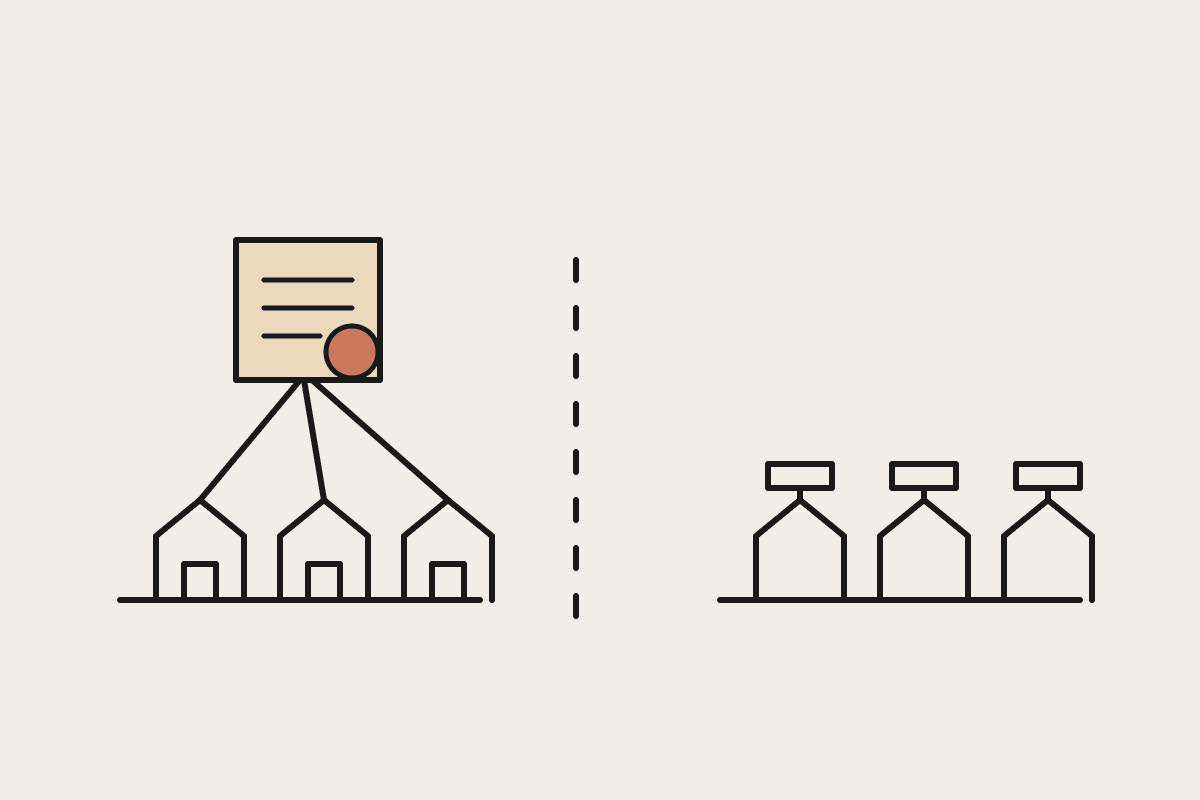
A Claude consultant helps an Australian business turn Claude, Anthropic's AI assistant, into working systems instead of a novelty chat window. The useful ones spend most of their time on your processes rather than the model itself: which tasks are worth automating, what a safe rollout looks like, and how you prove it paid off. Almost every engagement moves through the same set of work streams.
Discovery and scoping: mapping the repetitive, text-heavy tasks across your business and ranking them by hours saved and risk.
Build and integration: connecting Claude to the tools your team already uses, such as email, documents, spreadsheets, and your CRM.
Context and instruction design: writing the prompts, examples, and guardrails that make Claude reliable on your specific work.
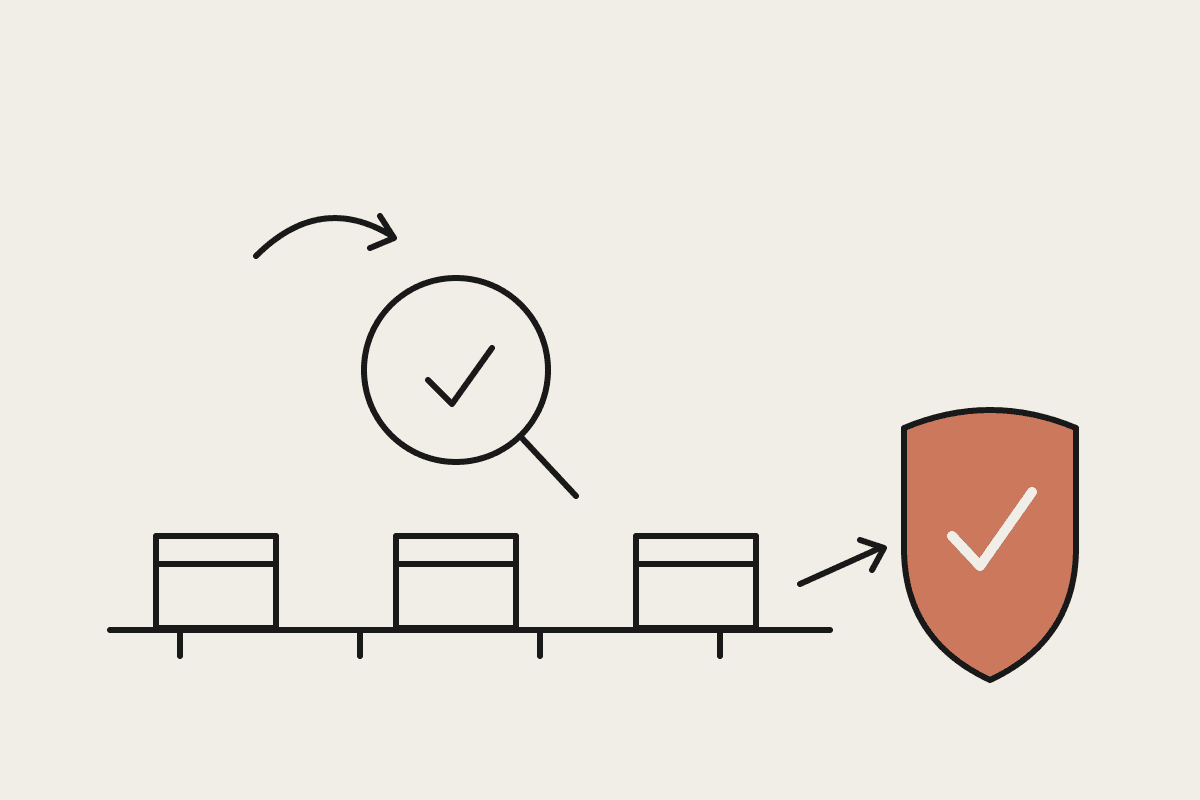
Governance and safety: deciding what data Claude can see, where it runs, and how you stay inside the Privacy Act and any industry rules.
Training and handover: getting your staff confident enough to run and improve the system without the consultant in the room.
A good consultant treats that last point as the goal, not an afterthought. If the knowledge only lives with the person you hired, you are renting a result rather than owning a capability.
The roles on a Claude engagement
On a larger project the work streams are split across a few distinct roles. On a small job one person wears several hats, which is common in Melbourne where many teams are lean. Knowing the roles helps you brief the right person and spot gaps before they cost you.
Solutions consultant: talks to the business, finds the highest-value use cases, and owns the plan and the numbers behind it.
Automation engineer: does the technical build, wiring Claude into your systems and handling the parts that need code.
Context designer: shapes the instructions and examples so Claude behaves consistently on your documents and in your tone.
Governance lead: sets the data-handling rules and keeps the project defensible if a client or regulator asks how it works.
Trainer: runs the sessions that leave your staff able to use and extend the system themselves.
For a small business, the same specialist often covers the consultant, engineer, and trainer roles. That is fine, as long as they can show they have done each part before rather than learning on your budget.
How to tell a specialist from a generalist AI shop
A lot of Melbourne agencies added an AI line to their website in the past two years. Some are excellent; many are reselling a generic chatbot with a fresh coat of paint. A short list of questions separates the two quickly.
Can they show a Claude project already running in production for a real client, not just a demo?
Do they design for your data staying in Australia or a region you have approved?
Will they build on the tools you already own, or push you onto a platform that locks you in?
Do they hand over training, or keep the knowledge so the invoices never stop?
Can they tell you plainly what they will not promise?
That final question matters more than it sounds. A specialist who is honest about the limits of the technology is far more useful than one who claims Claude can do anything you point it at.
What a Claude consultant costs in Melbourne (2026)
Fees move with scope, but Melbourne pricing in 2026 tends to cluster into a few tiers. A fixed-fee setup that gets a single workflow live and in your team's hands usually runs around $3,500. A broader discovery and build across several workflows sits in the $12,000 to $30,000 range. Ongoing improvement and support retainers commonly run $2,000 to $6,000 a month, depending on how much you want the consultant on call.
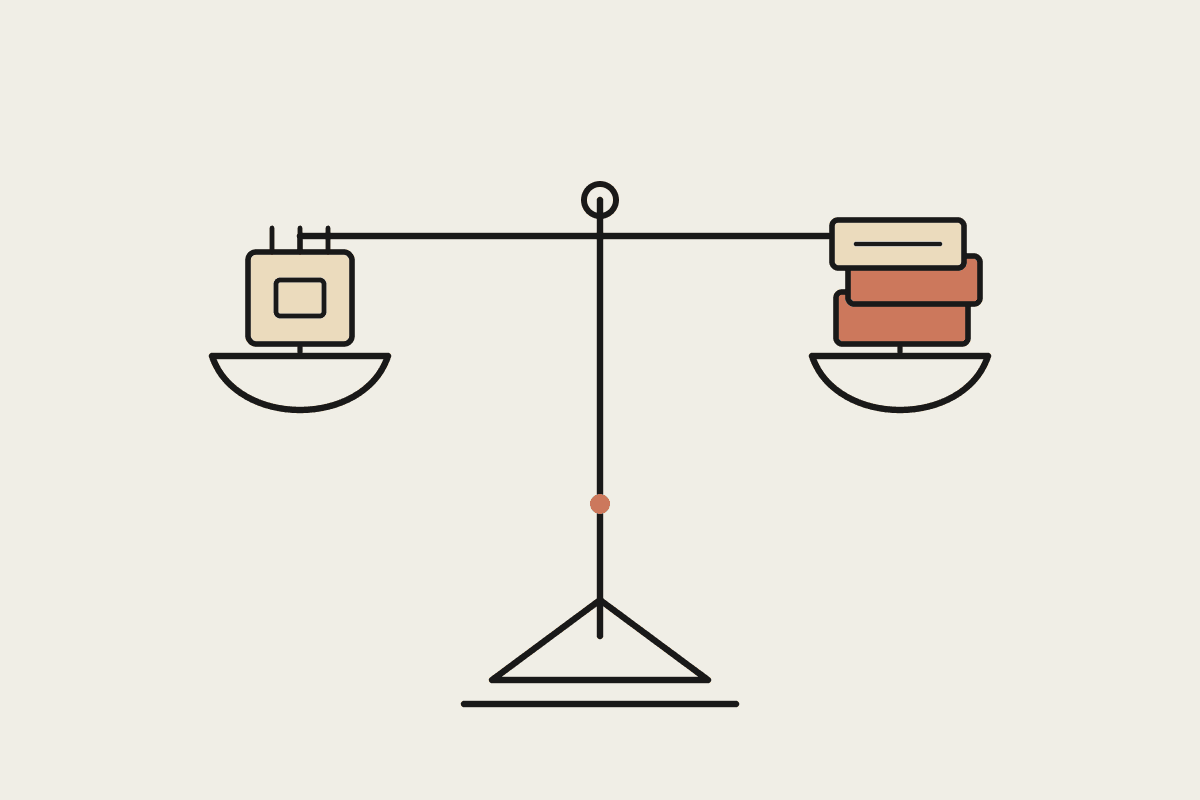
Those numbers only mean something next to the return. A mid-size firm that hands Claude 20 hours of admin a week can save well past $45,000 a year in labour once you count on-costs, which is why the setup fee is often the smallest line in the business case. One professional-services firm we scoped was spending roughly $120,000 a year on manual document handling; the build to remove most of that cost a fraction of a single year's saving.
The lesson is not that cheap is good or expensive is bad. It is that you should judge a Claude consultant on the value of the workflow they get running, not the size of their invoice.
How Melbourne businesses should start
The fastest way to find out whether a Claude consultant is worth the money is to start narrow. Pick one painful, repetitive task, put a small budget against it, and judge the result before you scale to the rest of the business. A specialist worth hiring will happily work this way, because a quick, measurable win is the best case they can make for the next project.
If you want help working out which task to start with, you can book a short brainstorm with our team and leave with a clear first step, whether or not you go further. You can also read how we approach Claude consulting for Australian businesses before you commit to anything.