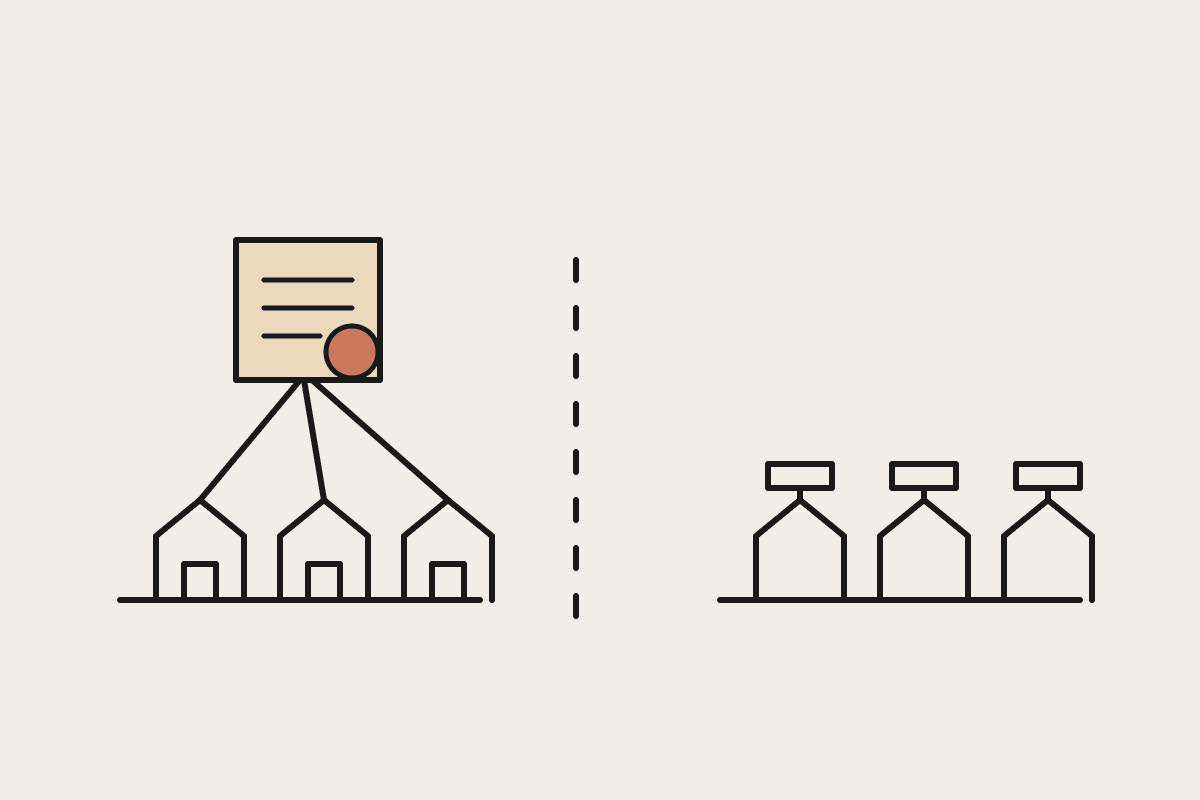
Anthropic announced Claude Corps on 11 June: a national fellowship program that places 1,000 early-career fellows inside US nonprofits for twelve months, full-time and in person, to help host organisations put Claude to work. The company has committed an initial $150M USD, roughly $230M AUD, to get it running.
For Australian organisations there is no local equivalent, and that absence is the point. The design behind Claude Corps is something a Sydney nonprofit or a mid-sized Australian business can borrow today, without waiting for a government or philanthropic program to fund it.
How the program works
The mechanics are deliberate, and they say a lot about what Anthropic thinks actually moves the needle.
Anthropic funds the program, sets strategy and supplies Claude expertise; CodePath acts as employer of record and runs the training; Social Finance leads measurement and is building a financial vehicle to scale the model.
Fellows receive intensive training on using Claude in nonprofit settings, then five hours of ongoing training each week alongside their placement.
Compensation runs to $85,000 USD, about $130,000 AUD, plus benefits, a CodePath mentor, Anthropic office hours and a large Claude token budget.
At least 400 nonprofits will host a fellow in the first twelve months, from food banks to veteran support groups and marine conservation.
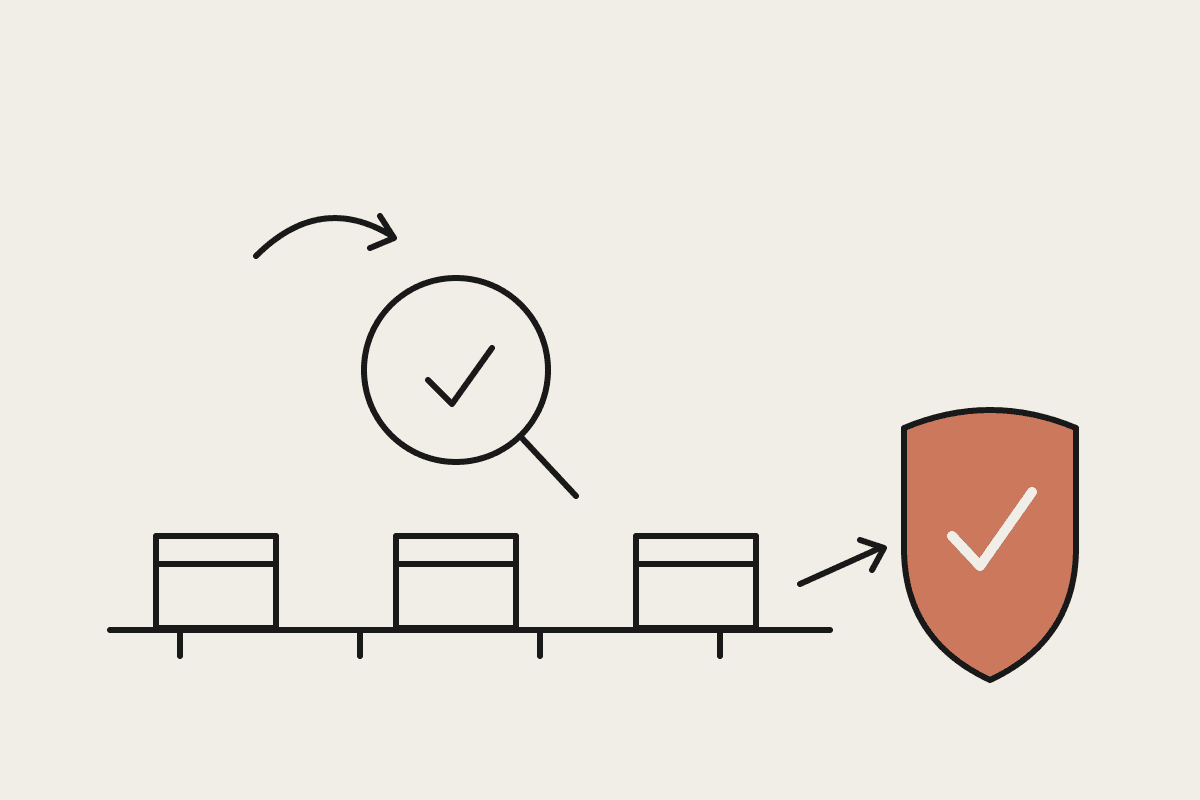
The structure matters more than the headline dollar figure. Anthropic is not handing out software licences and hoping for the best. It is funding a person, training that person deeply, embedding them in one organisation, and measuring what changes.
What it signals
This is the most concrete intervention any frontier AI lab has made on the question of AI and jobs: real salaries, real placements, measurable outcomes. The named host examples point to the pattern Anthropic expects to repeat. One trained operator with Claude embedded in an organisation can shift its analytical capacity, the kind of work that previously sat with an outsourced consultancy or simply went undone.
It also sets a benchmark. Once a lab has shown that a single embedded, well-trained operator can lift a whole organisation, the argument that a team is too small to bother with AI gets much harder to sustain.
The Australian read-across
There is no Australian Claude Corps yet, and that gap is the opportunity. Australian nonprofits face the same capacity squeeze as their US counterparts, and Australian SMBs face it twice over.
A single skilled Claude operator can replace outsourced analysis that often costs $50,000 AUD or more a year for a small organisation.
The fellowship pattern, train one person deeply, embed them, give them room to work, is replicable at SMB scale right now; you do not need a national program, you need an internal AI champion.
Organisations that have already run a Claude pilot will be first in line if Australian government or philanthropy funds similar placements, because they can show outcomes rather than intentions.
Put rough numbers on it. Say a community organisation spends $50,000 AUD a year on outsourced reporting and analysis, plus a few weeks of internal staff time on manual data work. An internal champion trained on Claude can absorb a large share of that within a quarter. Even on conservative assumptions, the payback on training one person sits in months, not years, and the capability stays in the building afterwards.
What an embedded champion actually does
In practice the role is unglamorous and high value. Someone who knows the organisation's work, given enough training to use Claude confidently, then rebuilds the slow manual tasks one at a time: grant acquittals, board reporting, donor analysis, case-note summaries, first-draft policy responses. None of it is exotic. The value comes from the person understanding both the tool and the context, which is exactly what the Claude Corps design protects.
For Australian teams there is an extra layer worth getting right early. Any embedded-champion setup that touches client or donor data needs to sit inside the organisation's Privacy Act obligations, with clear rules on what data goes where. This is straightforward to handle, but it is easier designed in from the start than retrofitted later.
There is a board-level reading here too. Claude Corps reframes AI adoption as a people decision rather than a procurement one. The lever is not the size of the licence or the brand of the model; it is whether one capable person is given the training, the time and the mandate to rebuild how work gets done. For an Australian SMB or nonprofit, that reframing is liberating, because it puts a meaningful program within reach of a modest budget instead of a national one.
The pragmatic move
Waiting for a local Claude Corps is the wrong play. Borrowing its design is the right one. Nominate or hire an internal champion, give them proper Claude training rather than a login and a hope, pick one or two high-friction workflows to rebuild first, and measure the time and money saved so the next round of investment is easy to justify.
Automata AI delivers the embedded-champion model commercially for Australian teams: Claude training, setup and a working first automation, not a slide deck. If you want to map what one trained operator could take off your plate, book a brainstorm.