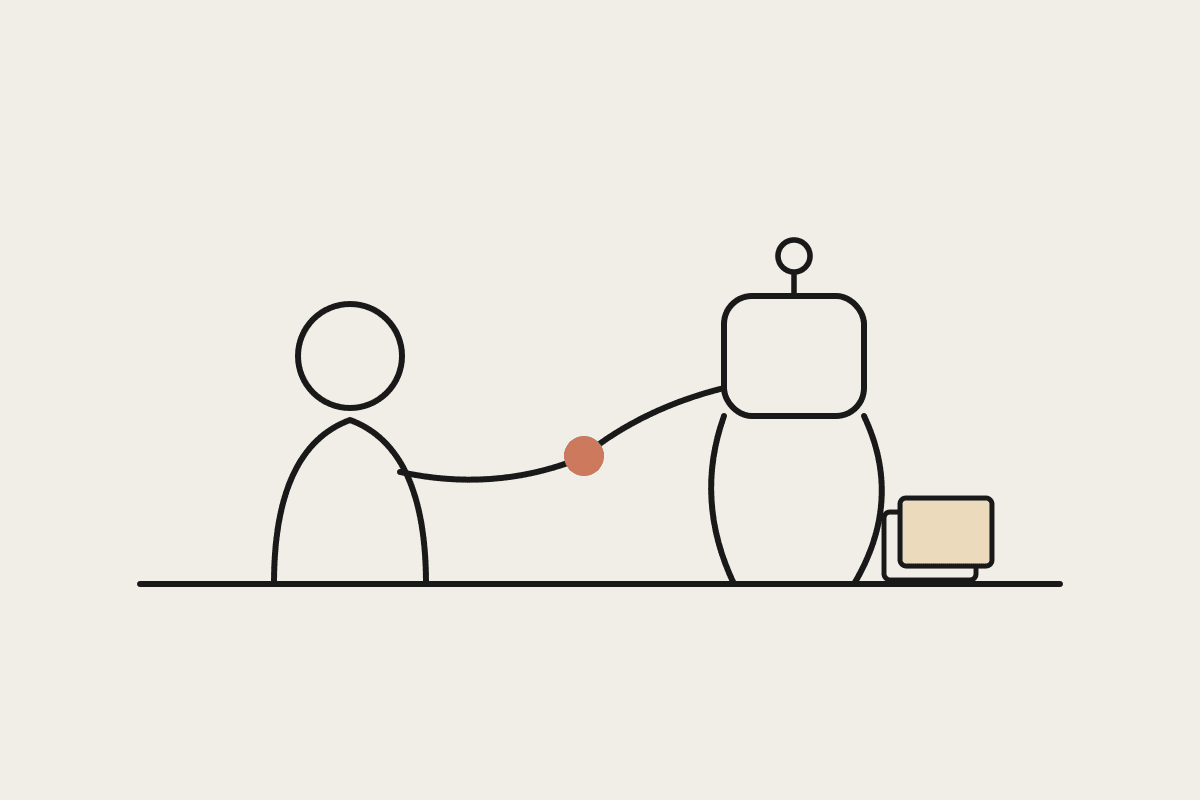
Most executive assistants who try Claude's Cowork mode expect it to replace parts of their job. What they find instead is closer to hiring a very fast, very literal junior who never gets tired of formatting a board pack at 11pm. The work doesn't disappear. It gets redistributed, and the EA ends up doing less typing and more deciding.
What Cowork actually hands off
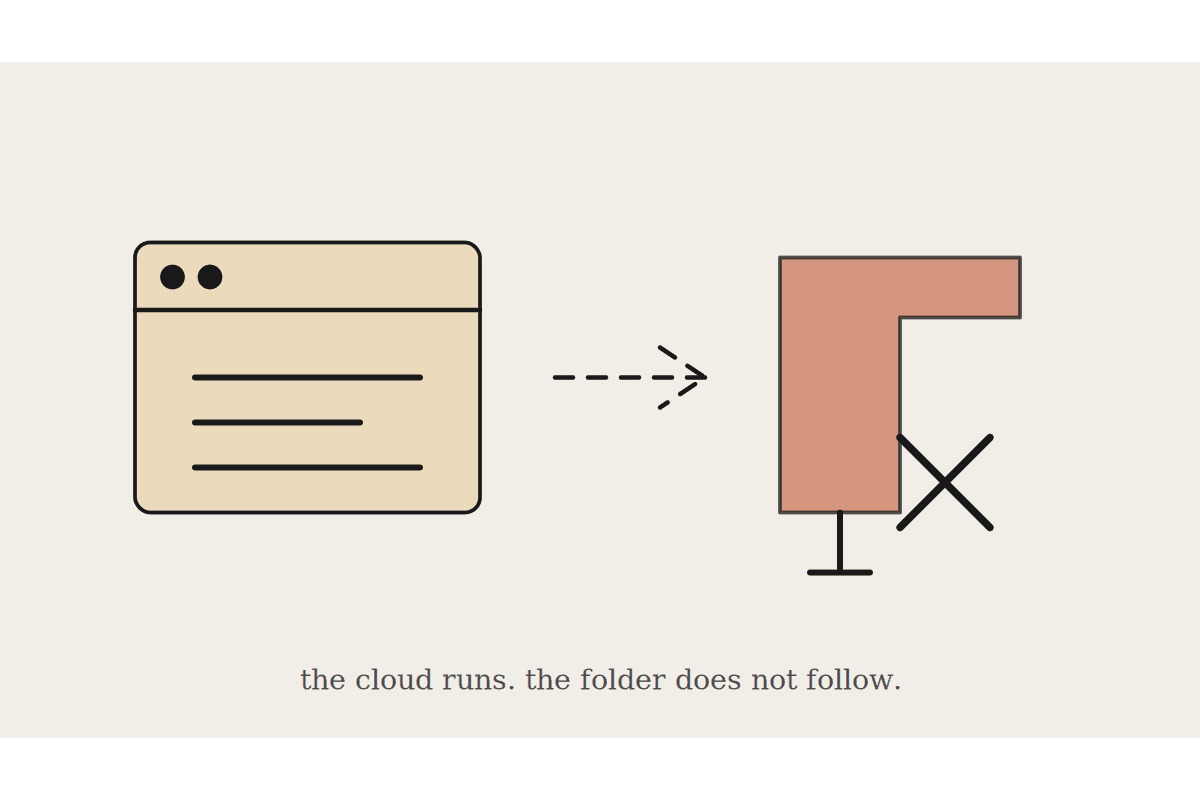
Cowork sits on the desktop and works inside the tools an EA already uses: email, calendar, shared drives, and whatever project boards the executive team runs on. Given a folder and a clear brief, it will draft, sort, and prepare things for a human to check, rather than send anything on its own. That distinction matters more than the automation itself, and it's the one most vendors gloss over when they pitch an AI assistant as a full replacement for admin work.
In practice, the handoff looks like this: the EA sets up a folder of context (org chart, standing meeting cadences, preferred formats for board papers) once, and Claude reads that context every time it's asked to help with a related task. There's no separate configuration step for each new request. The EA just asks, in plain English, for what they need.
First-pass inbox triage: flagging anything that needs a same-day reply and drafting responses to the routine 80 per cent
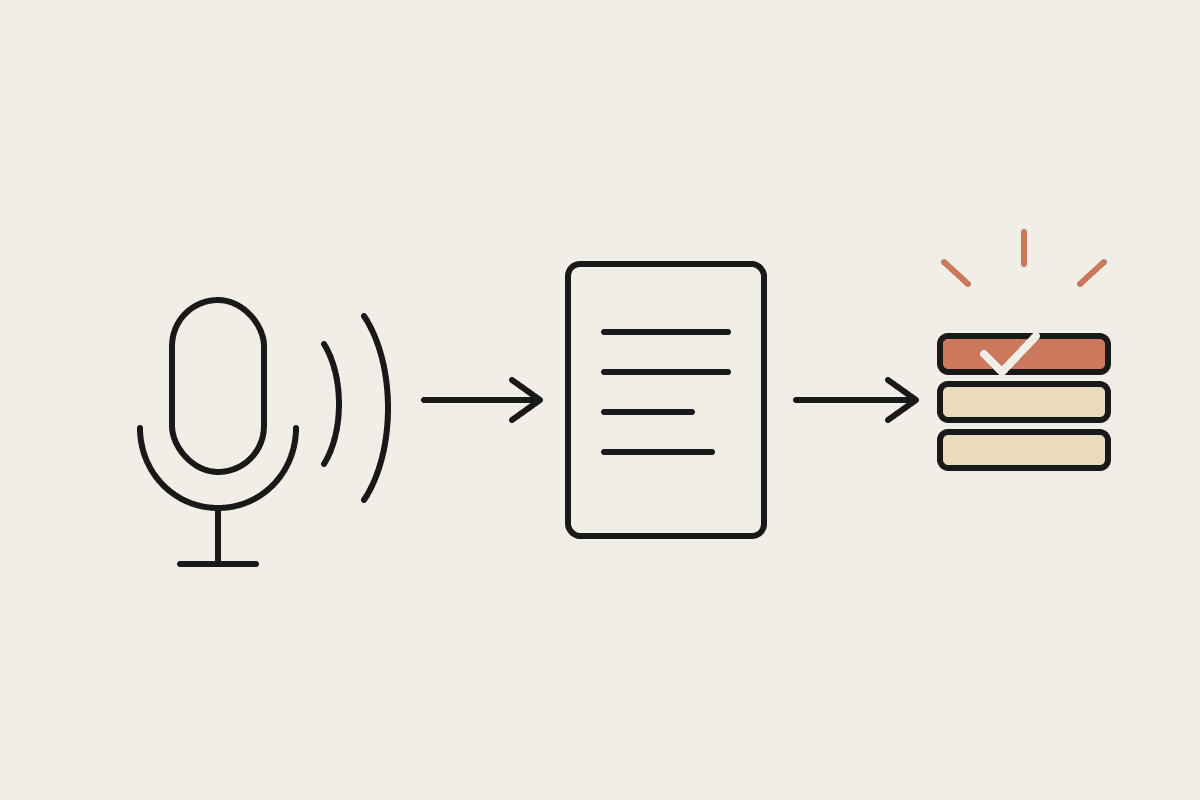
Meeting prep packs: pulling the last relevant thread, attendee bios, and open action items into one document before a call
Calendar triage against stated priorities, with conflicts and travel time flagged rather than silently rearranged
Expense and invoice chasing, formatted and ready for the EA to send with one click
Board pack assembly: consistent formatting, correct page numbers, and a first-pass summary slide
Where the EA has to stay in the loop
The tasks above have something in common: they are all reversible if Claude gets a detail wrong, and none of them involve sending something external without a human reading it first. That's a deliberate boundary, not a limitation of the tool. Anything that touches money movement, account access, or an external send stays a draft until the EA approves it. For a Sydney-based executive assistant managing a chief executive's calendar and correspondence, that boundary is the difference between a genuinely useful agent and a liability the compliance team has to worry about.
The judgement calls that still belong to the EA include reading tone in a sensitive email before it goes out, deciding which meeting requests actually warrant the executive's time, and knowing which stakeholders need a phone call instead of an email. Claude can draft a diplomatic decline. It cannot know that the person asking has a long-standing relationship with the business that makes a blunt no a mistake. That kind of institutional memory is still, and probably always will be, a human skill.
A Sydney firm's week, in numbers
One Sydney professional services firm we worked with tracked EA hours before and after introducing Cowork for inbox and meeting prep work over a four-week trial. The EA's time on first-draft email responses and meeting pack assembly fell from roughly 11 hours a week to under 4. At the firm's fully loaded EA cost, that freed capacity was worth close to $18,000 a year, redirected into stakeholder coordination and project work the EA had previously never had time for. No headcount changed. The role got more interesting, not smaller, and the EA became the one deciding what the agent should tackle next rather than the one doing every task by hand.
Setting the agent up so it doesn't overstep
The firms that get the most out of Cowork spend the first week writing down rules most EAs already carry in their heads. That upfront brief is what keeps the agent useful rather than risky, and it's usually a shorter document than people expect: a page, not a policy manual.
Name the people who never get an automated reply, and route anything from them straight to the EA
Set spending and approval thresholds in writing, so Claude knows what always needs sign-off
Keep drafts as drafts by default; only enable direct sending for genuinely low-risk, high-volume tasks once trust is established
Review a sample of drafts weekly for the first month, then monthly after that, to catch drift early
Getting started this month
A useful first trial is narrow: one inbox, one recurring meeting type, and a two-week window to see what actually saves time versus what just moves the work around. Australian businesses running this kind of trial tend to find the honest answer within a fortnight, well before it's worth a wider rollout decision. The EAs who like the outcome best are usually the ones who treated the first week as training the agent, not testing it, and who kept a short list of edits Claude got wrong so the brief could be tightened.
If you want a hand scoping what a Cowork trial should look like for your team, book a short call and we'll work through the brief, the guardrails, and a realistic timeline together.
Keep going
For the full setup path, see the Claude Cowork setup guide. Related on this topic: