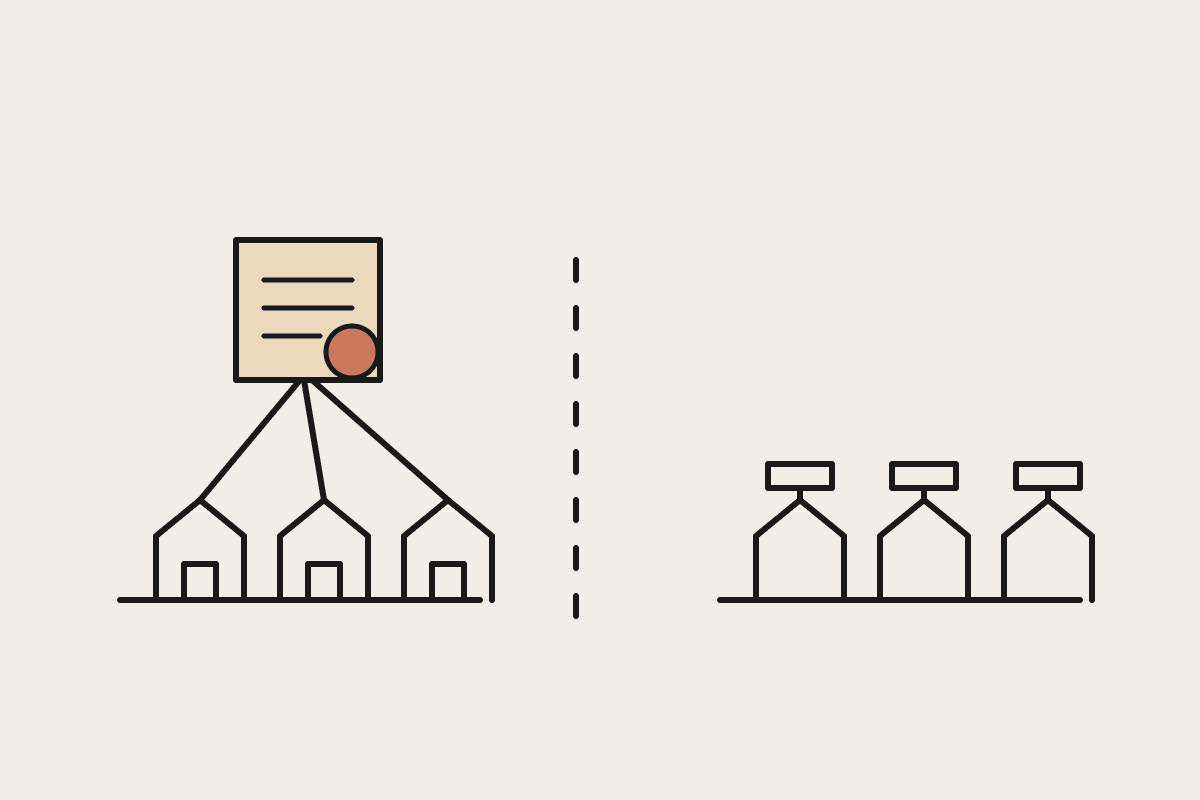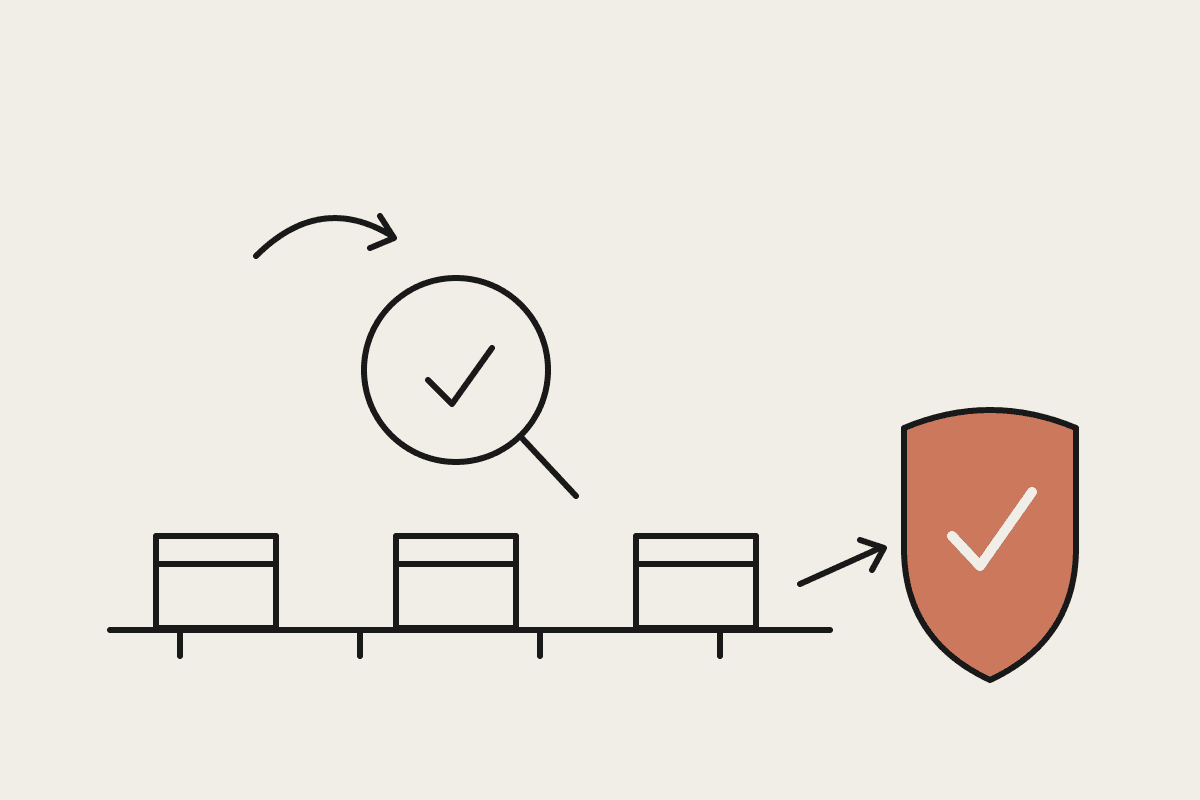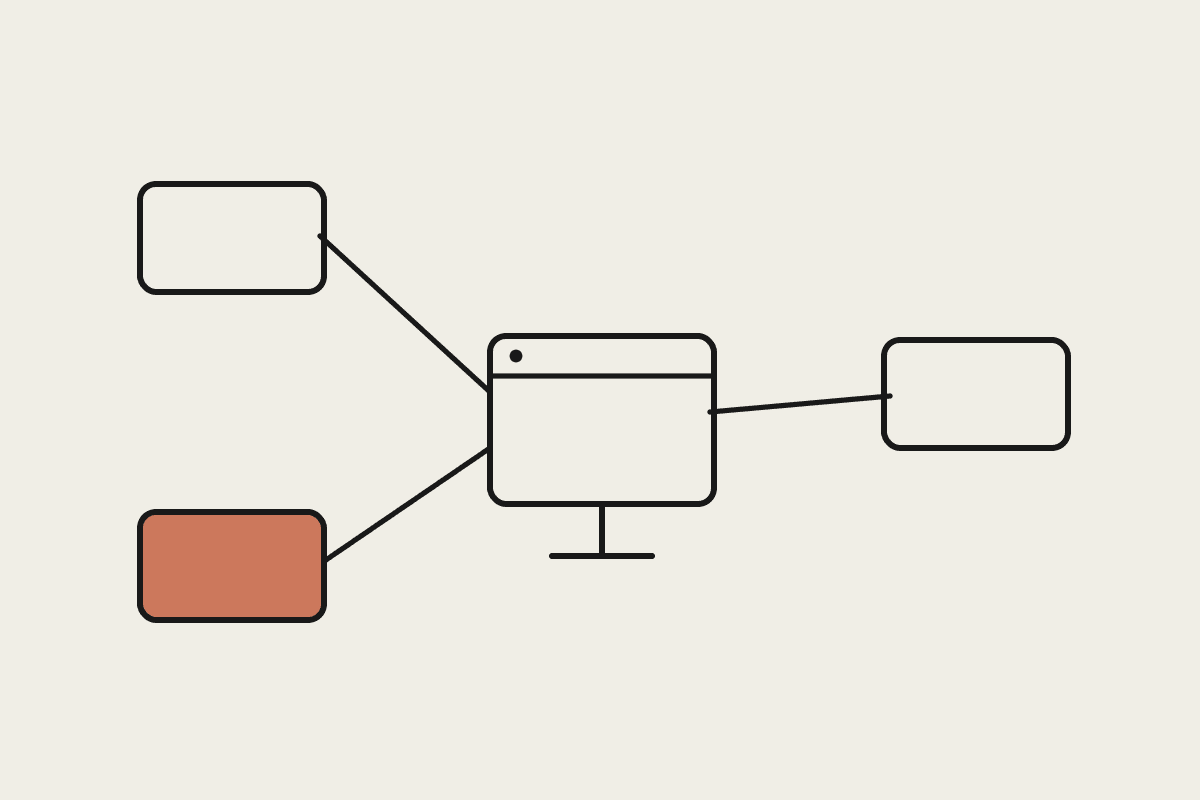
Claude Desktop now runs on the three big cloud platforms an Australian business is most likely to already use: Amazon Web Services, Google Cloud, and Microsoft Foundry. The confirmed headline is straightforward, and the deeper details will firm up as teams get hands-on. For most buyers the interesting part is not the technology. It is what multi-cloud availability does to procurement, data residency, and vendor choice.
When a tool only runs in one place, you take that vendor's terms, billing, and region whether they suit you or not. When Claude runs across all three major clouds, the decision moves back to you. That is a quieter story than a new model, but for an Australian business it often matters more.
Why running on your existing cloud matters
Most established Australian businesses have already picked a primary cloud. They have contracts in place, a security review on file, and a finance team that understands the billing. Being able to run Claude inside that same environment removes a pile of friction that has nothing to do with the AI itself.
Billing you already have: the spend can sit inside an existing cloud commitment rather than becoming a separate $30,000 software agreement with its own approval cycle.
Data residency: you can choose an Australian region, which matters for Privacy Act obligations and for APRA-regulated firms that care where processing happens.
Security review reuse: the questionnaire your team already completed for AWS, Google, or Microsoft carries much of the weight, instead of starting from scratch.
Less lock-in: if your cloud strategy changes, Claude moves with you rather than anchoring you to a provider you were planning to leave.
Procurement gets simpler
Buying enterprise software in Australia is rarely held up by the software. It is held up by legal review, security sign-off, and finance approval. Purchasing Claude through a cloud marketplace you already use folds the tool into agreements that have cleared those hurdles before. For a mid-sized firm that can be the difference between a project starting this quarter and slipping to the next.
It also makes pilots easier to justify. A small trial that bills against an existing cloud account, with a ceiling of a few thousand dollars, is a far easier yes than a standalone contract. That lowers the cost of finding out whether Claude earns its place before you commit to anything larger.
What to check before you switch
Multi-cloud availability is useful, but it is not a reason to move on its own. Confirm which Australian region each platform offers and whether it meets your data-residency needs. Check which Claude models are available where you plan to run, since the catalogue can differ between platforms. Factor in any data-transfer costs, and have your security team confirm the setup against your existing controls rather than assuming the cloud badge covers it.
Where multi-cloud availability does not help
It is worth being clear about the limits, because availability alone does not solve everything. Running Claude on your own cloud does not change what the model can and cannot do, and it does not remove your responsibility for how staff use it. A team that adopts Claude without any guidance on what to put into it, and what to keep out, carries the same risks on AWS or Google Cloud as it would anywhere else. The platform decision is a procurement and governance win. It is not a substitute for training your people or for writing down the handful of rules that keep sensitive information out of the wrong places.
There is also a cost nuance that catches teams out. Sitting inside an existing cloud agreement can simplify billing, but it does not automatically make the spend cheaper, and data-transfer charges between services can add up if your workflows move large volumes around. The right question is not which cloud looks cheapest on a price list, but which one already holds your data, your contracts, and your completed security review, so the total effort and risk of adopting Claude is lowest. For most established firms that answer is the platform they are already standardised on.
For a Sydney or Brisbane business that has already picked a provider, the practical path is straightforward. Run Claude where the rest of your work lives, choose an Australian region, confirm the models you need are offered there, and keep the decision under review as your needs change. The real value of multi-cloud is that the door stays open if your strategy shifts later. You do not have to walk through it today to benefit from knowing it is there.
If you are weighing where to run Claude and want the procurement and residency questions answered against your own cloud setup, we can help you work through it. You can book a brainstorm and we will go through the options for your business.