Most Australian businesses don't buy Claude the way they buy a SaaS subscription. Above a certain headcount or data sensitivity, procurement wants a security review, a data processing agreement, and a signed order form before anyone gets a seat. That process can take two weeks or ten, depending on how prepared you are walking in. This is what the path from first security questionnaire to signature actually looks like for a Sydney-based mid-market business, and where most timelines blow out.
Why Claude Procurement Isn't Like Buying Slack
A tool like a project tracker touches task titles and comments. Claude, once wired into email, CRM records, contracts, or financial data, touches everything a staff member can see. That difference is exactly why a procurement or IT security team wants a proper review rather than a credit card sign-up. It isn't bureaucracy for its own sake; it is the business correctly treating an AI vendor with the same scrutiny it applies to a payroll processor or a cloud host.
For businesses regulated by APRA, or handling data covered by the Privacy Act 1988, this scrutiny is often mandatory rather than optional. Financial services firms in particular will run Claude through the same third-party risk framework used for core banking vendors, even for a text-generation use case that sounds low-risk.
What a Claude Security Review Actually Checks
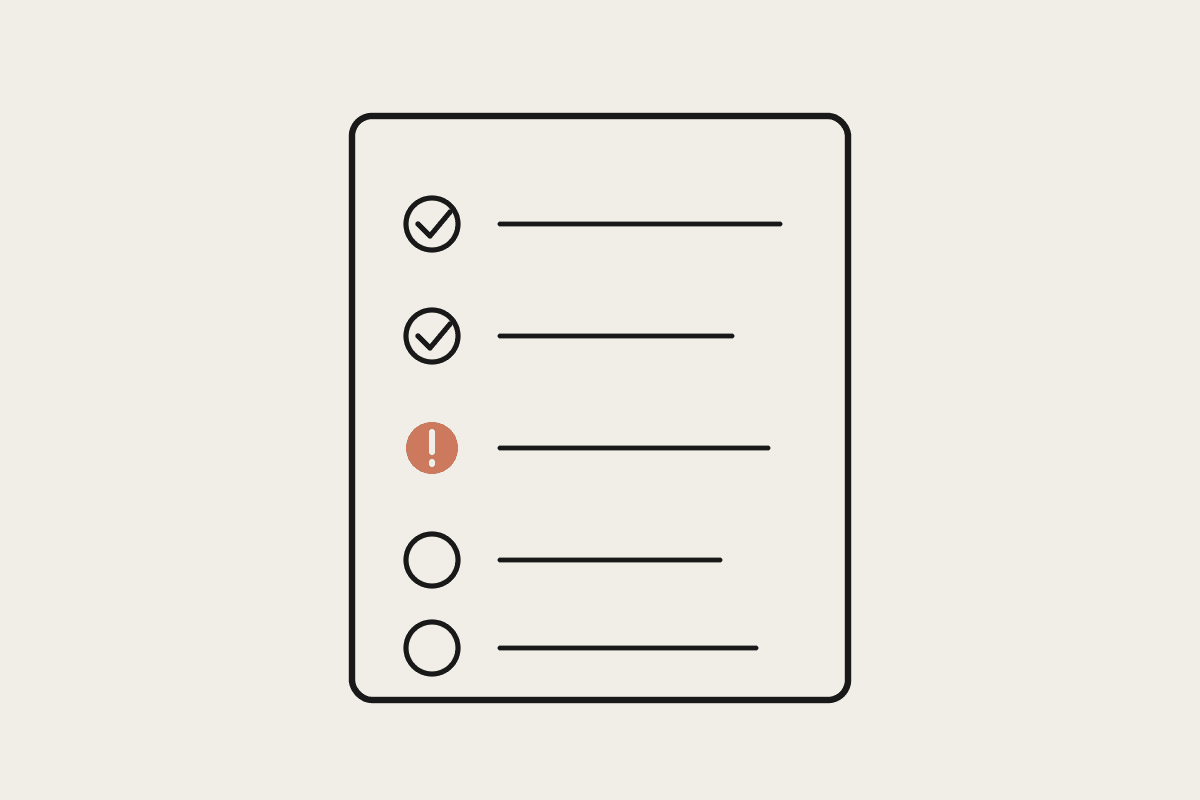
Enterprise procurement teams tend to work through a fairly consistent checklist. Knowing it in advance is the single biggest lever for compressing the timeline, because you can answer questions before they are asked instead of waiting on a legal team's turnaround.
Data residency and retention: where prompts and outputs are processed and stored, and for how long.
Training data use: confirmation that enterprise conversations are not used to train Anthropic's models by default.
Sub-processor list: which third parties (cloud infrastructure, monitoring tools) touch the data path.
Access controls: SSO, audit logging, and admin permission granularity for enterprise workspaces.
Incident response: breach notification timelines and how they map to Australian notifiable data breach obligations.
Data Processing Agreement (DPA) terms: standard contractual clauses, especially for any cross-border transfer.
A well-run internal team will assemble this pack once and reuse it for every AI vendor review going forward, rather than starting from a blank page each time a new tool comes up for approval.
Where Australian Procurement Teams Get Stuck
Three friction points come up again and again in our work getting Claude approved inside Australian SMBs and mid-market firms.
1. No named data owner
Security reviews stall when nobody in the business can confirm what data will actually flow into Claude. Naming the specific data sources (a CRM export, a shared drive, a support inbox) before the review starts removes an entire round of back-and-forth.
2. Treating it as a single vendor decision
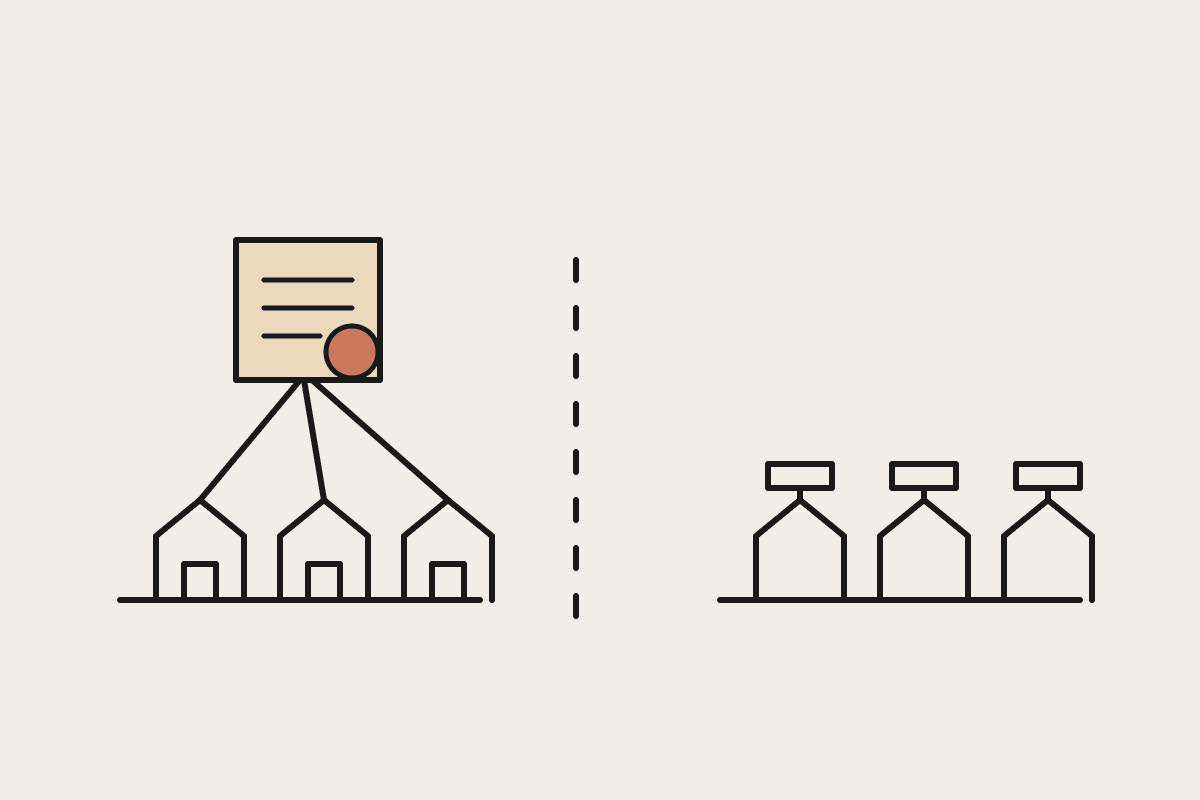
If Claude will be connected to Xero, HubSpot, and a document store through Model Context Protocol connectors, each of those integration points can raise its own question in review. Map the connectors up front rather than letting legal discover them one at a time.
3. Underestimating internal sign-off
Even a straightforward deployment can need sign-off from IT security, legal, finance, and a business unit sponsor. In a Melbourne firm we worked with recently, the technical review took four days; getting four separate approvers to actually respond took another three weeks.
A Realistic Timeline From First Call to Signed Order
Week 1: scoping call, use case defined, data sources listed, security questionnaire issued.
Week 1-2: questionnaire answered (this is where a prepared vendor pack saves the most time).
Week 2-3: legal review of the DPA and order form, redlines exchanged if needed.
Week 3-4: internal approvals (IT security, finance, budget owner) run in parallel where possible.
Week 4: order form signed, provisioning begins.
That is the well-run version. We have also seen it run to twelve weeks when a business starts the security review before anyone has agreed on budget, or when the data sources keep changing mid-review.
What This Costs in Practice
Enterprise Claude pricing is seat-based and usage-based, and the procurement process itself has a real cost in staff hours even before the first invoice arrives. For a 40-seat mid-market deployment, we typically see the combined internal cost of security review, legal review, and change management sit somewhere between $8,000 and $15,000 in staff time, on top of the licence spend itself. Businesses that reuse an existing AI vendor risk framework, rather than building one from scratch for Claude specifically, land at the lower end of that range.
The order form itself is usually the fastest step once legal and security have signed off. The bottleneck is almost never Anthropic's side of the process; it is internal coordination inside the buying business.
Getting Through Review Faster
Assign one internal owner for the whole review, not a committee that meets fortnightly.
Request Anthropic's standard security and compliance documentation before the internal questionnaire is drafted, so you are not duplicating questions that are already answered.
List every planned integration (CRM, finance system, document store) in the first meeting, not the third.
Get budget sign-off before security review starts, so a positive technical outcome does not stall on funding.
We run this process alongside Australian businesses regularly, from the first security questionnaire through to a signed order form and a working pilot. If your team is heading into a Claude procurement review and wants a second set of eyes on the vendor pack or the connector map, book a short call and we will walk through what your specific review is likely to ask for.