On 9 June 2026, Anthropic launched Claude Fable 5, a new flagship in its Mythos class, alongside a sibling model called Claude Mythos 5. For Australian businesses already building on Claude, the release matters less for the benchmark headlines and more for two practical shifts. Tasks that were too long or too complex to automate reliably are now within reach, and the cost of running them has dropped sharply. Here is what the announcement means in plain terms, and where it changes the maths for a small or mid-sized Australian business.
What Anthropic announced
Anthropic describes Fable 5 as the most capable model it has made generally available, and says it leads on nearly all of the benchmarks it tested, across software engineering, knowledge work, vision, and scientific research. The company also flags a pattern worth holding onto: the longer and more complex the task, the larger Fable 5's reported lead over earlier models. That is the part that matters for automation, where real work rarely fits inside a single short prompt and small quality gains compound across many steps.
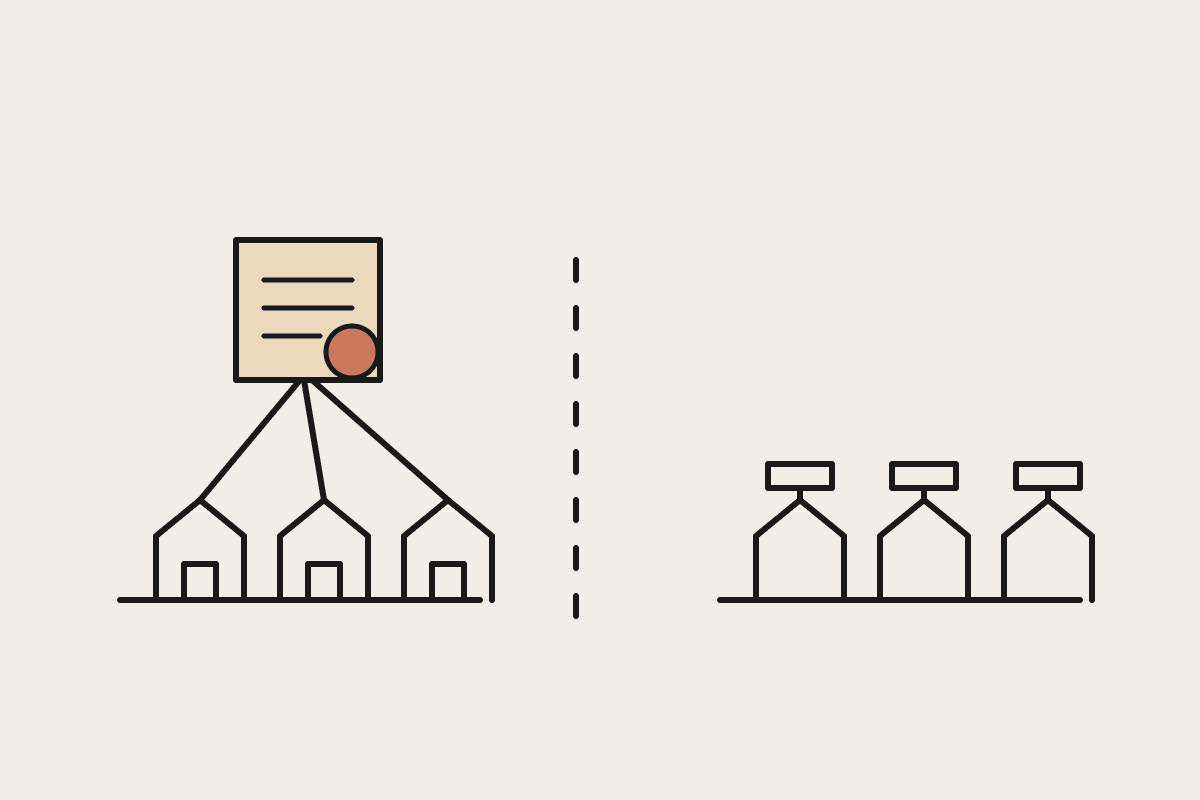
Fable 5 ships with conservative safeguards. Queries on some sensitive topics, such as cybersecurity misuse, are answered instead by the next most capable model, Claude Opus 4.8. Anthropic says these safeguards trigger in under 5 per cent of sessions on average.
Claude Mythos 5 is the same underlying model with safeguards lifted in some areas. It is offered to a small group of cyberdefenders and infrastructure providers, initially through Project Glasswing with the US government, and Anthropic describes it as having the strongest cybersecurity capabilities of any model it has released.
Pricing is USD $10 per million input tokens and USD $50 per million output tokens, which Anthropic says is less than half the price of the earlier Claude Mythos Preview.
Why the price drop changes the maths
At current exchange rates, USD $10 and USD $50 per million tokens land near AUD $15 and AUD $75 per million tokens. Those are wholesale figures rather than what a finished workflow costs, but the direction is what counts. A document-heavy process that might have cost an Australian firm $30,000 a year in model usage at older flagship prices can now run at a noticeably lower rate for the same volume, or do more for the same budget. When the cost per output falls, the break-even point for automating a task moves with it, and work that did not quite justify a build last quarter can start to pay for itself.
The capability gain compounds the saving. A model that holds its quality across longer, multi-step tasks needs less human correction, and correction is where much of the real labour cost sits. For a small team in Sydney or Melbourne, that combination of a lower price and steadier output on hard tasks is more useful than any single benchmark number.
A closer look at the safeguards
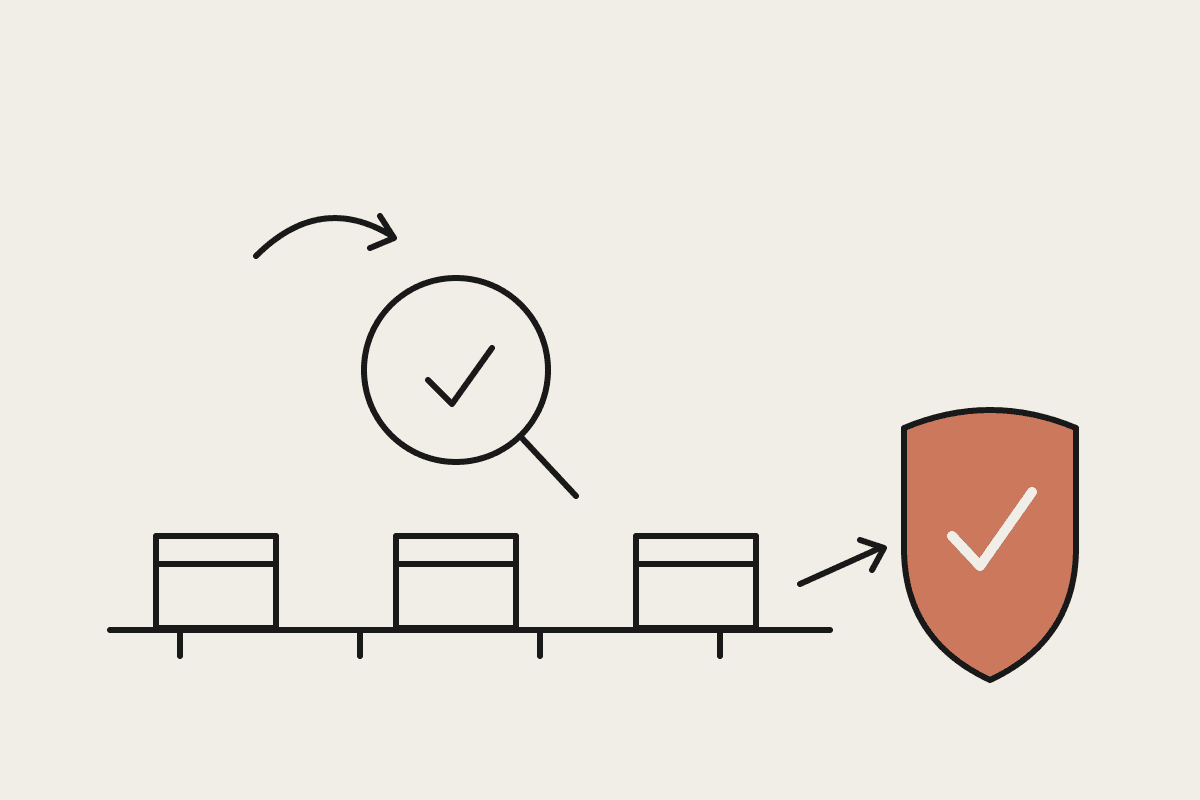
The routing behaviour is worth understanding before you plan around it. When Fable 5 meets a request that touches a restricted area, the answer comes from Claude Opus 4.8 instead of being refused outright. For a business, that means most everyday work sees the top model while a small slice is handled by a still very capable fallback. With the trigger rate reported under 5 per cent of sessions on average, the effect on ordinary commercial use, such as drafting, analysis, summarising, and coding support, should be minor. It is sensible to test your own real tasks to confirm the behaviour fits your workflow rather than assume it.
Mythos 5 and why it is not for general use
Claude Mythos 5 is not a product most Australian businesses will touch, and that is by design. It is the same model with some safeguards lifted, aimed at cyberdefenders and critical infrastructure providers through Project Glasswing, an arrangement Anthropic has set up initially with the US government. Anthropic also points to life-sciences research as an early use, citing novel hypotheses and faster therapeutic development. The takeaway for a general business is simple: Fable 5 is the model you will build on, and the existence of a more permissive sibling for defenders does not change your day-to-day options.
What it does not change
A more capable model does not remove the work of building a reliable system around it. Data handling still has to meet the Privacy Act, sensitive information still needs clear rules about what may be sent to a model, and any customer-facing output still needs a human check before it ships. Fable 5 makes the engine stronger. It does not write your governance, your prompts, or your integrations, and those are still where most automation projects succeed or fail.
Re-price your existing and shelved automations against the new token rates before assuming a build is too expensive.
Target longer, multi-step tasks that earlier models handled unevenly, since that is where Anthropic reports the largest gains.
Keep your data classification and human-review steps in place, because a stronger model raises the value of getting those right.
The practical takeaway for Australian SMBs
For most Australian businesses, the headline is not that a new model has topped a leaderboard. It is that the cost of automating real knowledge work has come down while the ceiling on what can be automated has gone up. That is worth a short review of your current Claude workflows, and of the ones you set aside as too costly or too complex. If you would like a hand mapping which of your processes now make sense to automate with Claude, book a brainstorm.