On 12 June 2026, Anthropic suspended access to two of its frontier models, Fable 5 and Mythos 5, for every customer worldwide. The trigger was a United States export-control directive that ordered Anthropic to cut off access for any foreign national, inside or outside the country. Australian businesses count as foreign nationals under that order, so any workflow built on either model stopped working with no notice. The rest of the Claude lineup keeps running, and that distinction shapes how you should plan from here.
What actually happened
According to Anthropic's published statement, the directive arrived on the afternoon of 12 June and cited national-security authorities without giving specific details. The reported concern was a method of jailbreaking Fable 5. Anthropic reviewed a demonstration of the technique and said it surfaced a small number of previously known, minor issues that other publicly available models can also find without any bypass. We are repeating the company's account here rather than the government's reasoning, which was not made public, so treat the specifics as reported rather than confirmed.
The directive was received on 12 June 2026 and applies to all foreign nationals, including Anthropic's own foreign-national staff.
To comply, Anthropic disabled Fable 5 and Mythos 5 for every customer rather than carving out regional exceptions.
Anthropic says Fable's safeguards were red-teamed for thousands of hours with the US government, the UK AI Safety Institute, and third parties.
No universal jailbreak has been found, and the company has stated that perfect jailbreak resistance is unlikely for any provider today.
What this means for Australian businesses
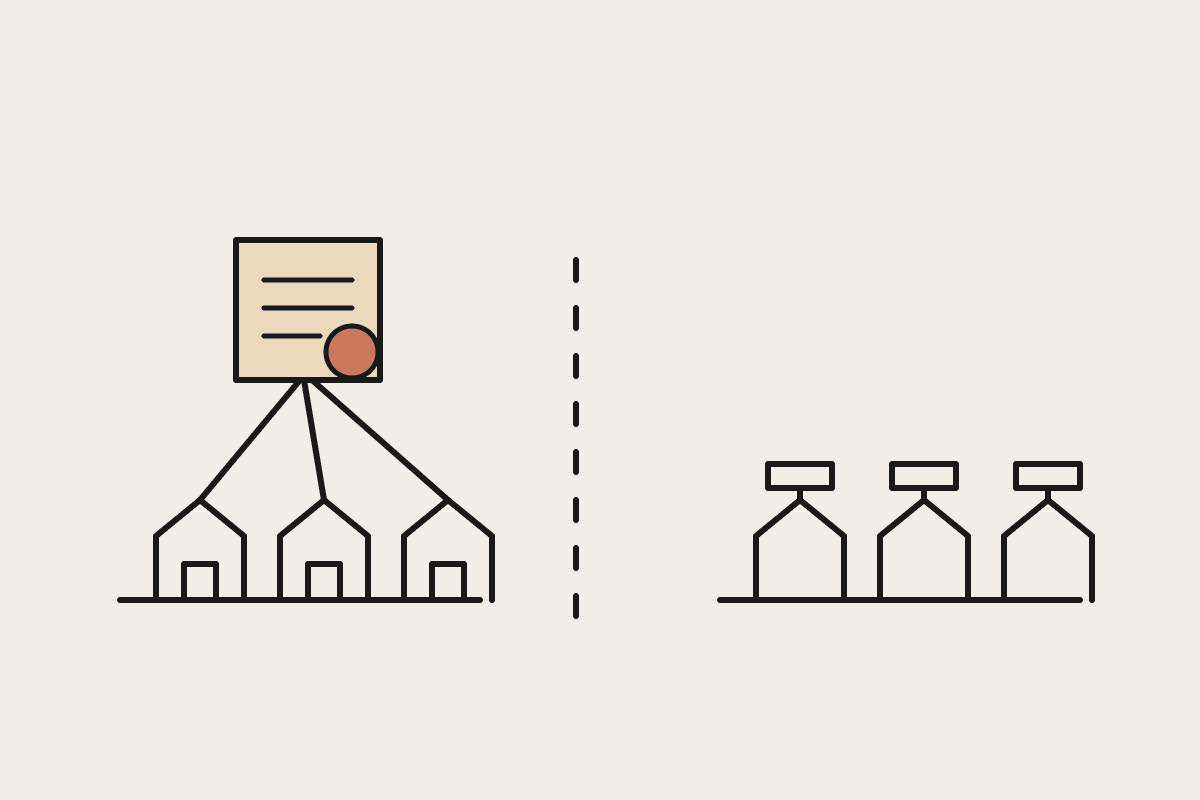
If your team in Sydney, Melbourne, or anywhere else in Australia had a process running on Fable 5 or Mythos 5, that process went dark overnight. There was no transition window and no local appeal. This is the practical risk of building a core business workflow on a single frontier model: a decision made in another country, for reasons you cannot influence, can remove your access between one day and the next. The lesson is not that Fable or Mythos were the wrong choice for the work they did. It is that single-sourcing any critical automation leaves you exposed to events well outside your control, and that exposure is easy to underprice when everything is working.
The Claude models still available
The suspension was narrow. Anthropic confirmed that the rest of the Claude family is unaffected and remains available to Australian customers, which means most production work can continue without interruption.
Claude Opus, for the heaviest reasoning and long-context tasks.
Claude Sonnet, the balanced default for most production builds.
Claude Haiku, for fast, high-volume, lower-cost work.
Claude Code, for agentic coding and long-running automation.
For most Australian SMBs, these models already cover the work that matters. A process that depended on Fable 5 can often be moved onto Opus or Sonnet with limited changes, provided it was built with that kind of portability in mind from the start.
How to design automations that survive a sudden change
An overnight access change is expensive when a workflow is wired tightly to one model, and cheap when it is not. A forced rebuild for a mid-size Australian team can run to $40,000 once you count lost output, re-engineering, and testing. A few design choices keep that figure close to zero.
Keep the model behind an abstraction layer, so swapping providers is a configuration change rather than a rewrite.
Write your prompts and tools to a documented interface, not to one model's quirks.
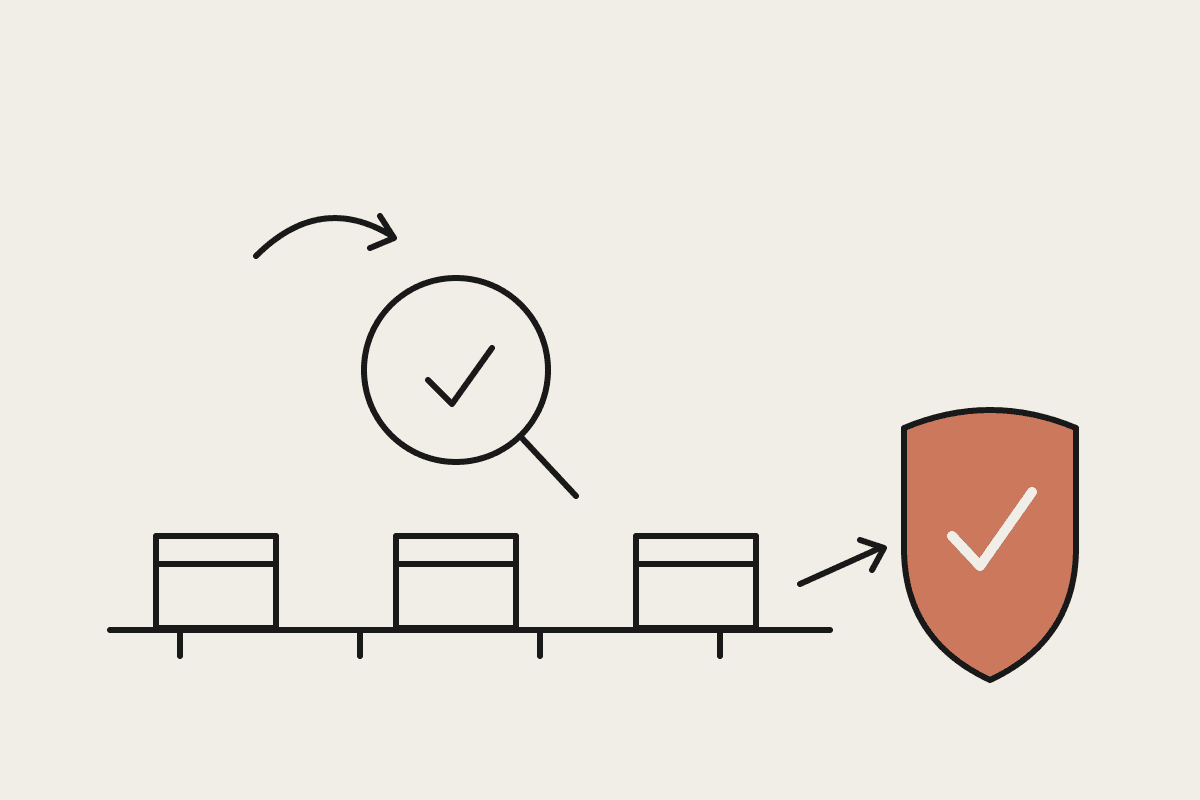
Hold a tested fallback model ready, so a switch is a planned step instead of an emergency.
Keep a short register of which model each automation uses, so you can see your exposure at a glance.
Why a local Claude specialist matters when access changes
When access shifts without warning, the value of a specialist who knows the platform is the speed of the response. A team that has built model-portable automations can re-route a workload to another Claude model in hours rather than weeks. That is the difference between a quiet configuration change and a stalled business process, and it is felt most sharply on the days you did not plan for.
We build automations for Australian companies with portability as a default, so a change to one model never takes a whole workflow down with it. If you want to map where your business is single-sourced and what a fallback would look like, you can start a conversation with us.
Access to a single model can change overnight, and the businesses that handle it best are the ones that prepared before it did. A well-built automation should not depend on one vendor decision made in another country. The goal is a setup where a change like this becomes a small operational task for your team rather than a crisis that halts the work your customers rely on.