Australian professional sports organisations carry a distinctive operational tension. AFL clubs, NRL franchises, A-League sides, and Super Rugby clubs run commercial operations comparable to a mid-sized enterprise, often with 20 to 35 back-office staff covering everything from membership services to sponsor reporting. Claude is proving genuinely useful in this environment: not as a fan-facing chatbot, but as a document and communication tool that slots into existing workflows without requiring engineering resources or infrastructure investment.
The Back-Office Case: Where ROI Is Clearest
Consider a typical A-League club. The commercial and communications team produces weekly sponsor updates, post-match media packs, membership retention emails, and quarterly board papers. With a team of 20 staff carrying broad briefs, that document load accumulates quickly across the season.
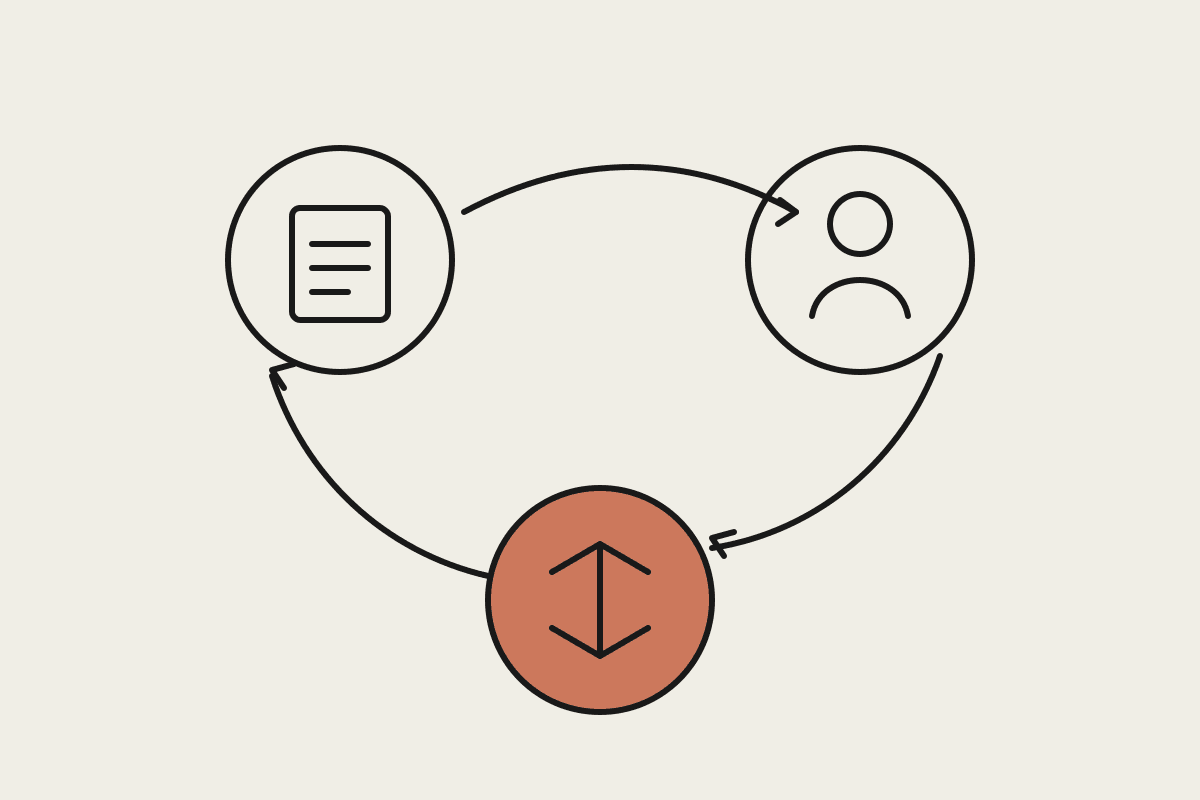
Claude handles the repetitive first-draft work. A media manager who previously spent three hours assembling a post-match report from match data, photographer captions, and coach quotes can cut that to under an hour. At an average salary cost of $95,000 per year for a mid-level communications role, two hours of daily time recovered across three people translates to roughly $90,000 in redirected productive capacity across the season.
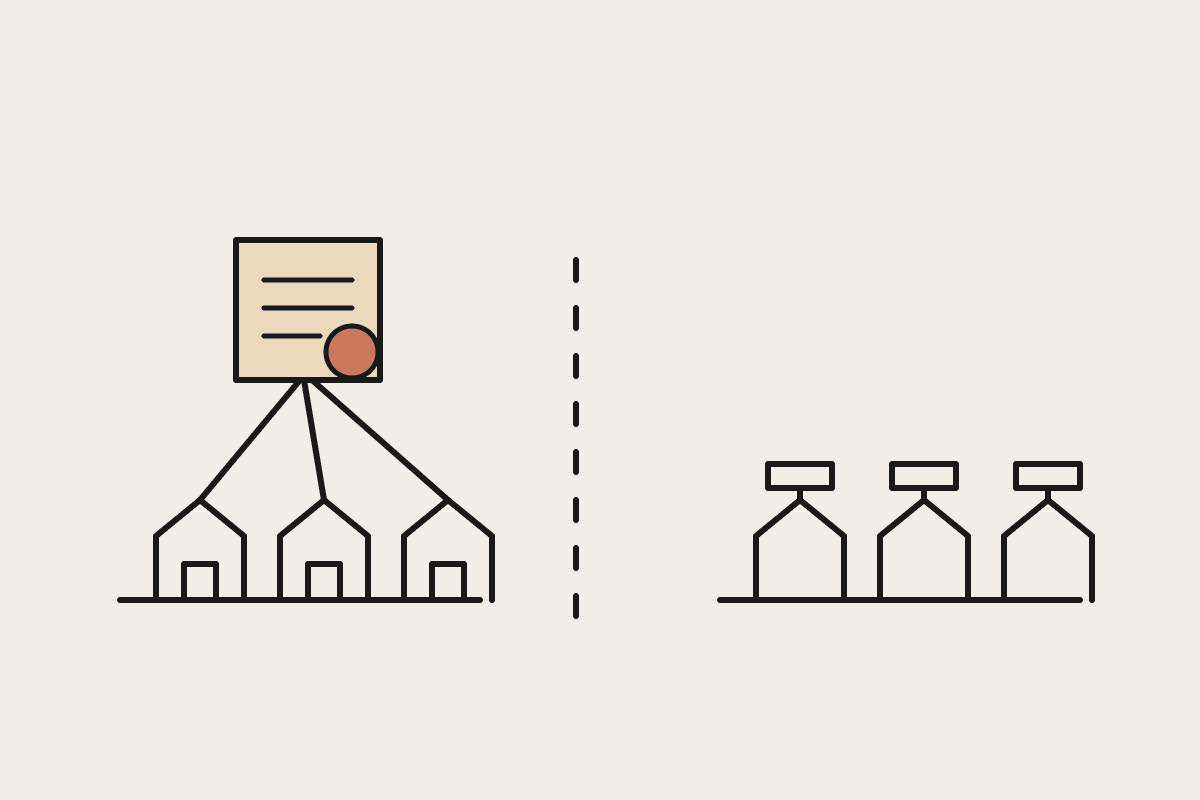
Sponsor reporting follows the same pattern. Most AFL and NRL clubs maintain 10 to 20 commercial partnerships, each requiring monthly and quarterly narrative reports. Claude reads raw data exports, drafts the narrative sections, flags performance highlights, and applies the correct template. The account manager reviews, adds relationship context, and sends. Quality is consistent; production time drops by 50 to 70 per cent.
Fan Engagement: CRM-Driven Personalisation
AFL clubs with 50,000-plus members hold substantial behavioural datasets: scan data, merchandise purchase history, attendance patterns, and email engagement rates. Turning that data into personalised communication at scale has historically required either significant copywriting resource or expensive martech platforms.
Working from CRM segment exports, Claude generates personalised membership reactivation messages, renewal sequences, and upsell copy by audience tier. A lapsed member who attended three games last season receives a different message than a decade-long member who has not yet renewed. An NRL club with a 30,000-member base can run eight audience variants instead of three, at roughly 60 per cent of the previous production cost.
One important boundary: fan-facing AI that appears to speak as a club or individual player carries real reputational risk in the Australian sports context. Supporters have strong authenticity expectations. The practical line is that Claude writes drafts that humans review and approve before sending. That single control removes most of the risk and is straightforward to build into existing approval workflows.
Draft Analysis and Performance Reporting
AFL and NRL clubs invest significant analyst time during draft and pre-season periods. Scouting dossiers, combine data, footage tags, and agency reports are assembled by small teams under real time pressure. Claude is a useful synthesis layer here: feed it a 40-page scouting document and ask it to surface the three key risk flags, the closest comparable player profiles, and the contract market benchmarks from similar drafts. The analyst still watches the footage and builds the relationships. Claude reduces the document-assembly work by 20 to 30 per cent, giving analysts more time on decisions that require human judgment.
At league level, the use cases extend to policy drafting, integrity reporting templates, and board paper preparation. AFL House, NRL headquarters, and Football Australia each manage a small policy team against a large workload. Human review and final sign-off remain non-negotiable on these documents. Claude accelerating the first draft by two or three days is a real operating advantage for teams with that workload profile.
League-Level vs Club-Level: Different Starting Points
The practical path differs meaningfully depending on whether you are working at league or club level. League-level bodies have dedicated IT and compliance capacity. They can engage with Anthropic's enterprise team directly, negotiate data agreements, implement API-based access controls, and build Australian Privacy Act compliance frameworks around specific data flows. That is the right approach when AI is being deployed across a large staff and touching sensitive member or player information.
For clubs operating on budgets of $3M to $6M, the practical path is simpler. A Claude team subscription costs $30 to $50 per user per month. The right starting point is equipping five or six staff who produce the most documents, building a short internal usage policy, and beginning with the lowest-risk tasks.
Start with non-personal data. Match statistics, aggregate attendance figures, and internal document templates are appropriate before you have a formal data policy in place.
Do not paste personally identifiable member data into Claude without reviewing your Australian Privacy Act obligations. Names, contact details, and purchase history sit in a different risk category to aggregate statistics.
Write a short internal usage policy before rolling out to more than four or five staff. One page is sufficient at the club level.
Treat Claude as a first-draft tool, not a final-output tool. Every member-facing communication requires a human review before it is sent.
Track unusual outputs. If Claude produces a factually wrong claim, save the example so your team can refine the prompt templates that generated it.
What the Numbers Look Like for a Mid-Sized AU Club
For a mid-sized AFL club with a $15M operating budget and 25 non-football staff, conservative estimates across the primary use cases look like this: communications and media (three staff, combined payroll of $285,000) sees a 20 to 25 per cent efficiency gain equivalent to approximately $60,000 in recovered capacity. Commercial partnerships (four staff, $400,000 payroll) adds $70,000 at a 15 to 20 per cent gain. Membership and fan engagement (four staff, $360,000 payroll) contributes a similar $65,000.
That is roughly $195,000 in recovered productive capacity at an annual Claude tool cost of under $12,000 for the relevant staff. The arithmetic is not complicated. The harder work is change management: helping a team that has never used an AI tool understand what Claude does well, where it makes mistakes, and how to review outputs before they reach fans, sponsors, or the board. That is where a structured implementation makes the difference between a tool that gets abandoned after three weeks and one that becomes part of how the organisation operates.
If you run a sports club or league body in Australia and want a practical conversation about where to start, book a session with us. We work with Australian organisations to scope AI adoption at a pace that fits your team and budget.