Commercial lease review is one of those jobs that scales badly. A single office or retail lease can run to 60 or 80 pages, and a busy property team in Sydney might have a dozen landing in the same week. The work is not hard in the sense of being novel, but it is unforgiving: miss a make-good obligation or a poorly drafted rent review clause and the client wears the cost for the length of the term. Claude, used carefully, takes the first pass off a lawyer's desk so the expensive human hours go to judgement rather than reading.
This is a practical look at how Australian commercial property lawyers put Claude to work on lease review, what it genuinely helps with, and where the human sign-off stays non-negotiable.
Where lease review actually eats time
When you break down a review, most of the hours are not spent forming a legal opinion. They go on the mechanical work of finding, extracting, and cross-checking. A first-year solicitor billed at $350 an hour reading a lease end to end to build a summary table is an expensive way to do data entry.
The repetitive parts usually include:
Pulling key commercial terms into a schedule: term, options, commencement rent, review mechanism, outgoings, permitted use.
Flagging clauses that sit outside market norms, such as ratchet rent reviews or uncapped outgoings.
Checking internal consistency, for example whether the defined terms match how they are used later in the document.
Cross-referencing the lease against a disclosure statement or an agreed heads of agreement.
Producing a plain-language report a client can actually read before they sign.
Every one of those tasks is pattern-matching over text. That is exactly the kind of work Claude handles quickly and consistently, and it is where a review of 20 leases starts to cost the same per unit as a review of two.
What Claude does well on a commercial lease
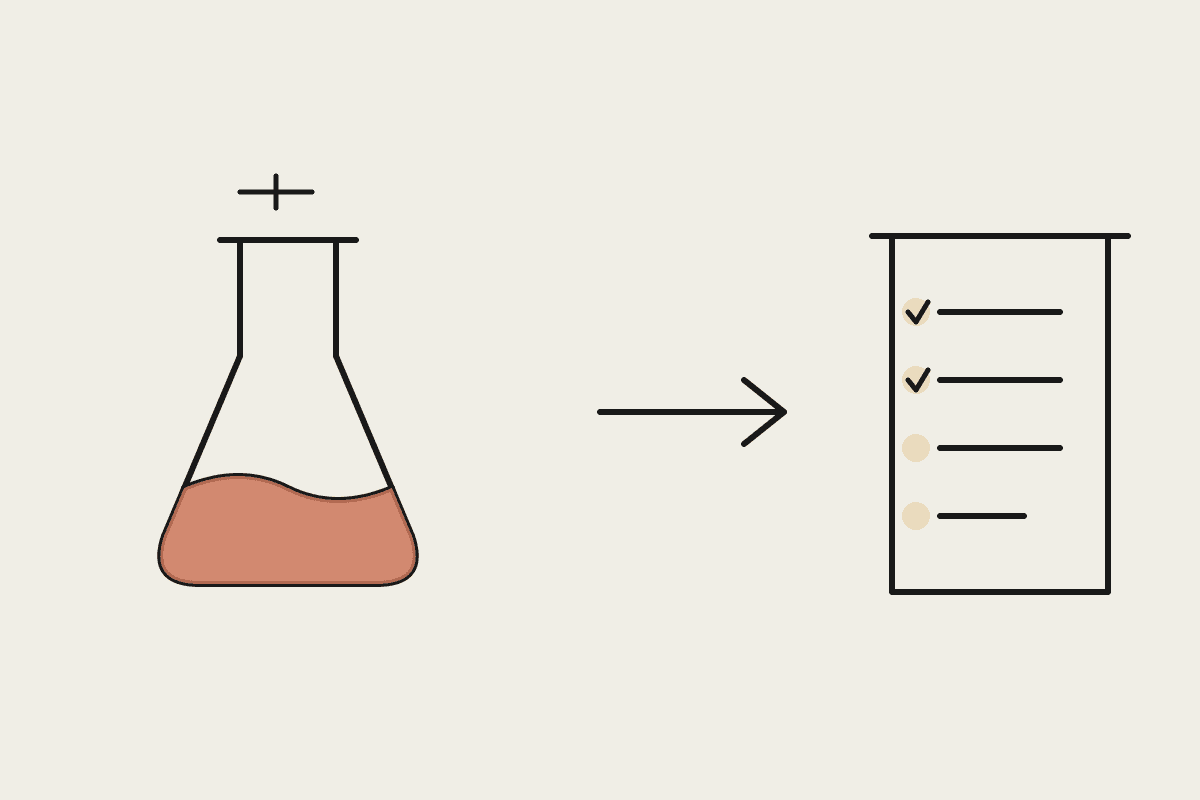
Give Claude the full lease as a document and a clear brief, and it will build the first-draft summary schedule in minutes rather than hours. The lawyer then checks and corrects, which is far faster than starting from a blank page.
The strongest use cases we see with Australian firms are:
Clause extraction and summarisation: turning a rent review clause into a one-line description of the mechanism and its risk.
Comparison against a firm precedent: asking Claude to note every point where a landlord's lease departs from the firm's preferred position.
Plain-English client notes: rewriting a dense clause into two sentences a retail tenant can understand.
Question answering across the document: asking what happens at the end of the term, and getting an answer that cites the make-good and holding-over clauses.
Because Claude works from the text you give it, its answers are grounded in the actual lease rather than a generic template. For a firm dealing with the NSW Retail Leases Act and its disclosure requirements, that specificity matters. The model can be asked to check whether the lease is consistent with the disclosure statement and to list the discrepancies for a lawyer to verify.
Keeping it defensible: privilege, accuracy, and sign-off
A lease review is legal advice, and the professional obligations do not soften because a model helped produce the draft. Three points keep the workflow safe.
First, accuracy. Claude can misread a cross-reference or overstate a risk, so its output is a draft to be checked, never advice to be sent. The lawyer who signs the report owns every line of it. In practice the firms getting value treat Claude's schedule as they would a graduate's first attempt: useful, quick, and reviewed before it leaves the building.
Second, confidentiality. Lease documents carry client information covered by the Privacy Act 1988 and by the firm's duty of confidence. That means using Claude through a business arrangement where inputs are not used to train the model, and setting clear internal rules about what can be uploaded. This is a solvable governance question, not a reason to avoid the tool.
Third, a clear record. Note where a model assisted, keep the human review step, and make sure the file shows a lawyer formed the opinion. That record is what protects the firm if a clause is ever disputed.
A practical rollout for a mid-size firm
You do not need a large project to start. A sensible first step is to pick one lease type, say retail leases under 300 square metres, and build a single well-tested brief that produces the summary schedule your team already uses. Run it in parallel with the existing manual process for a fortnight so lawyers can compare the drafts against their own work and build trust.
The numbers add up quickly. If a firm reviews 15 commercial leases a month and Claude saves two hours of junior time on each, that is 30 hours a month. At a blended cost of roughly $180 an hour, the firm frees up around $65,000 of capacity a year, which can be redirected to higher-value advisory work or to taking on more matters without hiring. Even a conservative version of that estimate pays for the tooling many times over.
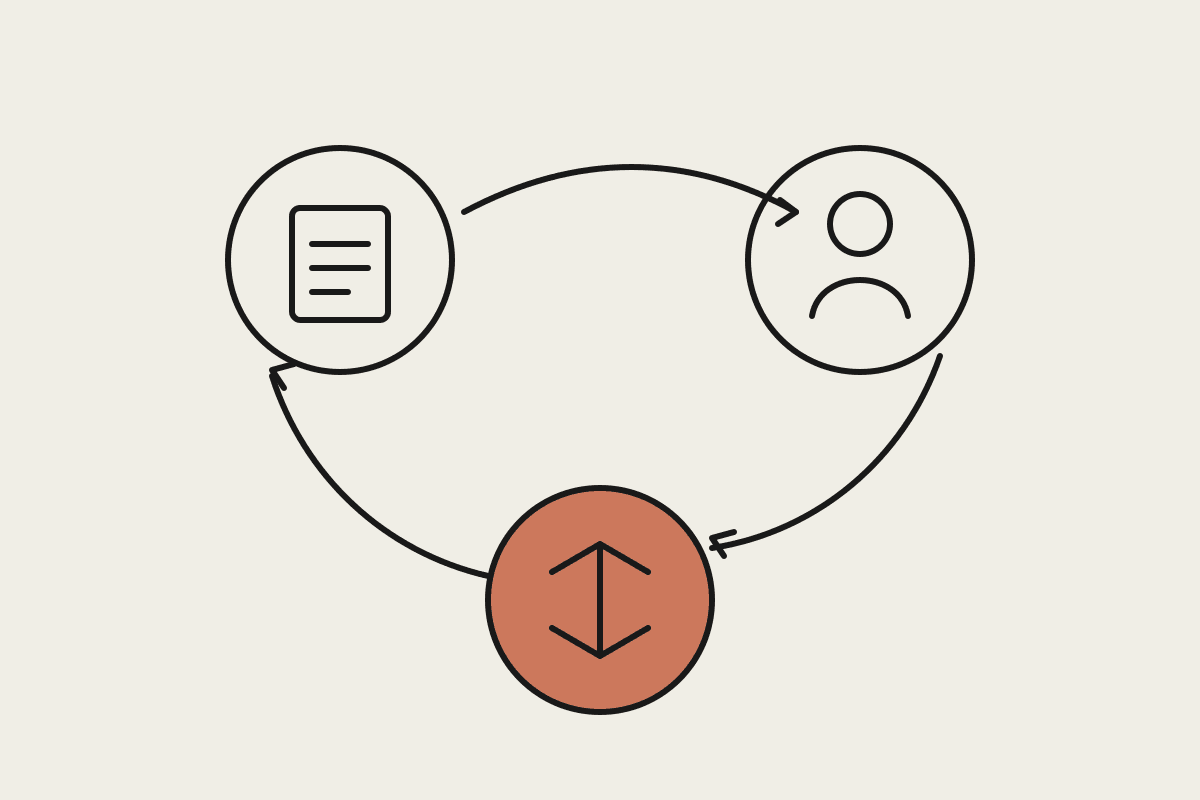
The point is not to replace the property lawyer. It is to stop paying qualified people to read for extraction when their judgement is the scarce, valuable part. Claude reads; the lawyer decides.
If you run a property or commercial team and want to see what a reviewed, defensible lease-review workflow looks like for your firm, we are happy to map it out with you. Book a short session and we will walk through it against one of your own lease types.