A display suite lives or dies on follow-up speed. A buyer walks a $850,000 two-bedroom off the plan on a Saturday, asks three questions the agent cannot answer on the spot, and by Tuesday has put a deposit on a competing project two suburbs over. The enquiry was never the problem. The gap between the enquiry and a confident, accurate reply was.
Development sales teams in Sydney, Melbourne and Brisbane run lean. One project marketer and two sales agents might carry a $180 million tower from launch to sell-out. Property portals, launch-weekend walk-ins, email campaigns and referral partners all pour enquiries into the same inbox, and every one of them expects a same-day answer. Claude sits behind that inbox and does the reading, drafting and record-keeping that used to eat the agent's evening.
Where buyers leak out of the pipeline
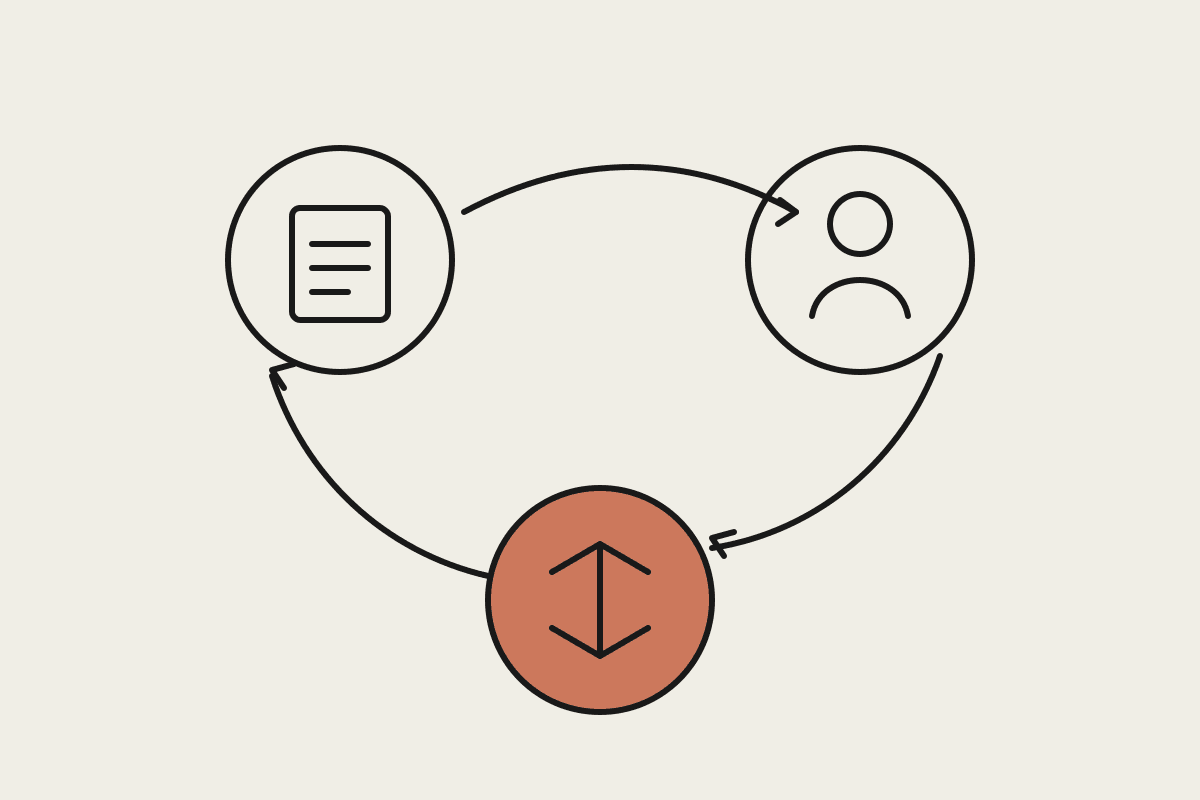
The path from enquiry to contract is short on paper and leaky in practice. It usually runs enquiry, qualification, follow-up, reservation, then contract exchange. Buyers fall out at predictable points:
Slow first reply. A portal enquiry that waits four hours has often already been sent to three other projects.
Unanswered detail questions. Strata levies, car-park allocation, settlement timing and finished-floor levels all sit in the documents, but nobody has time to look them up mid-conversation.
Follow-up that stops after the second touch. Off-the-plan buyers often need six to eight contacts across several months before they reserve.
Contract friction. A 120-page contract of sale with a sunset clause and a disclosure statement unsettles buyers who do not understand what they are reading.
What Claude actually does in a sales suite
Claude is not a chatbot bolted to the website. It is a working assistant the sales team briefs on the project once, then calls on all day. Give it the information memorandum, the price list, the contract of sale and the finishes schedule, and it answers from those documents rather than guessing.
Answers buyer questions from the project's own documents
When an agent pastes a buyer's email, Claude drafts a reply grounded in the actual contract and price list. Ask whether apartment 1204 still includes the $15,000 upgrade package, and it checks the schedule instead of improvising. Because the answer is drawn from the source documents, the agent reviews and sends rather than researches and writes. A reply that took twenty minutes now takes two.
Keeps the CRM honest
After a walk-through, an agent talks into their phone for thirty seconds. Claude turns that into a clean CRM note, tags the buyer's budget and preferred aspect, and drafts the next follow-up in the sequence. The developer and the financier get an accurate read on sales velocity because the data actually gets entered.
Drafts the follow-up nobody has time to write
Claude writes stage-matched follow-ups: a warm thank-you after a first visit, a nudge with the updated price list when two floors sell out, a plain-English walk-through of the contract for a buyer who has gone quiet. Every draft sounds like the agent rather than a template, because Claude works from the agent's own past messages.
A launch weekend, costed
Consider a boutique Brisbane project: 90 apartments, a three-agent team, and roughly 400 enquiries across launch weekend. Historically the team replied to about 60 percent within a day and let the rest cool. At an average sale price of $780,000 and a project-marketing budget near $50,000, even one recovered sale covers the whole quarter of tooling many times over.
With Claude drafting first replies and follow-ups, the same three agents cleared every enquiry inside the day and kept eight buyers warm who would otherwise have been dropped. The point is not that software sells apartments. Agents sell apartments. The point is that the agents spent the weekend talking to buyers instead of typing at midnight.
Getting the compliance settings right
Property sales carry real obligations, and an assistant that ignores them adds risk rather than removing it. A few settings matter before Claude touches a live enquiry:
Foreign buyers. Approval and additional duties apply to overseas purchasers, so Claude flags these buyers for the agent rather than advising on eligibility itself.
Vendor disclosure. Contract and disclosure requirements differ by state, so the project's own approved documents are the only source Claude answers from.
Privacy Act. Buyer contact details and financial notes are personal information, so the sales team keeps that data inside approved systems and Claude is not asked to store it elsewhere.
AUSTRAC. With anti-money-laundering obligations extending to more of the property sector, Claude can help draft and log customer-identification records, but a person signs off on them.
None of this is advice the assistant gives to buyers. It is guardrails the sales team sets so that speed never comes at the cost of a compliance breach.
How to start without betting the launch on it
The lowest-risk way in is a single project and a single job. Point Claude at one tower's enquiry inbox, have it draft replies for a fortnight while agents review every message before it goes out, and measure two numbers: time to first reply, and the share of enquiries that get a second and third contact. If both improve, widen it to the next project.
We help Australian developers and project marketers set this up on their own documents, with the compliance guardrails built in from day one. If you are running a launch and losing buyers to slow follow-up, book a short call and we will map your enquiry-to-contract path and show you where Claude fits.