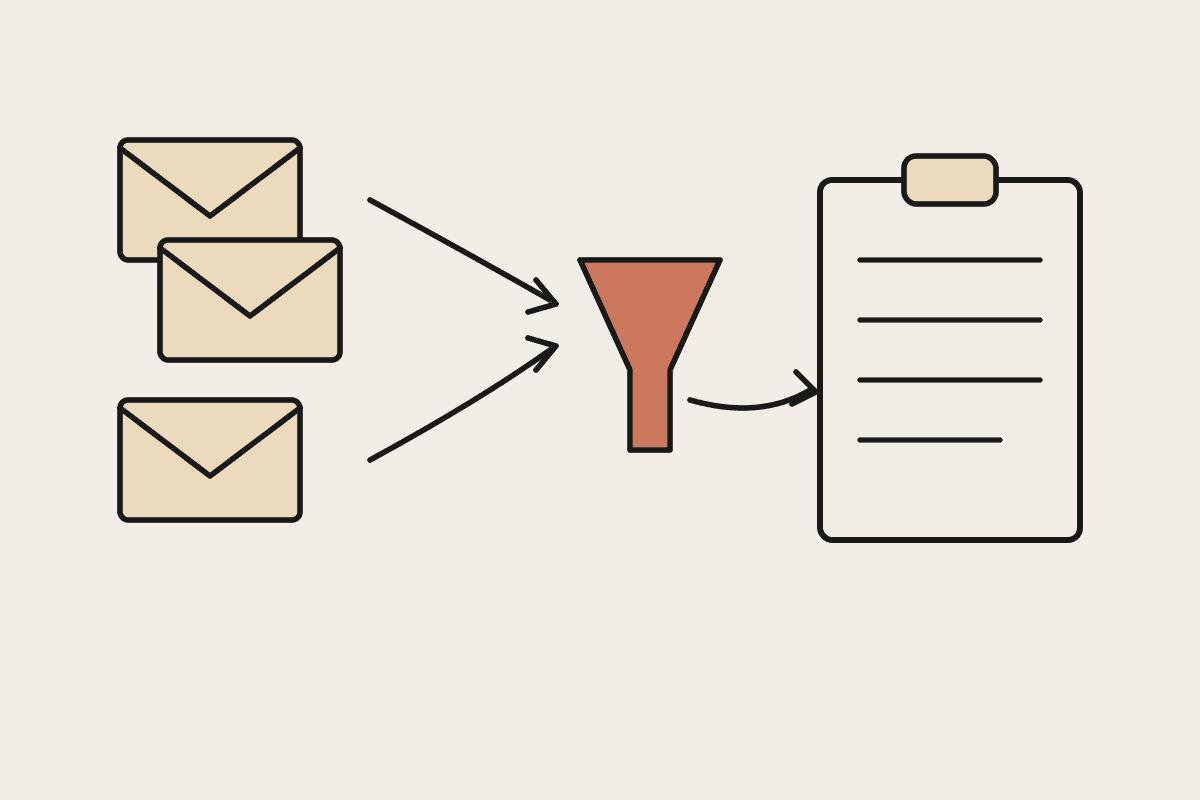
Ask any event venue coordinator in Sydney or Melbourne where their week goes, and the answer is rarely the events themselves. It is the enquiries. A wedding query lands in the shared inbox at the same moment a corporate booker sends a web form, a birthday request arrives as an Instagram DM, and a caterer emails about access times for Saturday. Each one needs a reply, and each reply needs the right details pulled from three different systems.
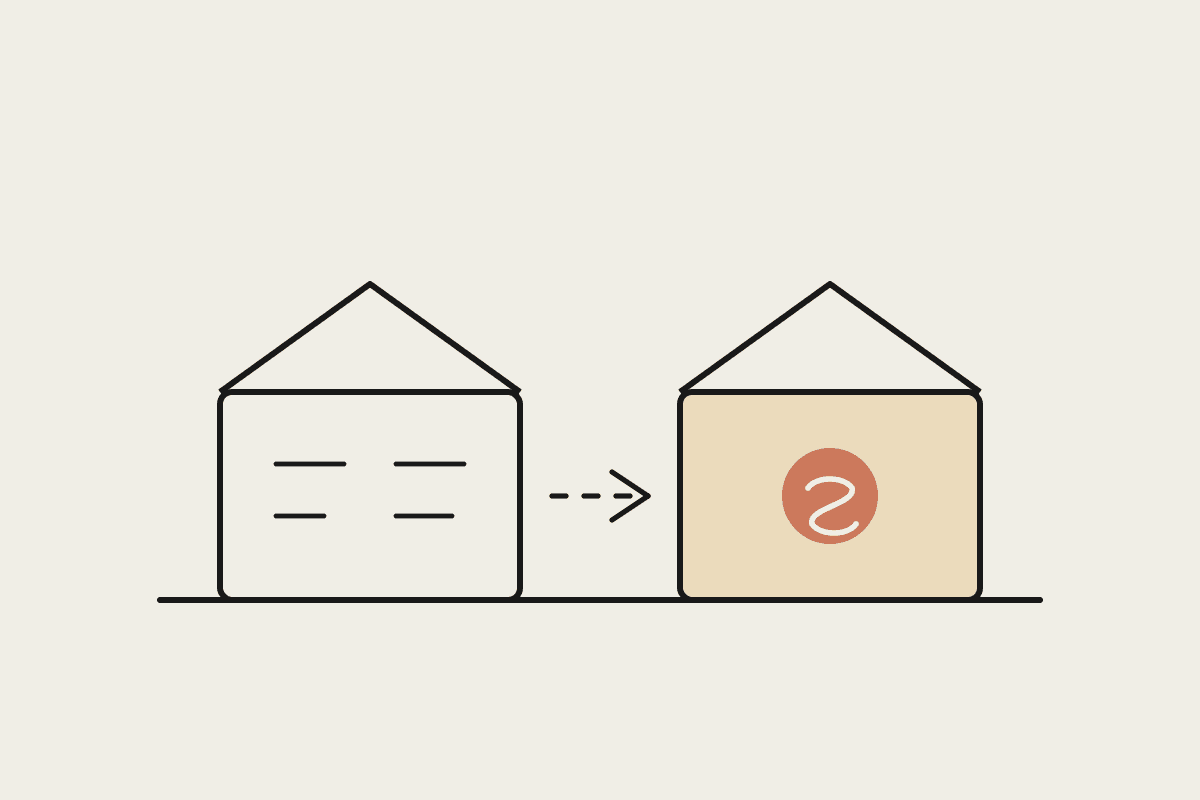
Claude can sit in front of that flow and do the first pass: read every enquiry, sort it, draft the reply, and turn a confirmed booking into a run sheet the floor team can actually use. Not to replace the coordinator, but to hand them a triaged queue instead of a cold inbox.
Where the enquiry backlog actually costs you
A mid-size function venue running two or three spaces will field somewhere between 40 and 120 enquiries a week across peak season. Most are never going to book. The problem is that you cannot tell which is which until someone reads each one, checks the calendar, and works out whether the date, headcount and budget line up.
A part-time bookings coordinator on $45,000 a year spends a large slice of that salary simply routing messages and re-typing the same availability answers. When response times slip past a day, the higher-value enquiries, the ones worth $8,000 to $25,000 in room hire and catering, quietly go to the venue down the road that replied first.
Triage: sorting enquiries before a human touches them
The first job is classification. Claude reads each incoming message, whatever channel it came through, and extracts the structured facts a coordinator would otherwise hunt for by hand. From a two-line email it can pull the event type, the requested date, the rough guest count, the budget signals, and how urgent the sender sounds.
With those facts in hand, Claude can tag and prioritise the queue so the person opening the inbox sees the ready-to-quote enquiries at the top. A typical setup has Claude handle:
Reading enquiries from email, web forms and social messages and normalising them into one consistent format
Extracting event date, guest numbers, event type, and any stated budget or dietary notes
Flagging date clashes against the live booking calendar before a human replies
Drafting a first-response email that answers the obvious questions and asks for the two or three details still missing
Sorting the queue so hot, warm and out-of-scope enquiries are visibly separated
The draft reply matters more than it sounds. Most enquiry emails stall because the coordinator has to look up availability, pricing tiers and minimum spends before they can respond. If Claude has already pulled those into a draft, the human is editing and sending in under a minute rather than starting from a blank screen.
From confirmed booking to run sheet
Triage handles the front of the funnel. The back end is the run sheet: the single document that tells the floor team, kitchen and duty manager what is happening on the day and when. Building one by hand for every event is repetitive, and repetitive is exactly where mistakes creep in.
Once a booking is confirmed, Claude can generate a draft run sheet from the booking record: arrival and pack-down times, guest count, room configuration, catering timings, AV requirements, and any special requests captured back in the enquiry. The coordinator reviews and adjusts rather than composing from scratch, which cuts a 30-minute task to about five.
Because the run sheet is built from the same structured details Claude captured at enquiry stage, the information carries through cleanly. The dietary note a guest mentioned in the first email does not get lost between the booking form and the kitchen.
Keep a human on the decisions that matter
Two things stay firmly with your team. The first is any final quote or contract: Claude drafts, a person approves and sends. The second is judgement on the awkward enquiries, the ones with a tricky date, an unusual request, or a budget that needs a conversation rather than a form reply.
There is also a compliance angle worth naming. Enquiries and bookings contain personal information, and under the Australian Privacy Act you are responsible for how that data is handled. A sensible build keeps customer data inside systems you control, logs what the assistant did with each enquiry, and never sends an external message without a human in the loop. Those are guardrails we set up as standard, not afterthoughts.
A sensible first build
You do not need to automate the whole venue on day one. The highest-return starting point is enquiry triage alone: connect the shared inbox, let Claude classify and draft, and leave sending with the coordinator. Most venues see the response-time problem ease within the first fortnight, which is usually where the lost bookings were hiding.
Run sheet generation is a natural second step once the enquiry data is flowing cleanly. Built in that order, the investment is modest and each stage pays for itself before you commit to the next.
If you run a function space and want to map out where an assistant like this fits your workflow, book a short brainstorm and we will sketch a first build around how your venue actually takes enquiries.