Statement of Advice documents are where an Australian financial advice practice quietly loses its margin. A single comprehensive SOA can take an adviser or paraplanner six to eight hours to build, and review season compresses dozens of client renewals into the same short window. Claude, the AI assistant made by Anthropic, can take on a real share of that drafting and preparation work while the adviser stays fully responsible for the advice itself.
Where review season hours actually go
Most of the cost in advice production is not the thinking. It is the assembly. An adviser forms a view quickly in the client meeting, then spends hours turning that view into a compliant, readable document and getting ready for the annual reviews that cluster through the July to October stretch. The work breaks down into a handful of repeatable tasks.
Pulling the fact-find, risk profile and existing product details into one place
Drafting plain-English explanations of strategy, product and fee comparisons
Assembling review packs and updated numbers for each ongoing-fee client
Preparing Fee Disclosure Statements and consent renewals for the review meeting
Checking the file against Best Interests Duty and ASIC record-keeping expectations
None of that is advice. It is document work sitting on top of advice, and it is exactly the kind of structured, repeatable drafting Claude is good at.
What Claude drafts, and what stays with the adviser
The line matters, so it is worth drawing clearly. Claude produces first drafts and preparation material. The adviser reviews, corrects and signs. Best Interests Duty under the Corporations Act cannot be handed to software, and we never suggest it should be. What Claude changes is how long the adviser spends on the mechanical parts before that judgement is applied.
First-pass SOA drafting
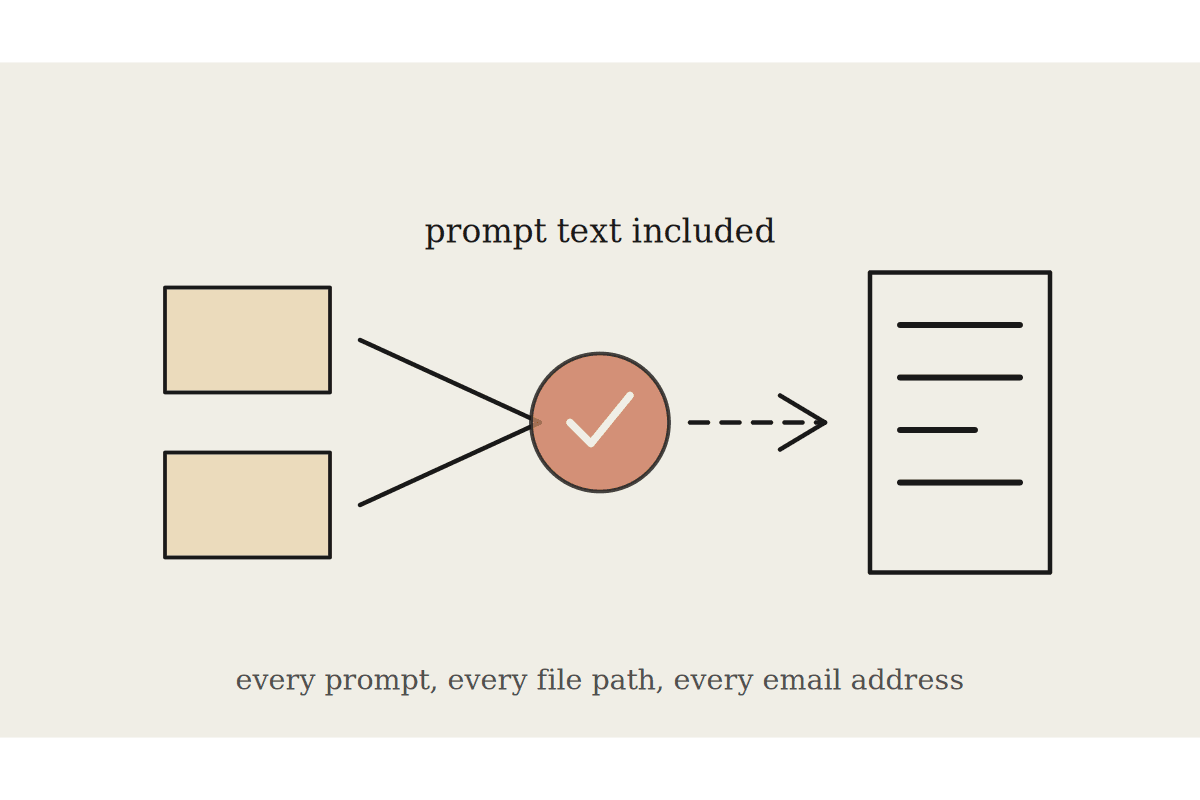
Give Claude the fact-find, the strategy notes and your approved template, and it returns a structured SOA draft in your practice's own language and format. It writes the background, scope, strategy rationale and risk sections, formats the product and fee comparisons, and flags anything in the file that looks inconsistent or missing. The adviser opens a near-complete draft instead of a blank page.
SOA and ROA first drafts built from your fact-find and approved templates
Plain-English rewrites of technical strategy sections for client readability
Review summaries that compare last year's position to this year's
Draft agendas and follow-up emails for each annual review
A checklist of missing documents or file notes before the meeting
Review season preparation
Review season is where the time saving compounds. Each ongoing-fee client needs an updated picture, a meeting, and clean documentation of the fee arrangement. Claude can prepare the client-by-client packs in a fraction of the usual time, so the adviser walks into each meeting ready rather than spending the night before catching up on file notes.
A worked example: a 200-client book
Consider a Sydney practice with 200 ongoing-fee clients and two advisers. Suppose each annual review takes about 90 minutes of preparation across the paraplanner and adviser. Move the first-draft work to Claude and that preparation drops to roughly 30 minutes of human time per client, spent checking and refining rather than assembling.
That is about one hour saved per client. Across 200 clients it returns close to 200 hours in a single review season. At a loaded cost of around $90 an hour, that is roughly $18,000 of capacity handed back to the practice, without hiring. On the SOA side, cutting a typical eight-hour build to about five hours saves three hours on every new piece of advice, which for a practice writing 150 SOAs a year is another 450 hours.
The point is not that Claude replaces anyone. The same team can serve more clients properly, and the advisers spend their time on advice rather than formatting. For most practices that returned capacity is worth far more than the cost of setting the system up.
Keeping client data compliant and private
Financial advice files hold some of the most sensitive information a client will ever share, and the Privacy Act sets a high bar for how it is handled. Any use of Claude in an advice practice has to respect that from the first day.
Client data is used to draft your documents, not to train public models
Every draft is reviewed and signed by a licensed adviser before it goes out
The file keeps a clear record of what was generated and what was changed
Sensitive identifiers can be minimised or masked in the drafting step
The workflow fits inside your existing AFSL supervision and record-keeping
This is also where we are deliberately conservative. Claude does not provide financial advice, does not make product recommendations on its own, and does not decide what is in a client's best interests. It drafts, compares and prepares. The adviser and the licensee stay accountable to ASIC for the final document, exactly as they are today.
Getting started without disrupting the practice
You do not need to rebuild your systems to start. A typical first step is a fixed-fee setup, priced at $3,500, that maps one or two high-volume documents, connects Claude to your templates, and gives your team a tested process for SOA drafts and review packs. From there it extends to the parts of the workload that cost you the most time.
If you run an Australian advice practice and review season already feels like the busiest quarter of the year, it is worth a conversation before the next one arrives. Book a short brainstorm with us and we will map where Claude fits in your process and what it would give back.