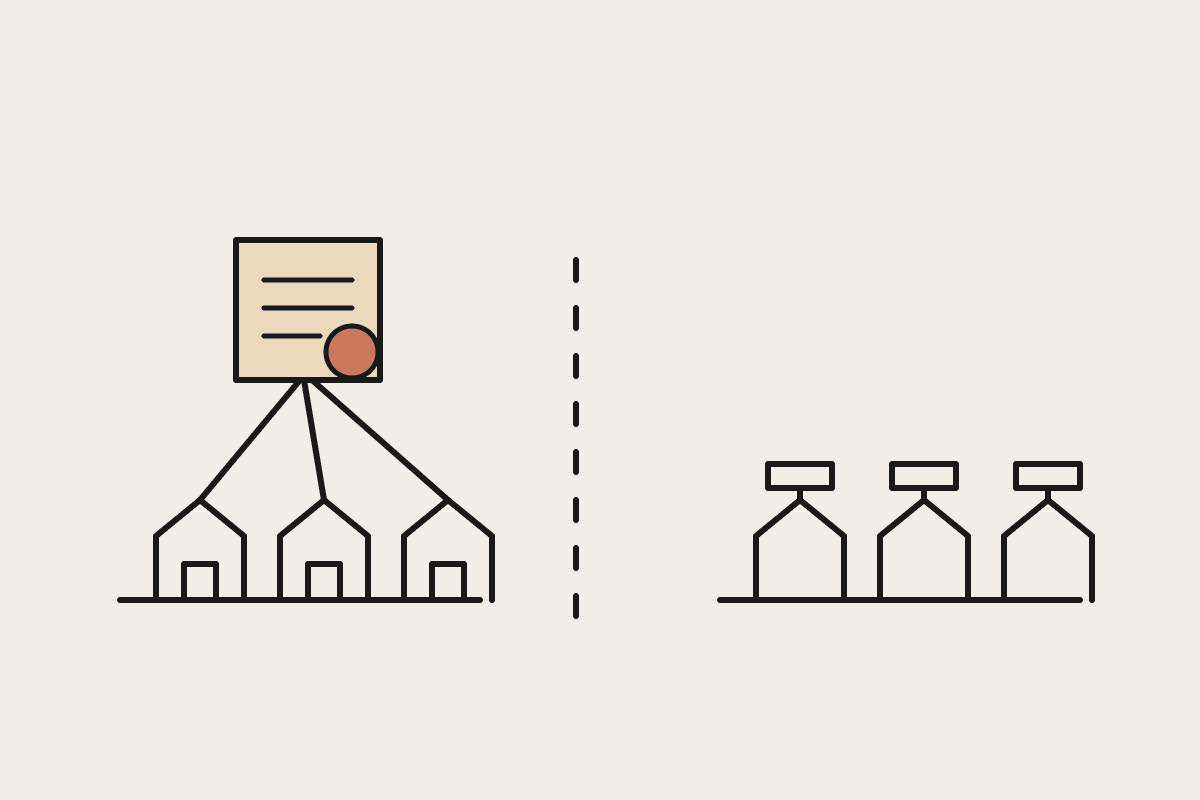
A holiday rental manager running twenty properties across the Sunshine Coast or the NSW South Coast is really running twenty small hotels with no front desk. Every changeover day brings the same questions from new guests, the same coordination problem with cleaners, and the same risk that a double-booked turnover turns into a one-star review before the next guest has even checked in. That front desk still has to answer emails at 11pm when a guest can't find the key lockbox, and it still has to solve a same-day changeover when a departing guest wants a late checkout and the incoming guest wants an early check-in on the same property.
Most Australian property managers we talk to are running this on a mix of text messages, a shared spreadsheet, and whichever platform's inbox they happened to check most recently. Claude is a practical fit here because the two hardest parts of the job, guest messaging and turnover scheduling, are both language and logistics problems, not engineering problems.
Where the admin hours actually go
Guest messages are repetitive by nature. Across a portfolio of twenty to thirty listings, a manager will field the same handful of questions dozens of times a week, just phrased differently and arriving from different platforms at different hours. Connected to your inbox and booking calendar, Claude can draft or send replies to the questions that make up most of that inbound volume, in your voice, referencing the correct property details automatically. The volume is the issue, not the difficulty of any single reply. A manager fielding forty near-identical questions a week loses the equivalent of a full working day to typing, even when every answer takes under two minutes.
Check-in instructions, gate codes and parking details, pulled from the correct property record rather than copied from memory
Early check-in and late check-out requests, checked against the actual turnover schedule before a yes goes out
WiFi passwords, appliance instructions and "where's the nearest supermarket" questions
Damage or maintenance reports from guests, triaged and routed to the right tradesperson or cleaner
Review responses drafted within the review window, instead of three weeks late
None of this needs a guest to know they are talking to an AI system. The point is that the manager reviews and approves rather than typing the same answer from scratch for the fortieth time this month.
Turnover scheduling: the part that breaks under pressure
Guest messaging is the visible problem. Turnover scheduling is the one that actually costs money when it goes wrong. A same-day changeover with a late checkout and an early check-in gives a cleaning team a two-hour window with zero margin for error. Get the sequencing wrong across a portfolio and you are looking at a guest standing outside a property that still has yesterday's linen in the machine. Multiply that two-hour window across a portfolio spread from Byron Bay to the Southern Highlands and a single scheduling clash can cascade into two or three properties running behind on the same afternoon.
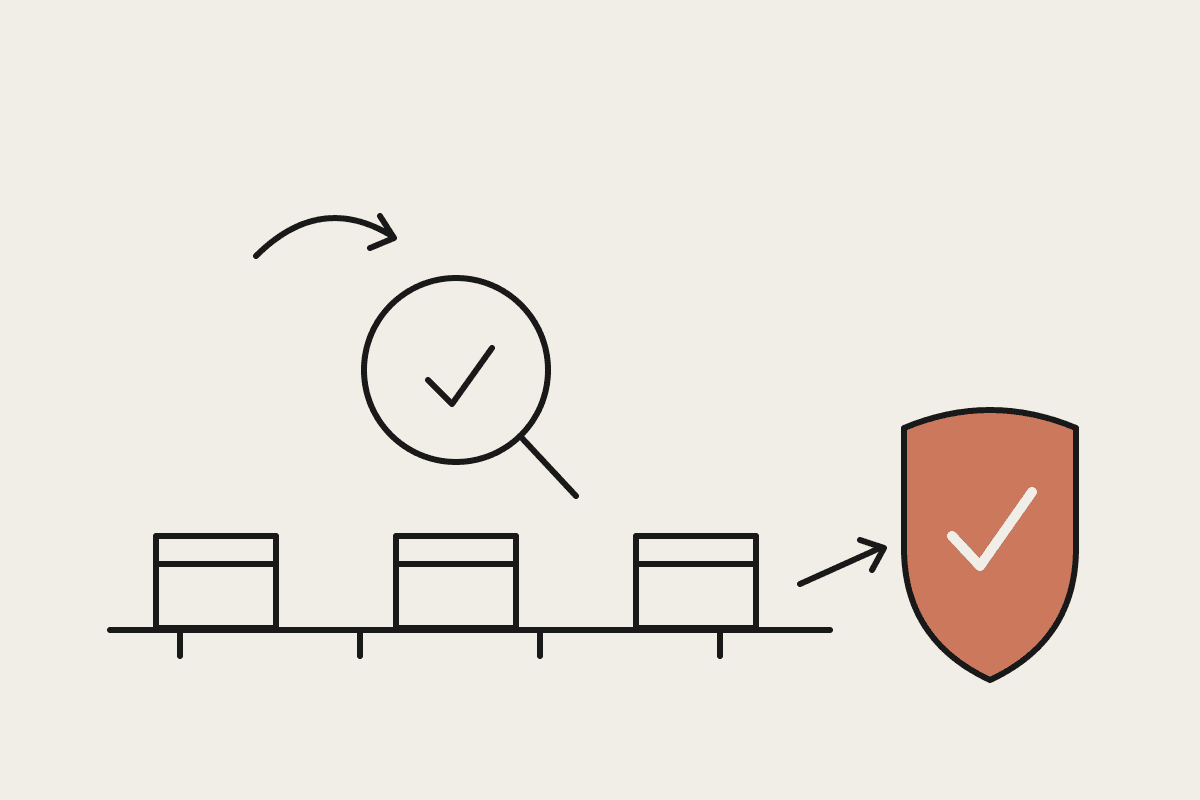
Cross-referencing checkout and check-in times against cleaner and maintenance availability for every property, every day
Flagging same-day turnovers that need a second cleaner or a compressed schedule before they become a problem
Tracking linen, consumables and maintenance items per property so restocking is scheduled, not reactive
Sending the day's run sheet to cleaning contractors automatically each morning
For a manager running a $2.5M portfolio of coastal properties, the cost of turnover admin is not abstract. A property manager we spoke to in Sydney estimated they were spending close to $45,000 a year in staff time just coordinating cleaners and answering the same guest questions, before accounting for the lost bookings that come from a slow or wrong reply during peak season. That is the number that usually gets an owner's attention, more than any efficiency argument.
Setting this up without a dev team
This does not require custom software. Claude connects to the tools most Australian property managers already run, including your booking platforms, email, calendar and messaging apps, through Claude Cowork or a small set of connectors built for your stack. The build is closer to configuration than engineering.
Map your property details, house rules and FAQs into a knowledge base Claude can reference for every reply
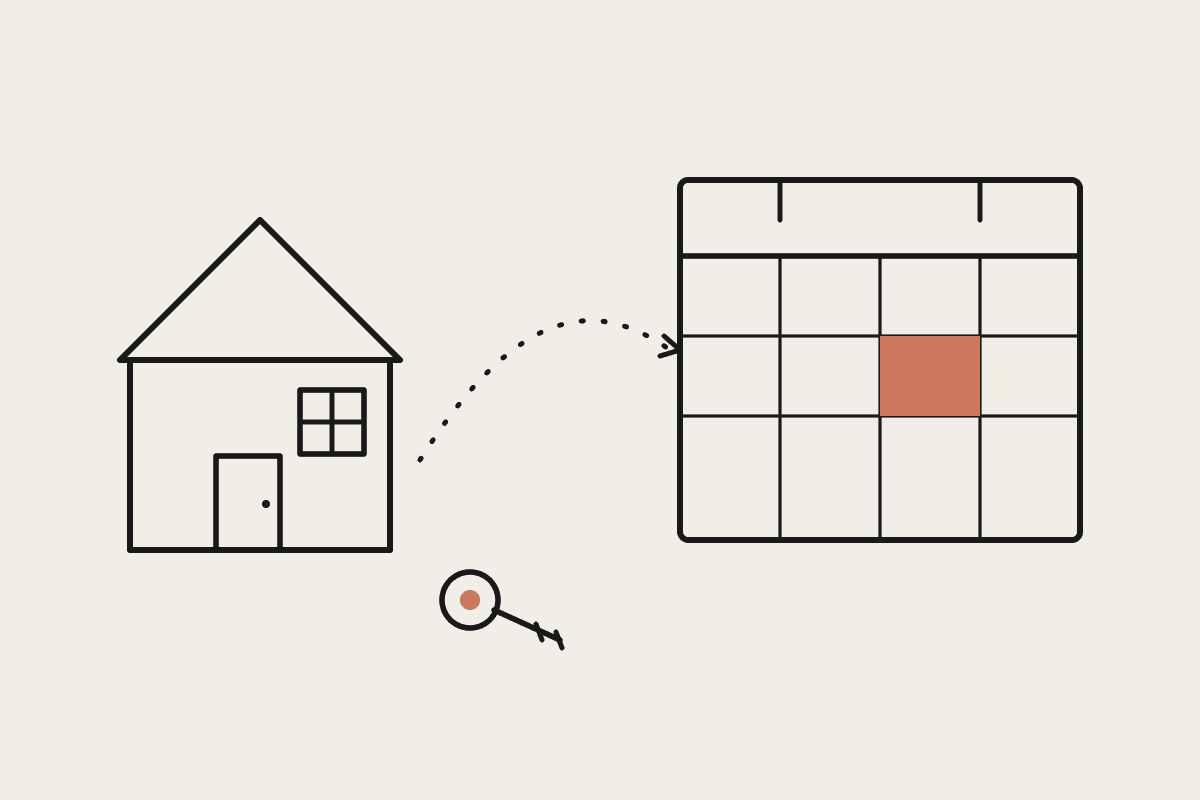
Connect your booking calendar so turnover conflicts are flagged automatically, not discovered by a cleaner at the front door
Set approval rules for what Claude can send directly and what needs a human check first, particularly for refund or compensation requests
Review guest data handling against the Privacy Act, especially where booking platforms pass through ID or payment details
Start with one portfolio segment, run it for a month, then expand once the guest reply patterns and turnover rules are proven. Most Australian managers we work with are fully live within three to four weeks, with the guest messaging layer running in week one and turnover scheduling layered in once the reply patterns are trusted.
If you are managing a growing portfolio and the admin load is starting to outpace what a small team can absorb, we run a free AI solutions brainstorm to map out where Claude fits your booking and cleaning workflow before you commit to anything.