Insolvency work runs on paper. Every external administration in Australia arrives as a mountain of it: bank statements, general ledgers, contracts, director questionnaires, proofs of debt, and the statutory reports ASIC expects on a fixed clock. For a small or mid-size firm, the reading and drafting load is the job, and it rarely scales down with the fee. Claude changes the economics of that reading load without changing your judgment, your independence, or your sign-off.
This is not about replacing a registered liquidator or a trustee. It is about getting the first eighty percent of the reading, sorting, and drafting done faster, so the practitioner spends their hours on the decisions only they can make.
Where the document load actually sits
The volume is rarely in the final report. It is in everything you have to read before you can write a single defensible sentence. A typical administration lands with hundreds of pages that all need at least one careful pass:
Books and records: ledgers, bank statements, and reconciliations that have to be checked for gaps, related-party flows, and unusual timing.
Proofs of debt: dozens or hundreds of creditor claims to log, cross-check against the ledger, and adjudicate.
Director and officer material: questionnaires, statements of affairs, and correspondence that inform the investigation.
Statutory reporting: the report to creditors and the reports ASIC expects, each drawing on the same underlying facts.
Contracts and leases: agreements that decide what can be disclaimed, assigned, or recovered.
A mid-size administration can absorb $12,000 to $18,000 of staff time in reading and first drafts alone, before a partner has formed a view. That figure is where the pressure on margin comes from, and it is exactly the part Claude is good at.
What Claude takes off the desk
Claude reads long documents well and holds a lot of context at once, which suits the work. Four tasks stand out as safe, high-value starting points.
Summarising books and records
Point Claude at a set of bank statements and ledgers and ask for a plain summary of cash movements, the largest counterparties, payments to related entities, and anything that looks out of pattern in the months before appointment. You still verify every figure that matters, but you start from a structured picture instead of a blank page.
Drafting the statutory report
Give Claude your firm's report template, your notes, and the underlying facts, and it will produce a first draft of the report to creditors in your house structure. It is a starting draft to correct and sign off, never a finished document, but it removes the slow part of turning a folder of findings into readable prose.
Adjudicating proofs of debt
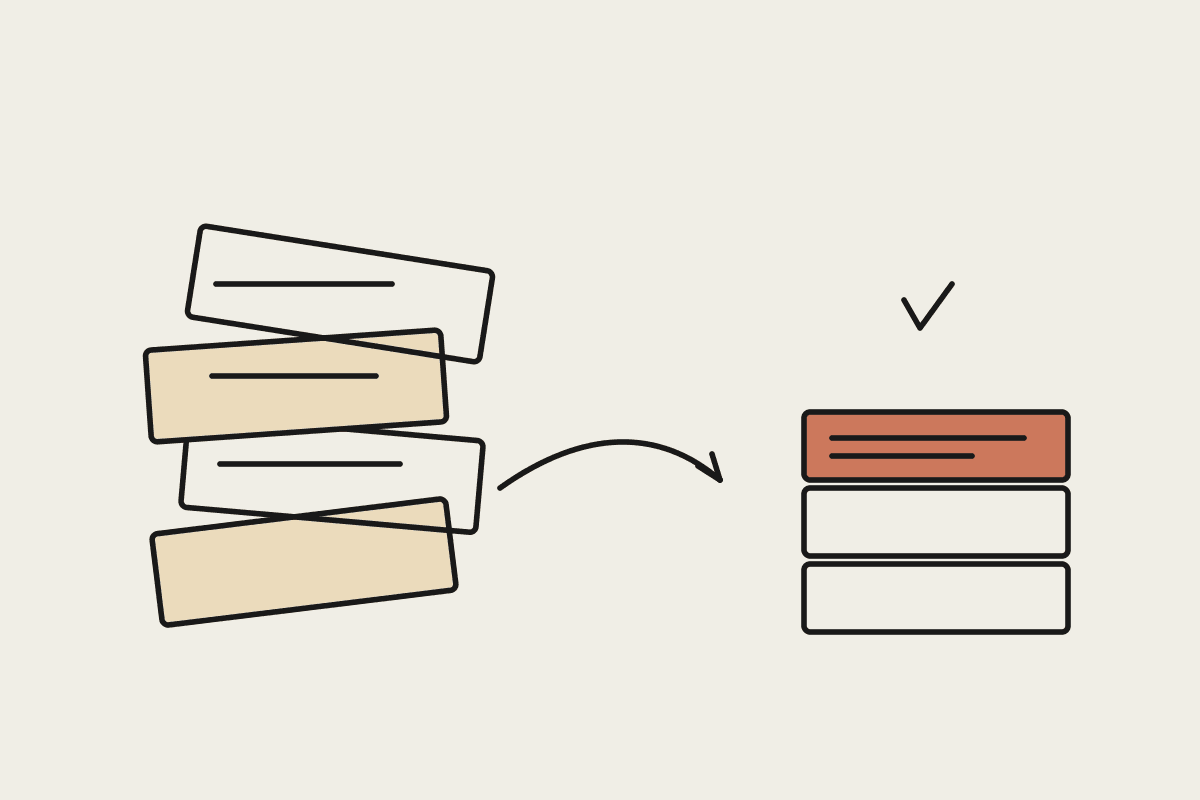
Claude can log incoming claims into a consistent table, flag each one against the ledger balance, and mark the claims that need a human decision because the amounts do not agree or the supporting evidence is thin. The adjudication stays with you; the sorting does not.
First-pass contract review
Ask Claude to read a lease or supply agreement and pull the termination rights, personal guarantees, retention-of-title clauses, and change-of-control triggers into a short brief. That gives the practitioner the shape of the document in minutes rather than an afternoon.
The compliance line you cannot cross
Insolvency is a regulated appointment, and using Claude does not change any of your obligations. A few rules keep the work safe.
The practitioner owns every conclusion. Claude drafts and summarises; it does not adjudicate claims, form opinions on insolvency, or sign anything. Your duties under the Corporations Act 2001 and the ARITA Code of Professional Practice sit with you.
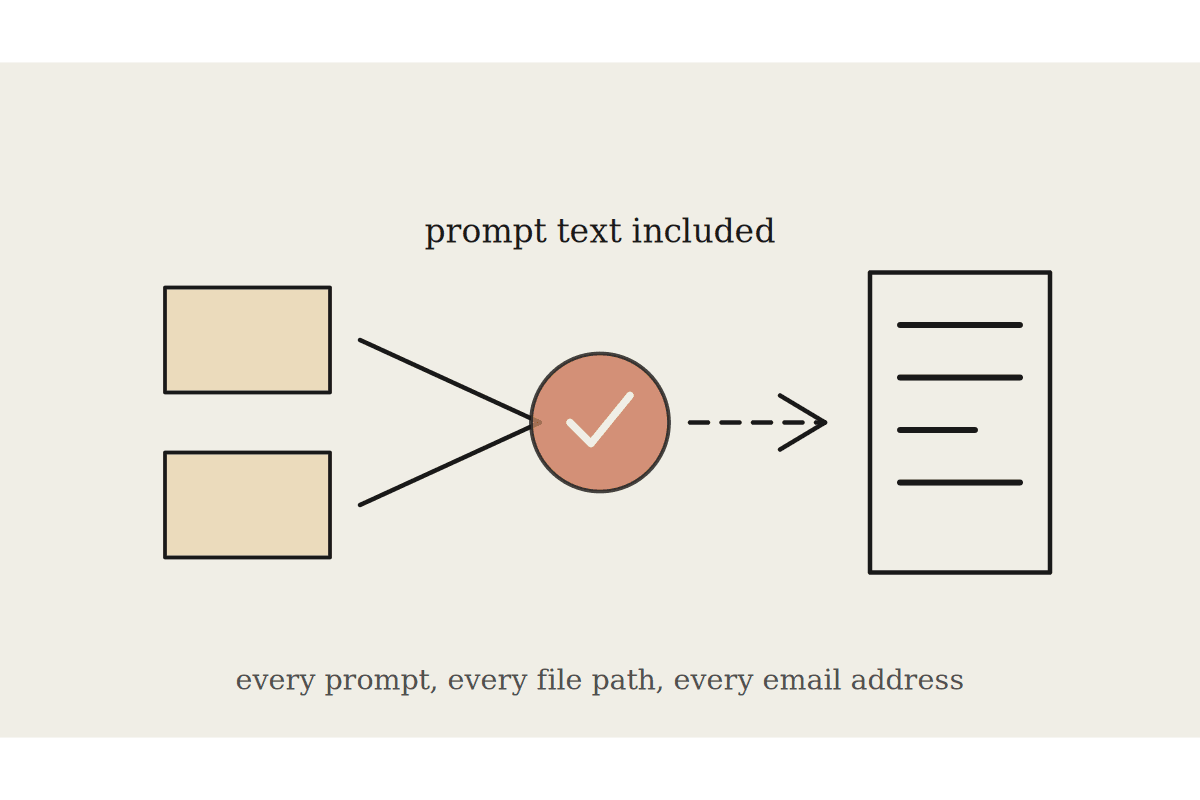
Verify before you rely. Treat a Claude summary the way you would treat a junior's first draft: useful, and checked against the source before it goes anywhere near a creditor or a court.
Mind privilege and confidentiality. Decide deliberately what estate material goes into any AI tool, and use an account and data setting appropriate to sensitive records. This is a policy decision to make once, not case by case.
Independence is unaffected. Nothing here touches your DIRRI or your independence declaration. A drafting aid is a tool, not a relationship.
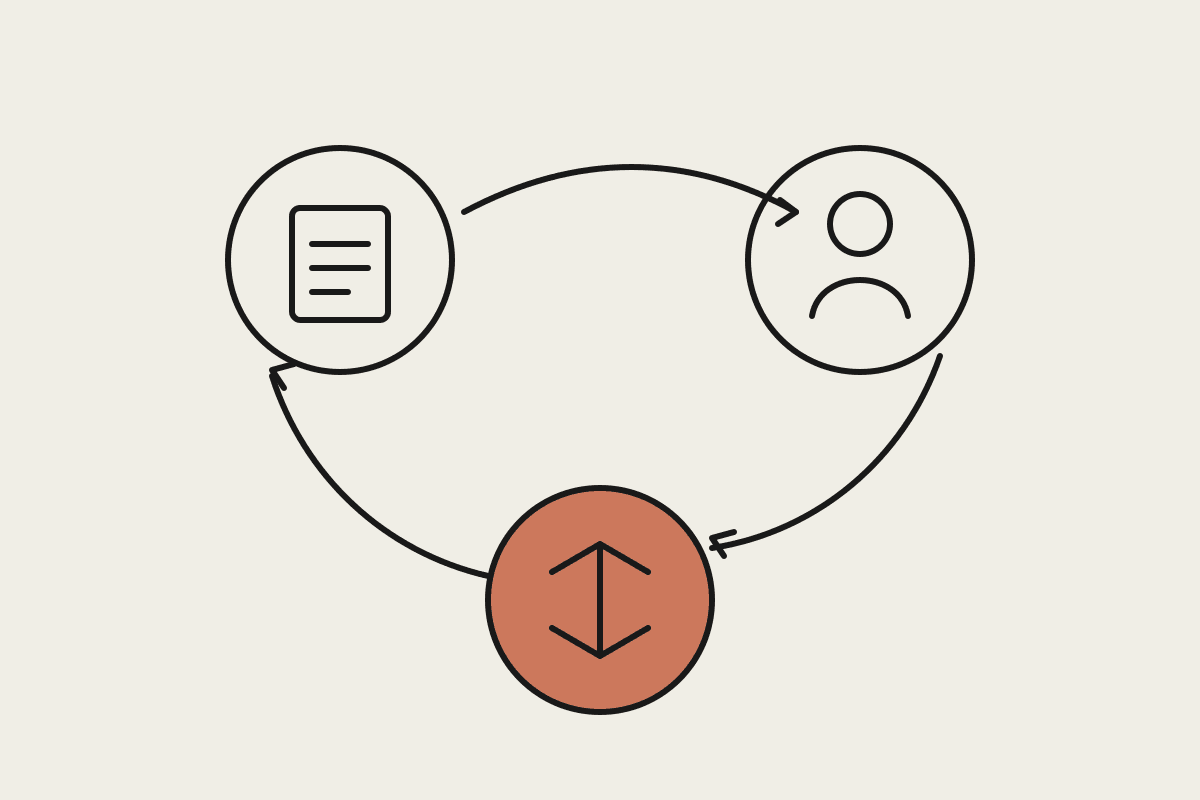
Handled this way, Claude sits inside your existing quality controls rather than around them. The output is reviewed work product, produced faster.
A sensible first 30 days
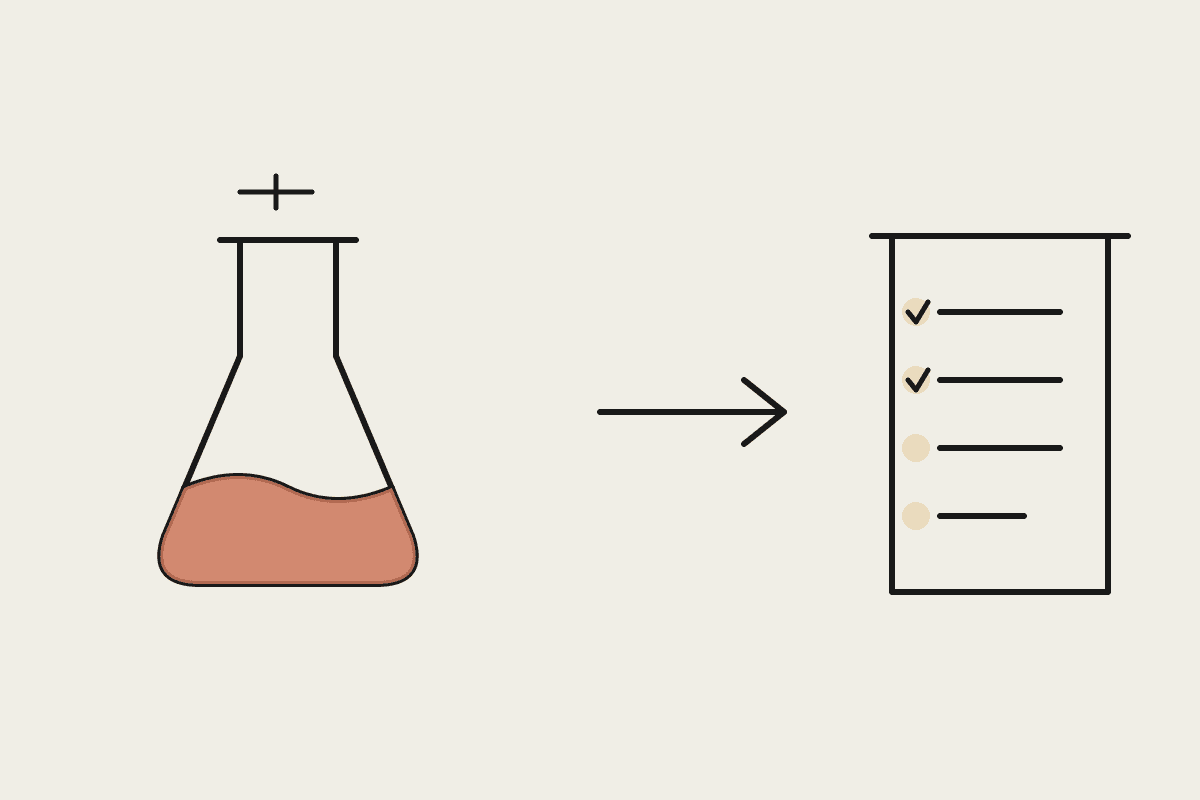
You do not need a project to start. Pick one document-heavy task on a current file and run it in parallel with your normal process, so you can compare the output against work you trust.
Week one: have Claude read the books and records on one administration and produce a summary, then check it against your own read.
Week two: hand it your report template and draft one section of a report to creditors.
Week three: have it build the proof-of-debt table for a file with a long creditor list.
Week four: write a one-page firm policy on what estate data may be used and who signs off, so the whole team works the same way.
By the end of the month most Australian firms find the reading load on a standard administration drops by hours, not minutes, and the quality of the first draft is high enough that partners spend their time deciding rather than typing.
If you want help setting this up safely for your practice, with the compliance guardrails built in, book a short call with us and we will map it to how your firm already works.