Ask any site supervisor what they like least about the job and the daily diary is on the shortlist. It is the last thing standing between them and the ute at 5pm, and it is the first thing a lawyer asks for two years later when a job goes to a payment dispute. On a busy commercial site in Sydney or Melbourne, the diary is often written from memory in the car park, which is exactly when it is least accurate and least useful.
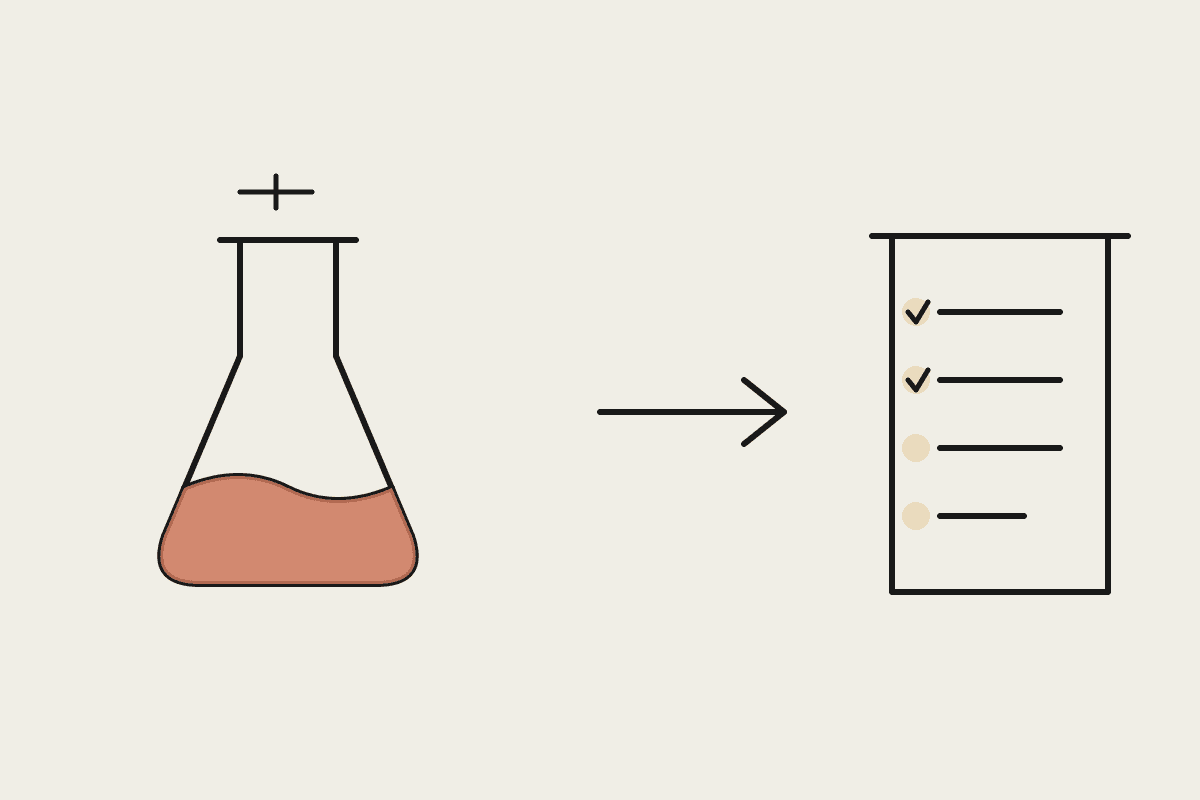
Claude changes the shape of that task. Instead of the supervisor sitting down to compose a diary from a blank page, they feed the day's scraps to Claude across the day and get back a clean, structured, contract-ready entry to review and sign off. The supervisor stays the author. The typing goes away.
Why the site diary is the record that actually matters
Under standard Australian construction contracts such as AS 4000, and under the Building and Construction Industry Security of Payment Act in each state, the contemporaneous site record is the evidence that decides money. When a builder claims an extension of time or a variation, the diary is what proves the delay happened, who caused it, and what it cost. A vague or missing entry is not a paperwork problem. It is a claim you cannot win.
A diary earns its keep when it captures:
Weather and site conditions, including the hours actually lost to rain or heat and which trades were stood down
Labour and plant on site, so a delay claim can be priced against real numbers rather than estimates
Deliveries, including what arrived, what was short, and what was rejected at the gate
Instructions and variations given verbally by the superintendent or client before the paperwork catches up
Safety observations and any incident, which SafeWork inspectors and insurers will ask to see
Miss any of these on the day and you are reconstructing them from photos and memory later, under pressure, with the other side's lawyer reading over your shoulder.
What Claude can assemble from a day's scraps
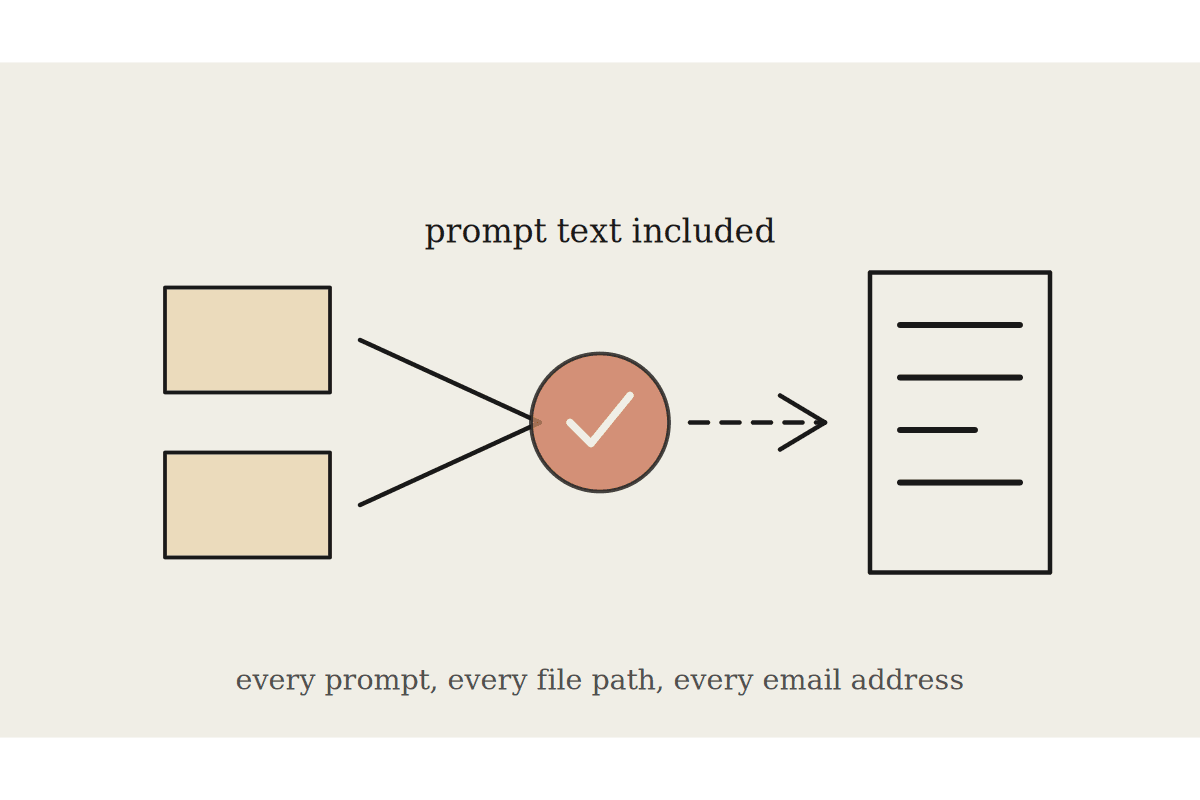
Supervisors already generate the raw material for a good diary. It just lives in a dozen places. Claude pulls it together into one entry.
A 30-second voice note dictated while walking the slab becomes structured prose, with times and trade names preserved
Photos with timestamps become dated entries, so a crack or a defect is logged the day it was seen
Delivery dockets photographed at the gate become a delivery log with supplier, quantity, and any shortfall noted
A screenshot of the Bureau of Meteorology rainfall for the postcode becomes the weather line, with lost hours calculated
A quick text about a verbal instruction becomes a flagged variation entry, ready to convert into a formal notice
The supervisor reviews the draft, corrects anything Claude misheard, and approves it. What took twenty minutes of writing becomes two minutes of checking. Over a five-day week that is close to an hour and a half of a supervisor's time returned to actually supervising.
A worked example
A concreter is stood down for four hours because a crane hired by another trade blocked the pour zone. The supervisor dictates a voice note at the time. Claude produces a diary entry recording the trade affected, the four hours lost, the eight workers idle, the cause, and the fact that the superintendent was notified at 9:40am. Because the entry exists on the day with real numbers, the later delay claim for roughly A$8,000 in standing time is backed by a contemporaneous record rather than a best guess. That is the difference between a claim that gets paid and one that gets argued down to nothing.
What it costs versus what a lost claim costs
The maths here is not subtle. A single disputed variation on a mid-size commercial job can sit at A$45,000. A contested delay claim on a stalled project can run past A$120,000 once standing time, extended preliminaries, and prolongation are added up. When the diary is thin, those numbers are the ones at risk.
Against that, the running cost of having Claude assemble diaries is small. For a supervisor producing one structured entry a day, the model usage sits in the order of A$30 per site per month. A firm running six active sites is looking at a few hundred dollars a month to make its most important legal record accurate and consistent. One saved variation pays for the whole year several times over.
The quieter benefit is consistency. Every supervisor writes a diary differently, and the weakest writer sets the firm's evidentiary floor. A shared approach to how entries are structured lifts every site to the same standard, which is what an adjudicator or an insurer is really looking for.
Where the supervisor stays in charge
A diary is a legal document, so the boundaries matter as much as the speed. Claude drafts. It does not decide, and it does not sign.
The supervisor reviews and approves every entry before it is saved as the record of the day
Claude never invents a time, a name, or a number it was not given, and flags anything it is unsure about rather than guessing
Formal notices, such as an extension of time claim, are still issued through the contract process by a person who is accountable for them
Personal information about workers is kept to what the record genuinely needs, in line with the Privacy Act
Used this way, Claude does not replace the supervisor's judgement about what happened on site. It removes the friction between knowing what happened and having it written down properly, which is where most diaries fall over.
If your supervisors are writing diaries from memory in the car park, the record you are relying on in a dispute is weaker than it needs to be. If you want to see what an assembled site diary looks like for your own contracts and workflow, book a short brainstorm with us and we will walk one through with a real day from one of your sites.