Solar is one of the busiest trades in Australia right now, and most of the pressure lands off the roof. For a typical installer, every job carries a paperwork tail: Clean Energy Council compliance forms, the small-scale technology certificate (STC) assignment, a written statement for the customer, and the finance or rebate documents behind them. Miss a field and the STC claim bounces, which can hold up thousands of dollars in revenue per job. Claude, used as a careful assistant rather than an autopilot, can take a real bite out of that admin without touching the parts that need a licensed person.
Where the hours actually go
Talk to any Sydney or regional installer and the same list comes up. The revenue-generating work (site assessment, install, sign-off) is a fraction of the week. The rest is chasing documents, re-typing the same customer details into three systems, and following up quotes that went quiet. A single 6.6kW residential job can generate around 80 to 90 STCs, worth roughly $3,000 at recent spot prices, so the paperwork attached to it is not trivial busywork. It is the difference between getting paid this month or next.
Compliance packs: matching the CEC accreditation, the electrical certificate of compliance, and the STC assignment form for each install.
Data re-entry: the same name, address, NMI and system details copied across the CRM, the STC trader portal, and the invoice.
Customer written statements: the plain-English document each owner must receive and sign.
Quote follow-up: the $1,200 to $2,000 of margin per job that quietly walks when nobody chases the lead.
STC paperwork Claude can genuinely help with
The paperwork problem is mostly about consistency and completeness, which is where a language model earns its keep. You are not asking Claude to certify anything. You are asking it to read what you already have and flag what is missing before a claim goes out the door.
Compliance document checks
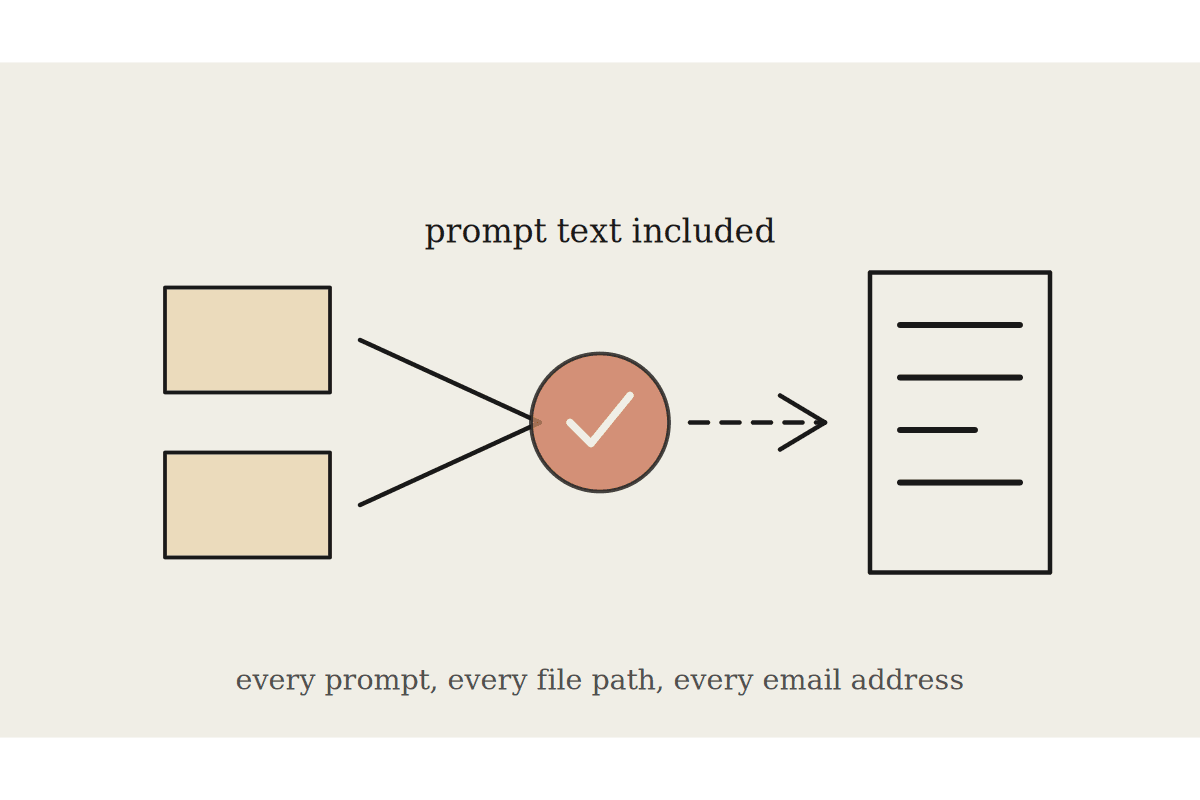
Point Claude at the document set for a job and ask it to check the pack against your own checklist: is the CEC accreditation number present and current, does the install address match across every form, is the panel and inverter model on the approved product list, is the customer signature captured. It returns a short list of gaps in seconds rather than the twenty minutes a manual read takes. For a business closing forty jobs a month, that is real time back.
Drafting the customer written statement
Give Claude the system specifications and it drafts the written statement and the handover pack in your house style, filling the standard fields from the job data. A human still reviews and signs, but the blank-page step is gone. The same approach produces consistent warranty summaries and maintenance notes, so every customer receives the same quality of pack regardless of who on the team put it together.
Lead follow-up without the awkward chase
The bigger money is usually in the leads that never closed. Solar quotes have a short shelf life, and a quote that sits for two weeks with no contact is mostly lost. Claude can draft a follow-up sequence that reads like you wrote it, timed sensibly and tied to the specifics of each quote.
Day 2: a short check-in that answers the most common question for that system size.
Day 7: a value note with a local case example and the current rebate position.
Day 14: a gentle nudge with a clear next step and a booking link.
Day 21: a straight close-the-loop message so the lead is either revived or retired.
You approve each message before it sends. Nothing goes to a customer that you have not read. The point is that the drafting, the timing, and the personalisation stop depending on whether the salesperson had a spare ten minutes that afternoon.
A realistic first 90 days
You do not need a big platform build to get value. The fastest path is to start with the two workflows above and keep a person in the approval seat throughout.
Weeks 1 to 2: write down your real compliance checklist and your written-statement template, then have Claude work from them.
Weeks 3 to 6: run every new job's document pack through the completeness check before submission and measure the bounce rate.
Weeks 7 to 12: add the follow-up sequence for cold quotes and track how many revive.
A small installer doing this well typically recovers a day or more of admin a week and revives a handful of quotes a month. On jobs worth $8,000 to $12,000 each, reviving even one extra install a month more than covers the setup cost, which for a business this size usually lands well under $45,000 all-in over a year.
What stays human
The licensed and regulated parts do not move. Accreditation, electrical sign-off, the decision to submit an STC claim, and the final word on any customer message all stay with your team. Claude reads, drafts, checks and reminds. It does not certify, submit, or send on its own. That boundary is what keeps the tool safe to use in a compliance-heavy trade, and it is the same boundary we set up for every Australian business we work with.
If you run a solar business and the admin is eating your evenings, the honest first step is a short conversation about which one workflow to fix first. You can book a time with us and we will map it out with you, no build required to start.