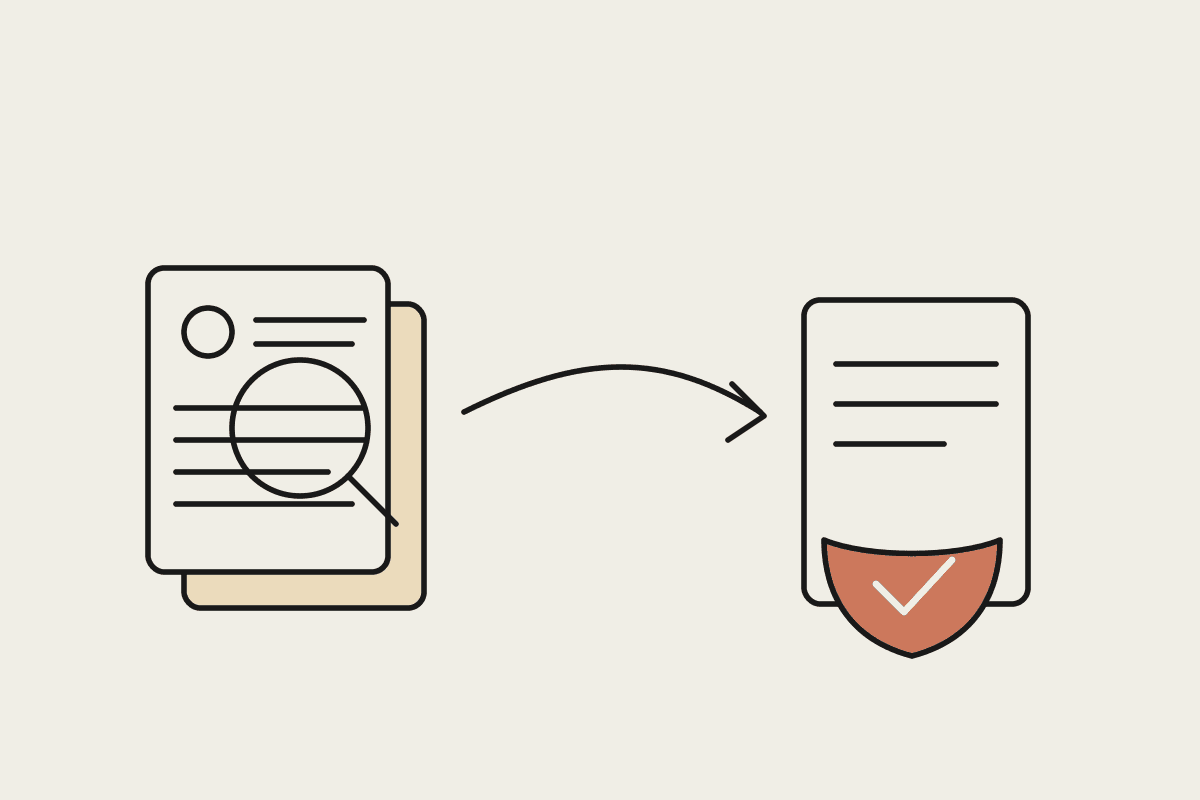
FYI Docs is the document and workflow layer bolted onto FYI's practice management platform, and a lot of Australian accounting firms have adopted it over the past few years as a replacement for shared drives and email chains. It handles correspondence tracking, client checklists, e-signatures and workflow templates well. What it does not do is read the documents sitting inside it. A partner still has to open every engagement letter, financial statement or ATO notice to work out what it actually says, who needs to action it and by when. For a firm processing hundreds of client documents a week, that manual triage step is where most of the time goes, not the filing itself.
What FYI Docs Handles Well, and Where the Gaps Show
FYI's strength is structure. Every document lands in the right client folder, workflow templates route jobs through review stages, and the audit trail shows who touched what and when. Firms in Sydney, Melbourne and Brisbane use it because it stops important correspondence disappearing into someone's personal inbox, and because the FYI interface is genuinely faster to work in than the practice management tools it usually replaces. The gaps show up once document volume climbs past what one office manager can eyeball each morning.
Documents still need a human to read them before anyone knows what action is required or which client contact should be looped in.
Naming and tagging conventions drift within weeks of go-live unless someone actively enforces them, which quietly breaks search later.
Client correspondence still gets drafted from scratch, even when the underlying request (a missing signature, a document reminder) is routine and repeats weekly.
Missing-document checks, TFN declarations, prior-year returns, trust deeds, tend to happen at lodgement time instead of at intake, which is the expensive place to discover a gap.
Where Claude Fits Alongside FYI Docs
Claude does not replace FYI Docs; it reads what FYI already stores. Connected to a firm's document store through Claude Cowork or a purpose-built MCP connector, Claude can open an incoming ATO notice, summarise the required action in two sentences, and draft a client email referencing the specific figures in that notice, all before a bookkeeper has opened their inbox for the day. The same pattern applies to incoming financial statements: Claude extracts the numbers a manager actually needs for a management letter instead of a graduate spending forty minutes retyping figures out of a PDF.
The more useful pattern for firms already committed to FYI is intake triage. A watched folder or webhook feeds new uploads to Claude, which classifies the document type, checks it against the expected document list for that job, and flags anything missing before the file moves to the next workflow stage. For a firm running quarterly business activity statement lodgements, catching a missing bank reconciliation on day one instead of day twenty of the cycle is the difference between a calm quarter and a scramble.
The Privacy Act Question Every Partner Asks
Every firm we have worked with in this space asks the same question before rollout: what happens to client data. FYI Docs already holds sensitive financial and identity information, so running any of it through an AI layer needs to satisfy the Privacy Act 1988 obligations the firm already carries as an APP entity. The practical answer is to keep the connector read-scoped to specific folders, log every document Claude touches the same way FYI logs its own access, and avoid routing anything through a general-purpose chat interface where retention policy is unclear to the client. Claude's business and enterprise deployment options support this kind of scoped, audited access, which is the difference between a defensible rollout a partner can sign off on and a compliance headache six months in.
A Realistic Rollout for a Mid-Sized Firm
A twelve-partner Sydney firm processing roughly 3,000 client documents a month is a reasonable reference point. At even five minutes of manual triage per document, that is 250 hours a month, which works out to well over $45,000 a year in partner and senior accountant time once you price it anywhere near billable rates. A scoped Claude integration handling classification, missing-document checks and first-draft correspondence typically claws back 60 to 70 percent of that triage time within the first quarter, without touching FYI's existing workflow structure or requiring staff to learn a new system.
The setup itself is usually a two to three week engagement: connector configuration against the firm's FYI instance, a document taxonomy pass so Claude knows what a trust deed looks like versus a lease agreement, and a pilot on one workflow before rolling out firm-wide. BAS lodgement is the easiest place to start because the expected document list per job is short and well understood, and a partner can see the time saved within the first cycle rather than waiting a full quarter for a result.
None of this requires ripping out FYI Docs or retraining staff on a new platform. It sits alongside the workflow your team already uses and removes the reading, not the filing. If your firm runs FYI and wants a straight answer on what a scoped rollout would look like against your actual document volume, [book a session](/contact) and we will map it out.