Claude in Microsoft Foundry is now generally available, hosted on Azure. For the many Australian businesses that already run on Microsoft, that quietly removes a barrier: you can adopt Claude inside the Azure account, identity, and governance you already operate, instead of standing up a separate vendor relationship to do it.
What general availability actually changes
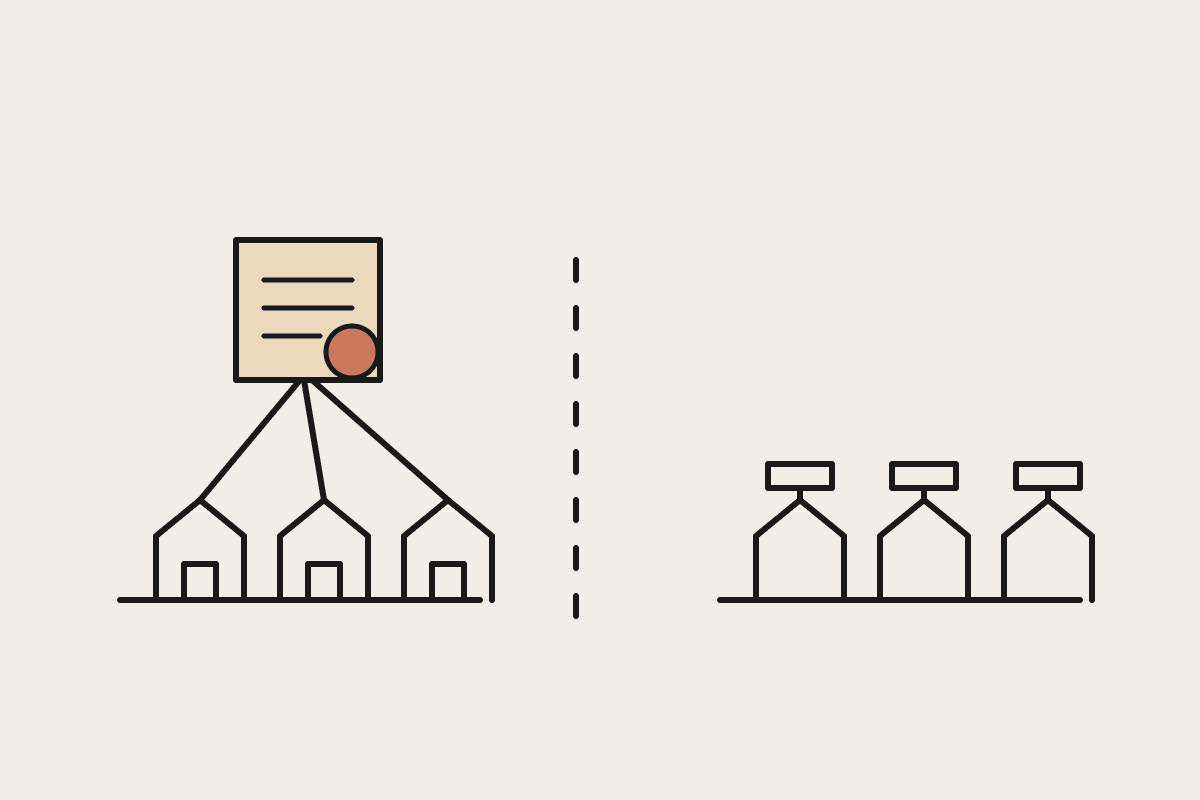
Moving from preview to general availability is not a marketing milestone, it is a procurement one. GA means the Azure-hosted version of Claude is supported for production use, billed through your Azure agreement, and governed by the same controls your team already trusts. Microsoft currently offers Claude in Foundry in two forms: hosted on Azure, which runs end to end on Azure infrastructure and is the generally available option, and hosted on Anthropic infrastructure, which remains in preview. For most Azure-first Australian teams, the Azure-hosted path is the one that matters.
Under the hood the Azure-hosted models run on current Nvidia GB300 hardware, but the detail that matters to a buyer is simpler: Claude now lives where your stack already does, with no new console to govern.
Which models, and what you can do with them
At general availability, Claude Opus 4.8 and Claude Haiku 4.5 are available through the Messages API in Foundry, with core capabilities such as prompt caching and extended thinking. In practical terms that covers the range most teams need:
Opus 4.8 for the hard work: complex reasoning, agentic tasks, and code.
Haiku 4.5 for fast, high-volume jobs where latency and cost matter more than maximum depth.
Prompt caching and extended thinking to hold cost down on repeated context and to handle longer reasoning when a task needs it.
That pairing lets an Australian team run a cheap model for routine work and a frontier model for the hard cases, all inside one Azure-governed environment rather than two.
Why this matters for Australian businesses
Plenty of Australian SMBs and mid-market firms already live on Microsoft: Azure, Microsoft 365, Entra ID for identity. For them, GA in Foundry means adopting Claude inside the procurement, billing, identity, and data-governance boundary they already operate. The benefits are concrete:
Procurement is simpler when Claude is a line on an Azure agreement you already hold, not a new contract to negotiate.
Identity and governance carry over, so access and audit run through the controls your team already maintains.
Spend can consolidate, so Claude usage draws against commitments you have already made rather than opening a separate bill.
For a mid-market business with an Azure commitment worth $100,000 or more a year, that consolidation is a real operational saving, not just a tidier invoice.
Foundry, Bedrock, or the API: which route?
GA in Foundry does not mean everyone should use Foundry. It means Microsoft-first teams now have a native option that matches where AWS-first and Google-first teams already sit. The sensible rule is to follow your existing stack:
On Azure already? Foundry keeps Claude inside the environment you run.
On AWS or Google Cloud? The Claude apps gateway with Bedrock or Vertex is the equivalent.
No strong cloud preference, or a small team? The Claude API direct is the simplest path.
The model is the same across all of these routes, so the decision is about governance, billing, and where your identity already lives, not about capability.
What to confirm before you commit
Two things are worth checking against the official source rather than a summary. First, the current list of available models and regions, including any Australian data-residency options, since these expand over time. Second, the exact pricing mechanics through your Azure agreement, which depend on your commitment and region. Confirm both before you build a business case on them, and we can help you read the current state and map it to your setup.
None of this is a reason to switch clouds for the sake of it. The point of GA in Foundry is that you no longer have to. A Microsoft-first Australian business can now treat Claude as a native part of the Azure environment it already runs, with the procurement, identity, and governance work mostly already done. The model is the same one you would reach through Bedrock or the API, so the decision is purely about where your stack already lives and which invoice you would rather it landed on. That is the quiet advantage of Claude being available across every major cloud: you choose on governance and habit, not on which provider happens to carry it. Pick the route that matches your setup, confirm the current models and regions, and spend your energy on the use case rather than the plumbing.
Want help deciding whether to run Claude through Foundry, Bedrock, or the API? Book a free brainstorm with us.