A claim has been circulating in developer communities that GPT-5.5 sometimes runs in a reduced 'power-save' mode, dialling back its reasoning without telling the user. The reports trace to a public GitHub issue and community chatter, and as of late June 2026 they are not confirmed by OpenAI. So the first thing to say plainly is that this is unverified, and we are not making claims about how anyone else's systems work. We have no way to check it, and neither, most likely, do you.
What is worth keeping is the question underneath the noise, because it applies no matter which lab you buy from. For an Australian team building real work on top of an AI model, do you actually know which model and what level of capability you are getting on each request? That is a transparency question, and it is a fair one to ask any vendor, including us.
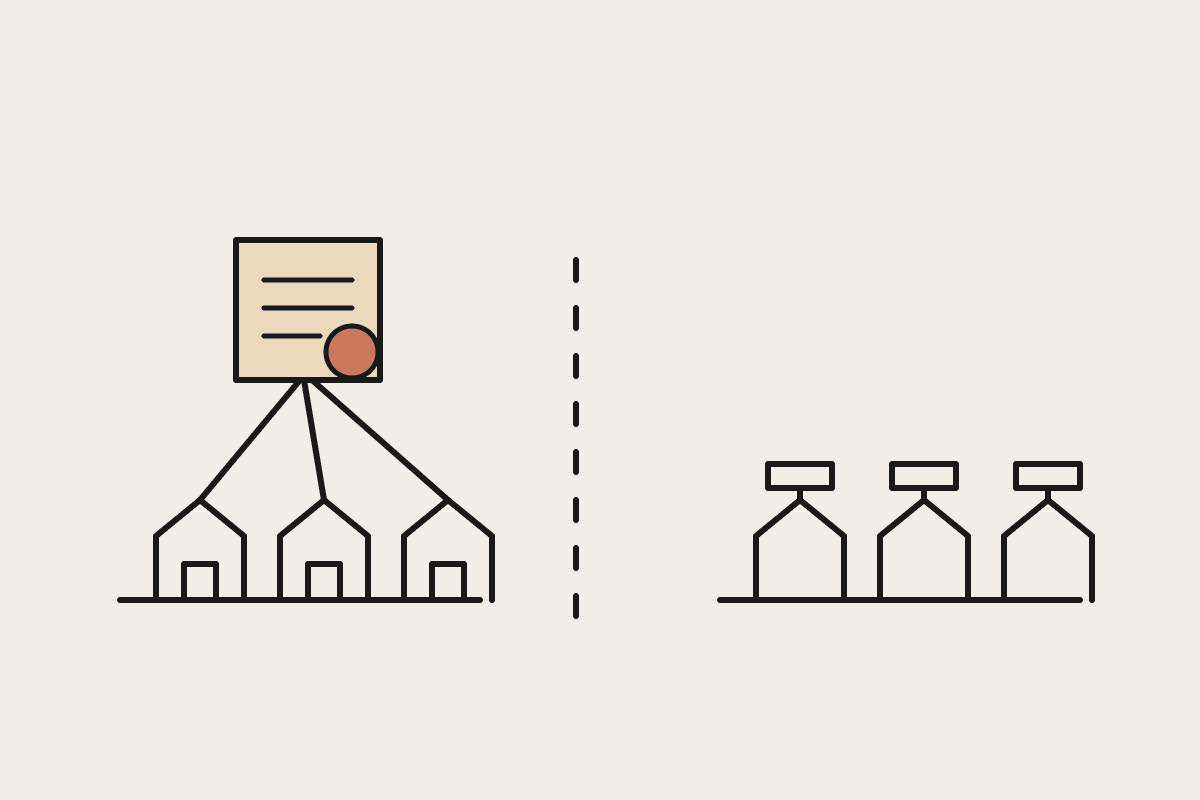
Picture a Brisbane firm that tuned a process against a model in March, signed off the quality, and moved on. If the capability behind that process quietly changes in June, the outputs can drift while every dashboard still shows green. Nobody made a bad decision. The ground simply moved under a process that looked stable. That is the scenario worth guarding against, whatever the truth of any particular rumour.
Why model transparency matters for a business
When you build a process on an AI model, you are quietly betting that the model will behave tomorrow the way it behaved when you tested it. If the capability can shift without notice, your outputs can shift too, and you might not notice until a customer does. For routine drafting that is an annoyance. For anything quality-sensitive or regulated, silent variation is a real risk, because you can no longer point to a stable, repeatable process behind your decisions.
There is a trust dimension as well. If a team suspects, rightly or wrongly, that the model is being throttled when it is busy, they stop trusting the tool and quietly go back to doing the work by hand. The cost of that is invisible on any invoice, but it is the difference between an AI rollout that sticks and one that fades after a few months.
Which version: can you pin an exact model version, or are you routed to whatever is convenient that day?
Consistency: does the same input give comparable quality over time, or does it quietly drift?
Silent throttles: are there conditions under which capability is reduced, and are you told when that happens?
Change notice: how are model updates communicated, so you can re-test before they affect your work?
Where Claude's approach helps
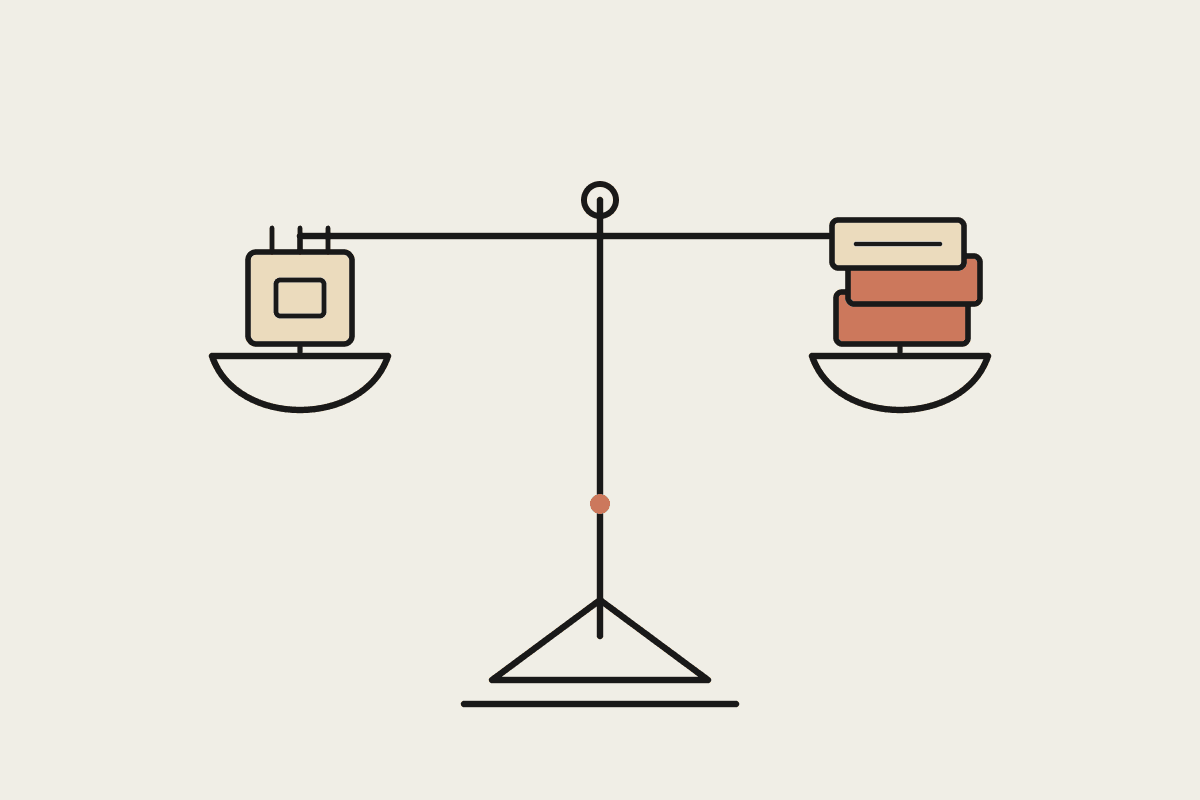
Claude is offered as named, versioned models, such as the Opus, Sonnet, and Haiku lines, and you choose which one answers. That matters for a business, because you can pin a version, test how it behaves on your work, and expect that behaviour to hold for that version. You pick the trade-off between capability and cost deliberately, rather than having it decided for you behind the scenes. If a team relies on consistent output for, say, $40,000 of monthly client work, that predictability is not a nice-to-have. It is the difference between a process you can stand behind and one you are quietly hoping holds.
None of this makes Claude immune to change. Models do get updated, and good practice still means re-testing when they do. The point is that the choice and the timing are visible to you, so you can plan around them rather than discover them after the fact.
What an Australian team should do
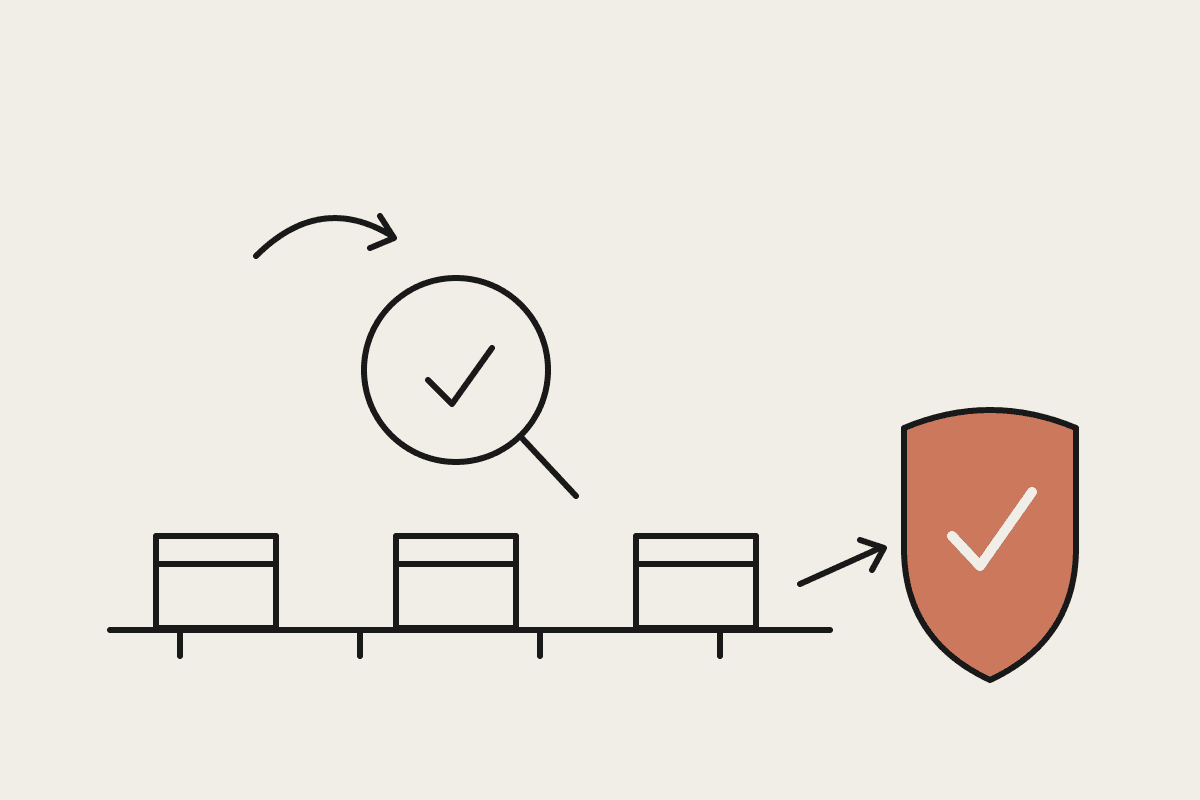
Do not over-react to an unverified report, but do treat transparency as something you are entitled to. Pin your model versions where you can. Keep a small set of test prompts that represent your real work and run them whenever you suspect something has changed. Keep a human check on anything important, so a quiet shift in model behaviour is caught by a person before it reaches a customer.
Most of all, ask your vendor the plain questions above and judge them on the answers. A provider that can tell you exactly which model you are using, and warns you before it changes, is one you can plan around. In a market full of unverified claims about what is running under the hood, that kind of clarity is worth paying for, and it is reason enough for an Australian business to value a model line it can name.
It also pays to write down which model each important workflow depends on, in the same place you keep the rest of your process notes. When a review comes around, or a regulator or client asks how a decision was made, being able to say exactly which model produced what, and when, turns a vague answer into a clear one.
If you want to be sure the AI behind your work is consistent and accountable, we can help you set it up that way. You can book a brainstorm and we will go through how to pin, test, and monitor the models your business depends on.