Community reports this week say Tencent has open-sourced Hy3, a large mixture-of-experts model, and OpenRouter is hosting it free until 21 July 2026. For a Sydney business owner weighing up AI options, a free flagship-class model is worth a look. Every few months a new open-weight release claims to close the gap with the established players, and the headline numbers are genuinely interesting this time. But the decision that actually matters for production work is bigger than a benchmark table, and it deserves proper thought before anyone rebuilds a workflow around a free window that closes in a week.
What Hy3 Is, As Reported
The source here is a Circle community post (Kai Wang), not an official Tencent briefing, so every figure below should be treated as reported rather than independently verified. With that hedge in place, here is what is circulating:
295 billion total parameters, with only around 21 billion active per request through a mixture-of-experts design, which is why a model this large can run cheaply.
A 256K token context window, roomy enough for a full contract set or a year of transaction data in one pass.
Reportedly tuned to flag when it lacks grounding rather than guess, which matters for anything client-facing.
Community benchmark claims that Hy3 trades scores with GPT 5.5, Claude Opus 4.8 and DeepSeek V4 Pro, models with two to five times its active parameter count.
The last two points are the ones to hold loosely. Benchmark tables measure narrow tasks under ideal conditions. They say very little about how a model behaves on a Tuesday afternoon with a half-finished spreadsheet, an ambiguous client email and a compliance deadline. The mixture-of-experts design is worth understanding on its own terms too: rather than running all 295 billion parameters on every request, the model routes each query to a smaller set of specialised sub-networks. That is genuinely clever engineering, and it explains why Hy3 can be offered free without OpenRouter losing money on every call. It does not, by itself, tell you anything about reliability on your documents.
The Free Window vs the Real Cost of Switching
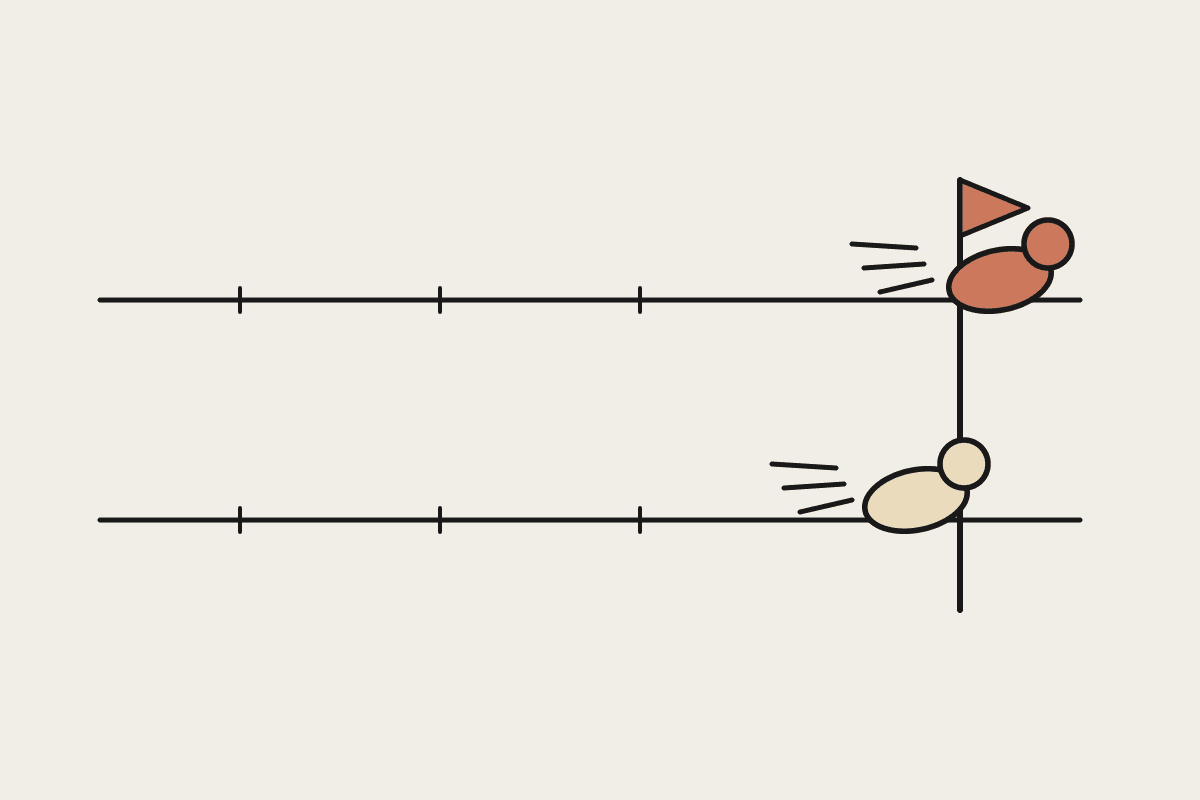
Free inference solves exactly one line item: the API bill. It does not solve the work of testing a new model against your actual documents, rewriting prompts tuned for a different model's quirks, or training staff on a new tool. For a mid-sized Sydney accounting or advisory practice, that evaluation work commonly runs $8,000 to $25,000 in billable hours, before anyone pays for a subscription. Add the fact that Hy3's pricing after 21 July 2026 is unknown, and building a core workflow around the free window looks less like an opportunity and more like a short-term experiment. A business that swaps its production tooling every time a cheaper option appears also pays a hidden tax in retraining and lost consistency, one that rarely shows up on the invoice that triggered the switch.
Where Claude Opus 4.8 Earns Its Keep
Once a workflow touches client records, financial data or advice, the calculation changes. Under the Privacy Act, an Australian business is accountable for how personal information is handled by any tool in its stack, including a free hosted endpoint run by an unfamiliar vendor. Claude's enterprise controls, data-handling commitments and support relationship exist precisely for that gap. A benchmark claiming Hy3 trades scores with Opus 4.8 on isolated tasks says nothing about consistency across thousands of real requests, or about who you call when an output goes wrong in front of a client.
A logistics operator in Melbourne testing extraction models earlier this year found a free open-weight option was accurate on clean invoices but degraded sharply on scanned, skewed documents, exactly the messy inputs that make up most of a real inbox. That gap does not show up on a benchmark leaderboard, and it is the kind of failure that costs more in rework than the free tier ever saved. The same logic applies to a Brisbane law firm drafting client letters, a Melbourne retailer reconciling supplier invoices, or any Australian business where a wrong answer has a real cost attached to it.
A Practical Way to Test It
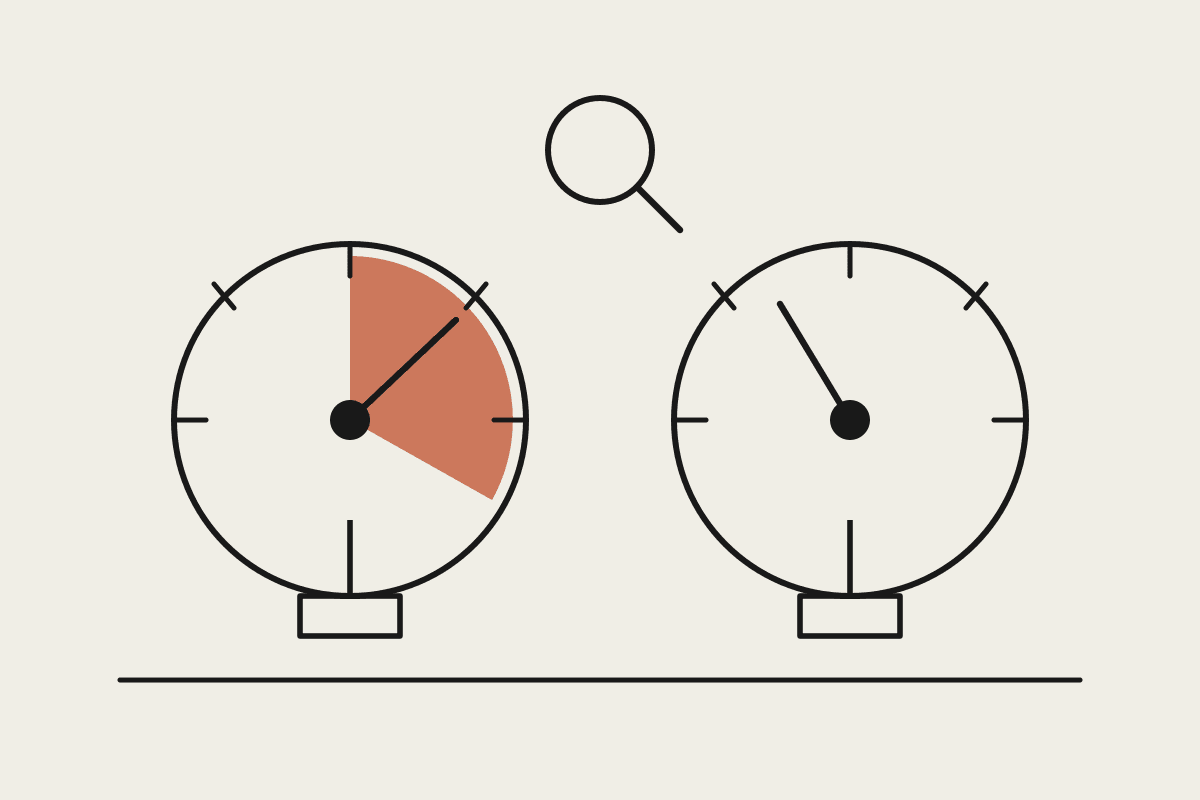
None of this means ignore free models. It means treat the Hy3 window for what it is: a low-risk chance to learn, not a foundation for a client-facing system. If your team has spare capacity before 21 July, a short structured test costs almost nothing and tells you far more than a benchmark headline. A sensible test looks like this:
Pick one internal, non-sensitive task, not a client-facing one.
Run identical prompts through Hy3 and Claude Opus 4.8 side by side.
Score for accuracy on your own messy documents, not speed or price.
Write down every failure mode, not just the wins.
If you want a second opinion on where a workflow genuinely needs Claude's reliability and where a cheaper model would do the job, get in touch and we will look at your specific tasks rather than a benchmark table.