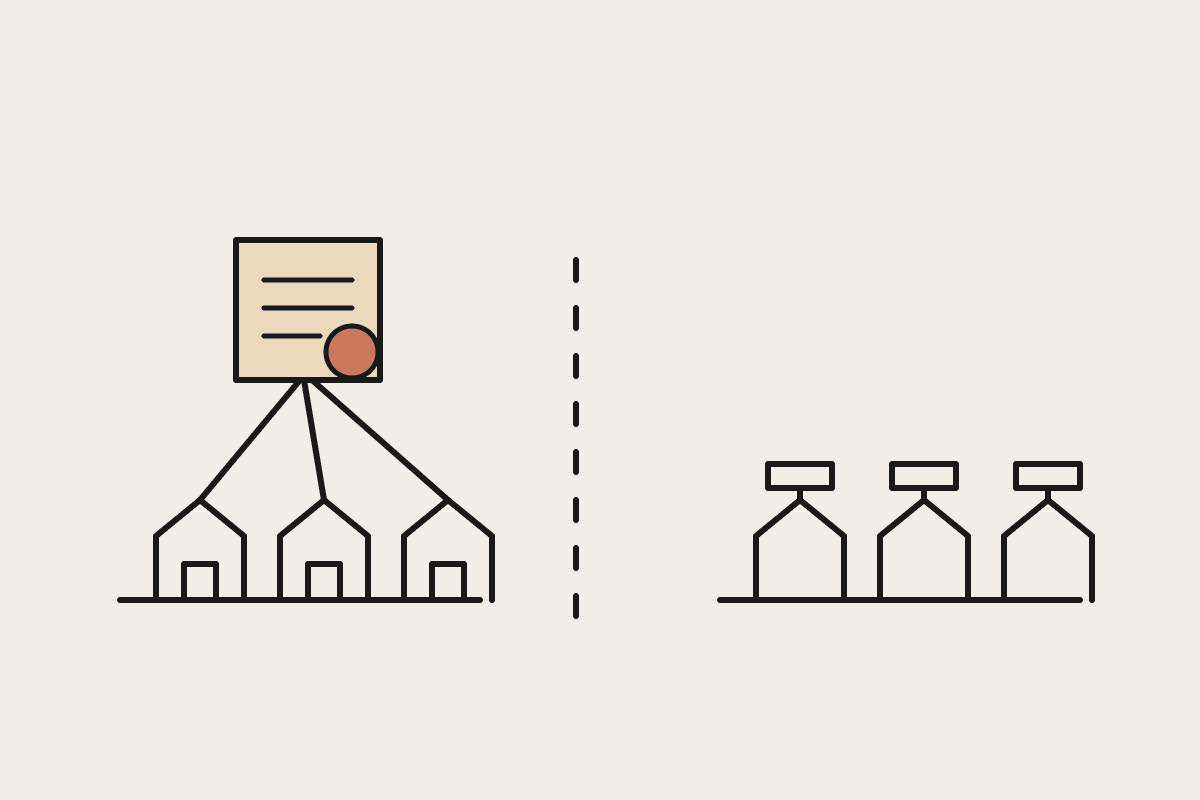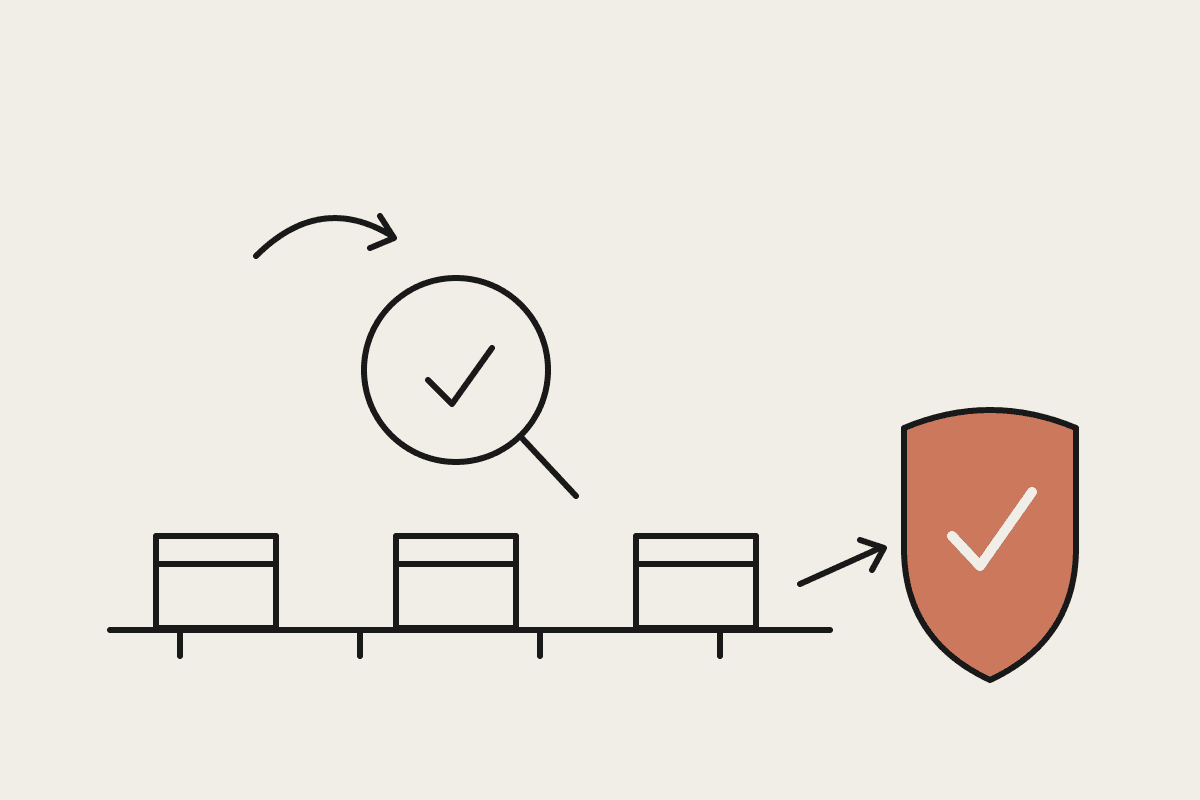
Within two weeks of each other in June 2026, both Anthropic and OpenAI formalised their partner ecosystems. Anthropic launched a Services Track and Partner Hub for the Claude Partner Network on 3 June, backed by a US$100 million commitment. OpenAI followed on 14 June with its own Partner Network and a US$150 million investment. Both programs point at the same shift: enterprise AI has moved from experiments to structured procurement, and buyers now expect a certified partner channel before they sign. For an Australian business evaluating AI vendors, these announcements matter less for what they say about the models, and more for what they signal about how you will get support actually deploying them.
What Anthropic's Claude Partner Network Offers
Anthropic's Claude Partner Network now runs a tiered Services Track that ranks consulting firms by how deeply they have deployed Claude for real clients. The Partner Hub sits alongside it as a public directory where buyers can find qualified implementation partners, with a dashboard that tracks where each firm stands against published thresholds. The intent is to give an enterprise buyer a way to verify a partner's track record rather than take a sales pitch on trust.
The three tiers set a clear bar. Select status asks for ten certified practitioners, two production deployments, and one public customer endorsement. Preferred status lifts that to one hundred certified practitioners and fifteen active customer deployments. Global Premier status sits at the top, asking for one thousand certified practitioners and deployments with one hundred customers across at least three regions. Anchor partners include Accenture, Deloitte, Cognizant and Infosys. Since the program opened in March 2026, Anthropic reports that more than 40,000 firms have applied and over 10,000 consultants have earned Claude certification.
What OpenAI's Partner Network Offers
OpenAI's Partner Network uses a comparable three-tier structure of Select, Advanced and Elite. Progression depends on sales performance, technical capability, co-sell engagement and deployment experience, with specialisations for areas like coding, cybersecurity and AI agents. Launch partners include Accenture, BCG, McKinsey, Bain and PwC. OpenAI has set a target of training 300,000 certified consultants by the end of 2026, and is piloting a Forward Deployed Experts program that pairs partner practitioners with its own engineers on complex enterprise projects.
This is a familiar go-to-market pattern. Microsoft, Salesforce and AWS have run tiered partner programs for years. Both AI vendors are now building the ecosystem that enterprise buyers expect before they commit to a platform. For an Australian buyer, the useful signal is not the headline funding number, but whether the partners listed under each program have real delivery history in this market. Program details also change quickly, so confirm the current tiers and benefits on each vendor's own site before you cite specifics in a procurement decision.
What This Actually Means for Australian Businesses
The practical question for an Australian buyer is not which vendor has the larger partner network. It is which partner actually understands your context. A global systems integrator with Elite or Global Premier status might have a thousand certified consultants worldwide and almost none who have shipped a compliant deployment in Australia.
The cost of getting this wrong is concrete. A mid-market AU implementation typically runs $40,000 to $120,000 in the first year. A generic rollout that ignores local integrations and compliance can burn a large part of a $200,000 budget on rework, often before anyone notices that data was being processed in the wrong region.
None of this shows up in a tier badge. A partner directory tells you a firm cleared a global threshold for certified headcount and customer count. It does not tell you whether the consultant assigned to your project has configured Claude against the Australian Privacy Act, connected it to MYOB, or handled data residency for a business that operates only in Australia. Those are the details that decide whether the project lands.
Five things worth evaluating when you select an AI implementation partner in Australia:
Australian compliance knowledge. Do they understand the Privacy Act, the ASD Essential Eight, and sector rules like APRA CPS 234 for finance or the My Health Records Act for health? Generic AI consultancies often do not.
Local integration experience. Australian businesses run Xero, MYOB, Deputy and Employment Hero. Confirm your partner has built integrations for these systems before, not only Salesforce and SAP.
Data handling and sovereignty. Ask where your data goes during the build, which region it is processed in, and how that maps to your obligations. Get a specific answer rather than a reassurance.
Support in your timezone. AEST business-hours support, or a US-timezone ticket queue? For operations that depend on the deployment, response time matters.
Reference clients in your sector. Ask for Australian reference clients in your industry, with deployments running in production, not US case studies reworded for a local audience.
The Decision That Actually Matters
Claude against the OpenAI models is a model-level question, and a fair one to ask. Implementation partner selection is a separate decision, and for most Australian businesses it has a bigger effect on whether AI delivers a return. A partner who knows your tools, your compliance environment and your operating context will get you to production faster than one with a bigger badge and no local track record.
Automata AI works as Australia's Claude specialist, a Claude-first consultancy built for Australian businesses, with a focus on local integrations, the Privacy Act context and sector compliance. To understand what a Claude implementation looks like for your specific situation, book a brainstorm session with our team.
Figures on the OpenAI and Anthropic partner programs are drawn from each company's June 2026 announcements and the reporting around them. Confirm current program details with each vendor before relying on them in a procurement decision.