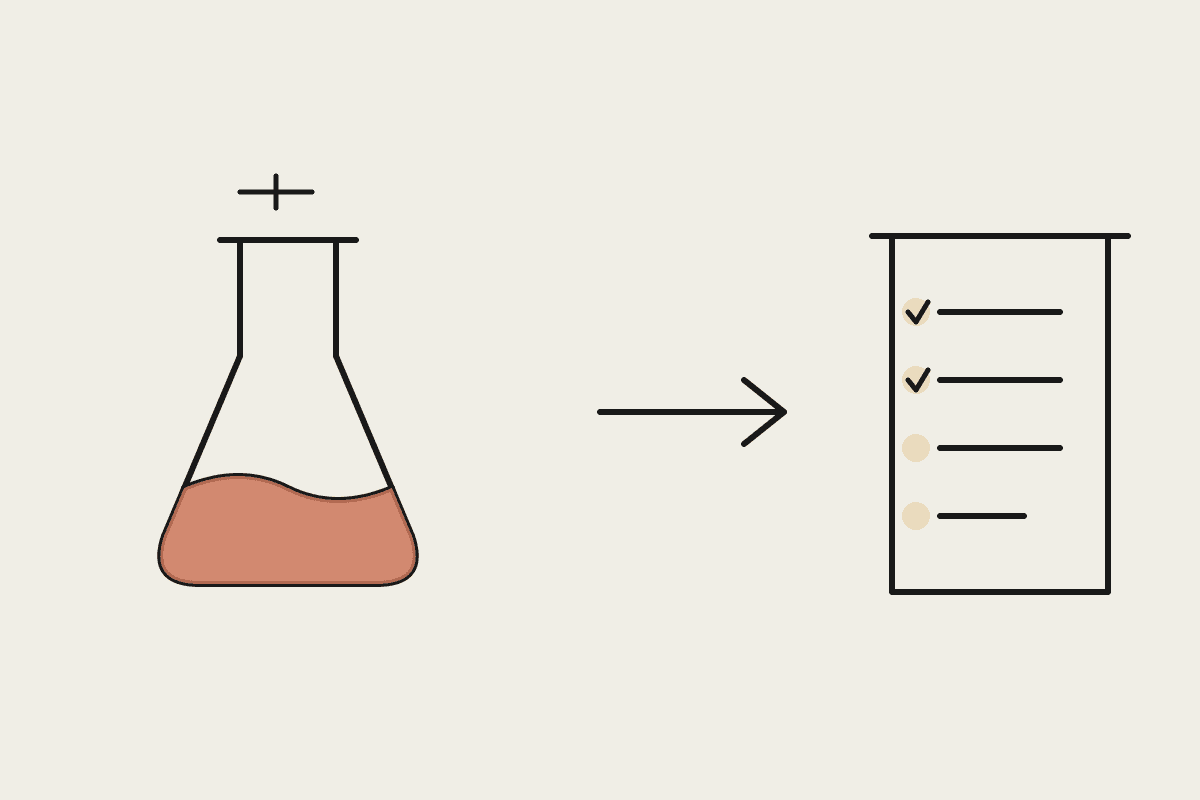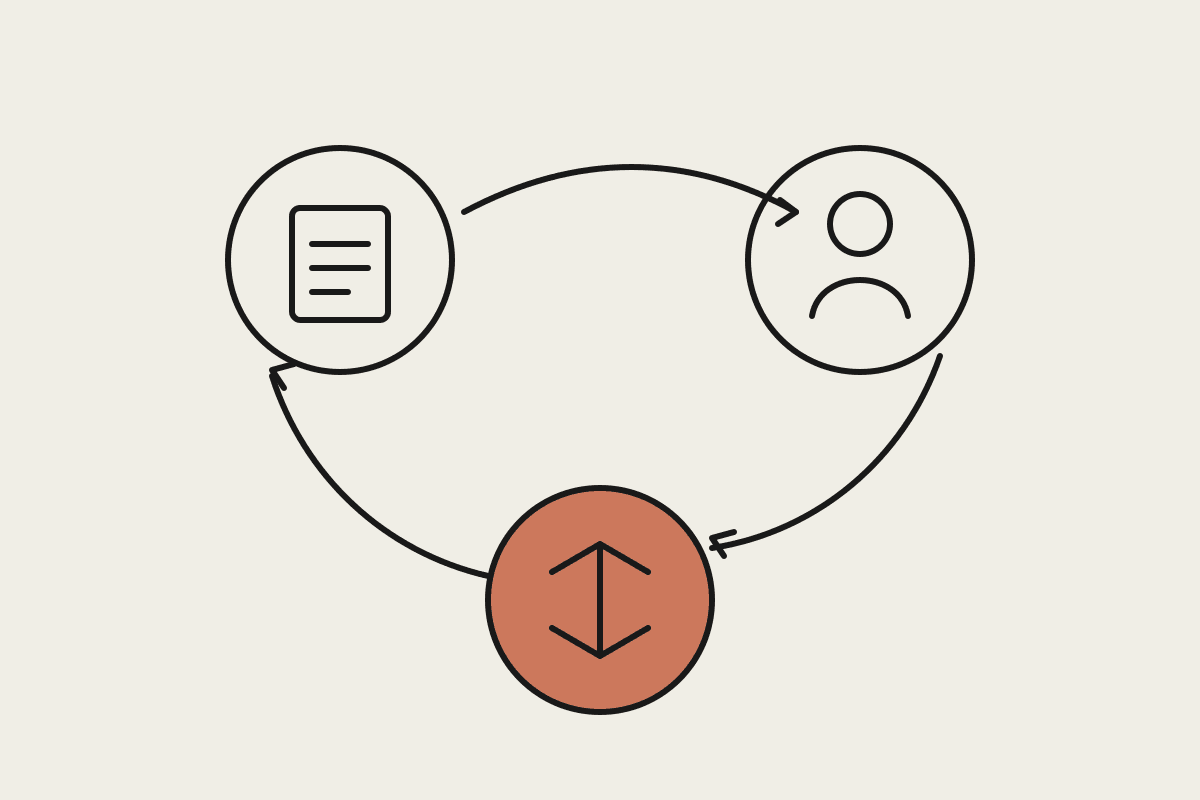
Anthropic released 11 open-source plugins for Claude, each a starter pack for a specific work role. Engineering Manager, Product Manager, Customer Success, and eight others. The intent is clear: instead of every team writing their own prompts, skills, and tool wiring from scratch, you install a curated bundle and customise it from there.
For Australian mid-market companies in the $30M to $200M revenue band where most of our Sydney and Melbourne clients sit, the question is not whether to install one. The question is which four to start with, what order to roll them out, and where Australian regulatory context (Privacy Act 1988, APRA CPS 234, AUSTRAC reporting obligations) forces a customisation step before a single message leaves the building.
What Anthropic actually shipped
Each plugin is a self-contained directory in a public GitHub repository (anthropics/claude-plugins). Inside, you get a set of skills (Claude's way of bundling reusable procedures), MCP server references so Claude can talk to your tools, and slash commands aimed at a specific role. They install with a single line of configuration and run inside Claude Code, the Claude app, and Cowork.
The 11 starter plugins cover the most common knowledge-work roles: engineering management, product management, customer success, sales engineering, design, marketing, finance, legal review, people operations, data analysis, and developer relations. They are deliberately opinionated. They are also deliberately incomplete. Anthropic is giving teams a runway, not a destination.
The four plugins to install first
We get asked this question on every Claude rollout call. The teams that win in the first 90 days pick a small set, customise them properly, and resist the urge to install everything at once. Here are the four to start with for an Australian mid-market team:
Engineering Manager: ships fastest because the audience is small (your tech leads), the data sources are familiar (GitHub, Jira, your CI logs), and the value is easy to measure (sprint cycle time, PR throughput). Install this first.
Product Manager: pair this with the Engineering plugin so PMs and tech leads share a Claude vocabulary. PM workflows touch customer interview notes, roadmap docs, and the same Jira backlog the engineering team already gave Claude access to.
Customer Success: this is where the AUD-figure return shows up first. A 30-seat CS team in Sydney saving 6 hours per week per agent at a $120 fully-loaded hourly rate works out to roughly $1.1M in recovered time per year. That is the number to put in front of your CFO.
Legal and Compliance Review: not because it ships the fastest, but because it is the plugin you most need before the others go wide. Privacy Act amendments and the Notifiable Data Breaches scheme mean every Claude touchpoint with customer data wants a documented review path. The Legal plugin gives you that path.
What to customise before you flip the switch
The published plugins target a generic North American knowledge worker. For an Australian deployment, three customisations save weeks of audit pain later.
First, swap the default data-handling notes. The plugins ship with assumptions about PII based on US regulation. The Privacy Act 1988 and the Notifiable Data Breaches scheme define personal information more broadly than the equivalent US categories, so the Legal and Customer Success plugins both need a small skills-file update to reflect what your privacy officer actually allows Claude to read and retain.
Second, wire the plugins to AU-hosted infrastructure where it matters. Claude on AWS Bedrock now runs in Sydney, and the Sydney region is the default we recommend for any AU enterprise rollout that needs data residency on paper. The plugin configs assume the Claude API endpoint; pointing them at the Bedrock Sydney endpoint is a one-line change but worth doing on day one rather than retrofitting it later.
Third, customise the slash-command names and prompts to match your team's vocabulary. The Customer Success plugin ships with a /escalate command; if your team already runs a Zendesk macro called tier-2 handoff, rename the slash command so people are not learning two phrases for the same idea. Small change, big adoption difference.
The trap most teams fall into
The most common mistake we see in Claude rollouts is installing all 11 plugins on day one. The pitch is appealing: every role gets coverage. The reality is that 11 plugins means 11 sets of permissions, 11 sets of MCP servers to authorise, and 11 sets of usage telemetry your IT team has to baseline. The plugins compete for attention and none of them get the customisation they need.
The disciplined approach is to ship the four above to production, run them for a month, get measurable adoption (we look for 60 percent weekly active among the target role), then add the next two. A Brisbane logistics client we worked with this quarter tried the all-at-once approach, then rolled back to four. They reported the second attempt drove three times the adoption and a measurable $45,000 monthly saving in CS team operating cost by week six.
How to think about the next six
After your starting four are running cleanly, the next plugins to install depend on where your business actually has time bleeding away. Sales Engineering is the typical fifth pick if your sales motion is technical. Finance is the fifth pick if month-end close is your biggest pain. Data Analysis is the fifth pick if your team is drowning in ad-hoc SQL requests. None of these is wrong. Picking based on a quarterly business problem rather than a generic round-out-coverage plan is what separates a Claude deployment that gets renewed from one that quietly gets shelved.
Where this leaves an Australian team
Anthropic shipping a curated starter set is good news for Australian buyers. The plugins lower the cost of a serious Claude pilot from a months-long bespoke project to a couple of weeks of careful customisation. The Privacy Act and APRA work still has to be done, the slash commands still have to be renamed, and the rollout discipline still has to come from your side. The raw materials are now in the box.
We help Australian teams pick their starting Claude plugins, customise them for the Privacy Act and APRA CPS 234, and run the first 90 days. If you want to talk through which four would fit your team best, book a brainstorm session.