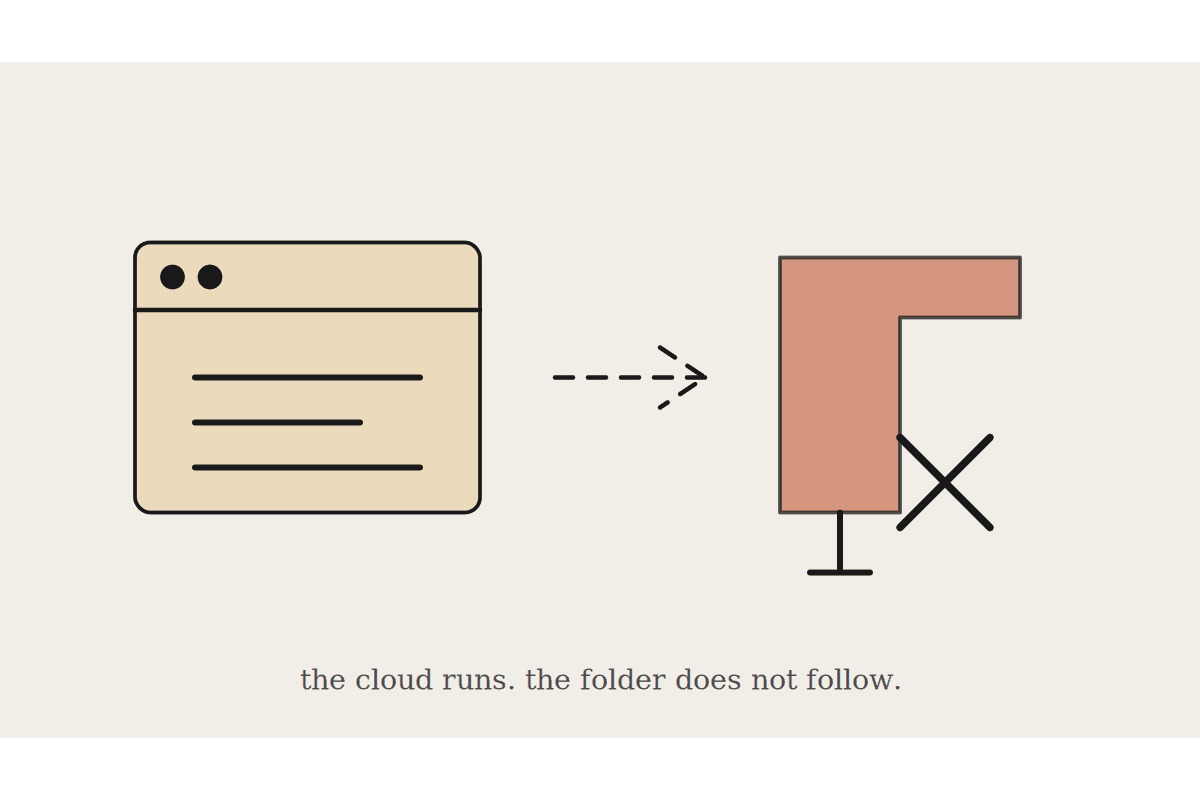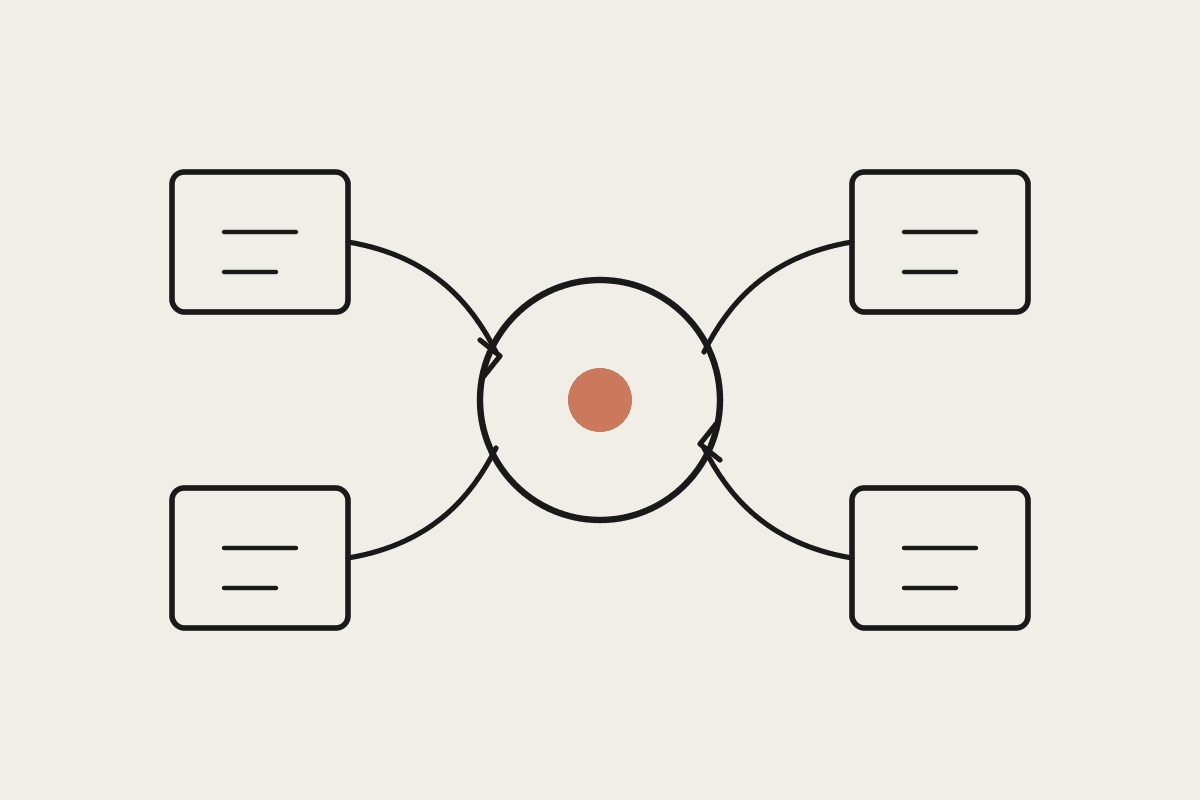
Most customer success teams already run on templates: the renewal email, the onboarding checklist, the quarterly review deck. The problem is that those templates live in someone's head or a buried document, and the quality of any given customer interaction depends on who happens to pick it up. Claude Skills give a customer success team a way to package that repeatable work once and have it run the same way every time, whether it is a new hire or your most senior CSM at the keyboard.
What a Claude Skill actually is
A Skill is a small, named bundle of instructions and reference material that Claude loads only when a task calls for it. Think of it as a written-down procedure your CSMs would otherwise keep in their heads. Each Skill carries the steps, the tone, the guardrails, and any supporting files (a pricing sheet, an objection-handling guide, a health-score rubric), and Claude pulls the right one into context when the work matches.
The important part for a customer success leader is consistency. A Skill is not a clever one-off prompt that only works for the person who wrote it. It is a shared asset the whole team draws on, versioned and improved over time. Three properties make it worth the effort:
Repeatable: the same renewal review runs identically for a $12,000 account and a $250,000 one.
Reviewable: because the procedure is written down, a team lead can read it, correct it, and sign it off.
Portable: a Skill built by your best CSM works for someone in their first week on the desk.
Where Skills fit a customer success workflow
Customer success is full of work that is important, repetitive, and easy to do inconsistently. That is exactly the shape of work a Skill handles well. A Sydney SaaS team we worked with mapped their week and found roughly a third of CSM time went to drafting the same three or four artefacts. Those are the obvious first candidates:
Onboarding plans: turn a signed contract and a discovery-call summary into a 30-60-90 day plan written in the customer's language.
Renewal health checks: pull usage notes, support history, and sentiment into a single risk read before the renewal conversation.
QBR preparation: assemble the recurring quarterly review from your own data and standing talking points.
Escalation summaries: compress a messy support thread into a clear internal brief so the right person acts fast.
A worked example: the renewal health check
Say your team runs renewal reviews 90 days out. The Skill holds your health-score rubric, the questions a CSM should always ask, and the format your leadership expects. A CSM pastes in the account's recent activity, and Claude produces a draft risk read: green, amber, or red, with the reasons and a suggested next step. The CSM edits and sends. The judgement stays human; the assembly does not.
Because the rubric lives in the Skill rather than in each person's memory, two CSMs looking at similar accounts reach comparable conclusions. When leadership changes what a red account looks like, you update one Skill instead of retraining everyone individually. That single point of control is the difference between a process you can trust and a folder of prompts nobody maintains.
What it costs and what to measure
The build cost is modest. A well-scoped Skill takes a day or two to write and test, and most teams start with exactly one. If a CSM saves two hours a week on renewal preparation at a loaded rate of around $65 an hour, that is roughly $6,700 a year per person moved back into actual customer conversations. Across a team of six that is real capacity, and none of it requires new headcount. The point is not to replace the CSM; it is to shift their hours from assembly to relationships.
Measure it the way you would measure any process change: time-to-draft on the artefacts you automated, consistency of output across the team, and whether renewal risk is being flagged earlier than it used to be. Keep data handling in scope too. Under the Privacy Act a Skill should reference where customer data lives and how it is treated, rather than quietly copying it somewhere new.
Getting started without overbuilding
The common mistake is trying to encode the entire customer success motion at once. Start with the single artefact your team drafts most often and likes least. Build one Skill, run it for a fortnight, and let the CSMs mark it up. The corrections they make are the real procedure, and capturing them is most of the value. A second and third Skill come easily once the first has earned its place.
If you want help scoping the first one, we work with Australian customer success teams to find the highest-return Skill and build it with your people rather than around them. You can book a short brainstorm and we will map it together.