On 30 June, Claude Sonnet 5 became the default model on the Free and Pro plans. It is also available to Max, Team and Enterprise users, inside Claude Code and Cowork, and through the Claude API. For an Australian business owner, the headline is simple: agentic work that used to need a larger, pricier model now runs on a mid-tier one.
Anthropic calls Sonnet 5 its most agentic Sonnet model yet. It can make plans, use tools like browsers and terminals, and run multi-step tasks on its own. Its performance sits close to the more expensive Opus 4.8, but at a fraction of the price. That gap between capability and cost is the part worth your attention.
What 'most agentic' means once it is doing your work
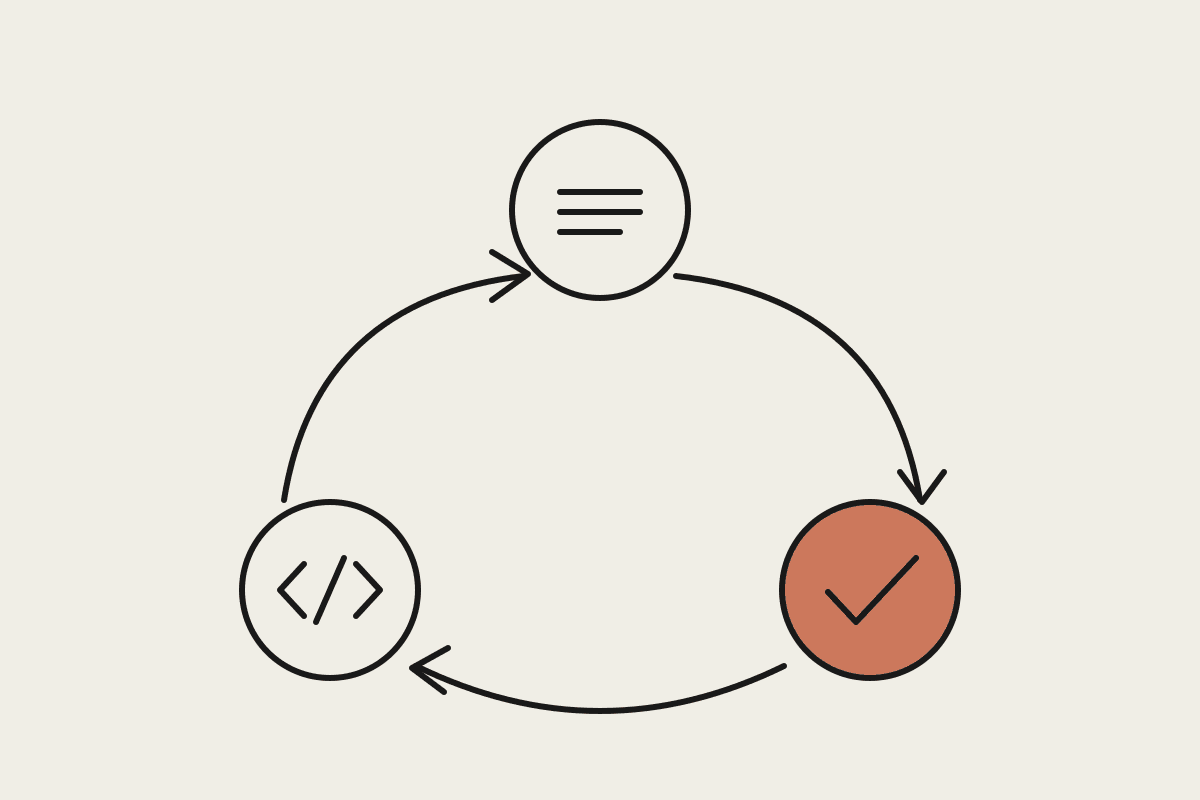
Earlier Sonnet models were strong at coding and answering questions, but they tended to stop short on longer jobs that needed several steps and a few tools. Sonnet 5 is built to carry those jobs through to a finished result. Anthropic's early testers reported that it completes tasks end to end where previous models would stall halfway, and that it checks its own output without being asked.
One example from the launch: a tester handed the model a two-part job, updating account tiers in a CRM and sending a launch announcement to a list of contacts, and it finished both without hand-holding. For a small team, that is the difference between an assistant that drafts and one that actually does the work.
The pricing window that makes this a now decision
Sonnet 5 launched with introductory API pricing of US$2 per million input tokens and US$10 per million output tokens, running through 31 August 2026. After that it moves to US$3 and US$15. For reference, Opus 4.8 sits at US$5 and US$25. So for a large share of agentic work you get close to Opus-level results at roughly a third of the output price.
There is one caveat to model before you budget. Sonnet 5 uses an updated tokeniser, so the same text can map to more tokens than before, somewhere between 1.0 and 1.35 times depending on the content. Anthropic has set the introductory pricing so the switch is roughly cost-neutral, but your real bill depends on your workload, not the headline rate.
A worked example helps. Say a Sydney services firm runs an automation for quote follow-ups and simple support replies, and it costs about A$1,200 a month in model usage on an older setup. Moving that same workload to Sonnet 5 will not change the bill much on its own. The saving shows up elsewhere:
Fewer failed runs. When the model finishes a task in one pass instead of three, you pay for one pass rather than three.
Effort levels you control. Sonnet 5 lets you dial effort up or down, so you reserve the expensive high-effort runs for the work that genuinely needs them.
Fewer people in the loop. A task that reaches a tested, verified result on its own frees a A$45,000-a-year coordinator to spend their time on judgement calls instead of copy-paste.
Where you can use it today
Sonnet 5 is available across the surfaces most Australian teams already touch:
Chat and Cowork, where it is now the default for Free and Pro users.
Claude Code, for engineering and automation work.
The Claude API, as the model string claude-sonnet-5.
The Claude Platform on AWS, and Claude in Microsoft Foundry, with Google Vertex noted as coming soon.
If your business already runs on AWS or Microsoft, that last point matters. It means Sonnet 5 can sit inside the cloud environment your data already lives in, rather than routing through a separate service.
The safety read for Australian businesses
For firms working under the Privacy Act, or in APRA-regulated sectors like finance and insurance, the safety profile is not a footnote. Anthropic's pre-deployment testing found that Sonnet 5 refuses malicious requests and resists prompt-injection hijacks better than its predecessor, with lower rates of hallucination and sycophancy.
On cyber capability, Anthropic deliberately did not train Sonnet 5 for offensive security work, and it performs well below the Opus models on tests of dangerous cyber skills. It still ships with cyber safeguards on by default, the same ones used in the Opus 4.x line, which detect and block dangerous usage in real time. For a risk-averse business, on-by-default guardrails are the sensible starting position.
Before you point Sonnet 5 at anything sensitive, a short checklist still applies:
Confirm where the data goes. If it needs to stay in a particular cloud or region, choose the surface that keeps it there.
Set effort levels per task, so you are not paying high-effort rates on low-stakes jobs.
Keep a human sign-off on anything that leaves the building, such as customer emails or published content.
Start with one task
The practical takeaway for an Australian SMB is that the economics of agentic automation have shifted. Work that was too expensive to justify on Opus is now sensible on Sonnet 5, and the introductory pricing gives you a clear reason to run a pilot before 31 August rather than after. Pick one repetitive, multi-step task, measure what it costs you in hours today, and test whether Sonnet 5 can carry it end to end.
If you would like help scoping that first pilot, book a brainstorm with us and we will map the highest-value task to start with.