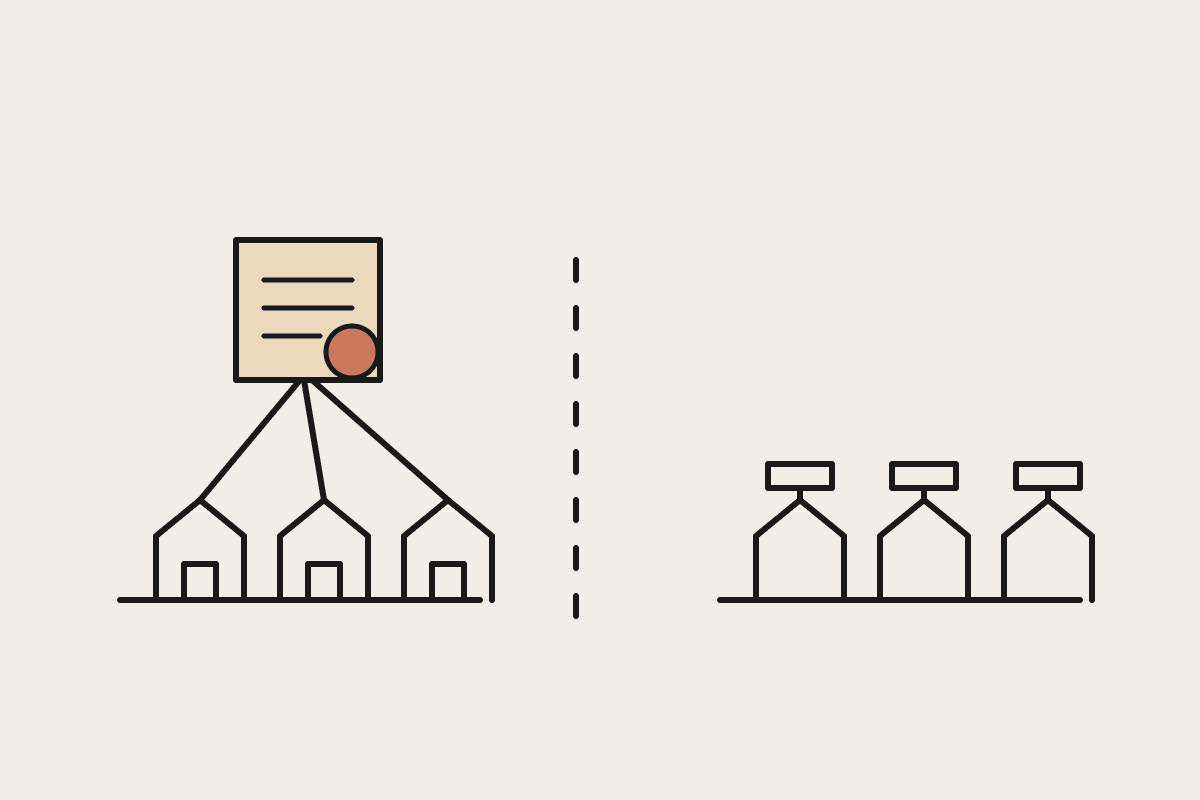
Structural and civil engineering practices across Australia produce two documents on repeat: the calculation report that justifies a design to a certifier, and the certification letter that carries legal weight once a project is signed off. Neither task is difficult engineering work. Both eat hours that a senior engineer would rather spend on the actual design problem. Claude can take on the drafting and formatting load around calculation reports and certification letters without touching the engineering judgement itself, which is exactly the boundary Australian PI insurers care about.
Where the week actually goes
Re-typing calculation software output into a narrative report template, line by line, for every project.
Matching formatting between the analysis model and the written report so a certifier doesn't bounce it back.
Drafting certification wording that matches each state's building act and the certifier's specific checklist.
Building load tables and design summaries that read cleanly instead of as a raw data dump.
Checking that every referenced standard, AS 1170, AS 3600, AS 4100, is cited correctly and consistently.
None of this is engineering judgement. It's formatting, transcription and administrative consistency, and it's the kind of work that quietly consumes a senior engineer's week. A mid-size structural practice in Melbourne with six engineers on staff can lose eight to ten hours per engineer, per week, to report admin and certification paperwork. Multiply that across a year and it's the equivalent of losing a full-time engineer to typing. Claude reads the calculation software output, the engineer's working notes and the project drawings, then drafts the narrative sections of the report: design basis, loading assumptions, load combinations and the results summary.
Calculation reports without retyping everything twice
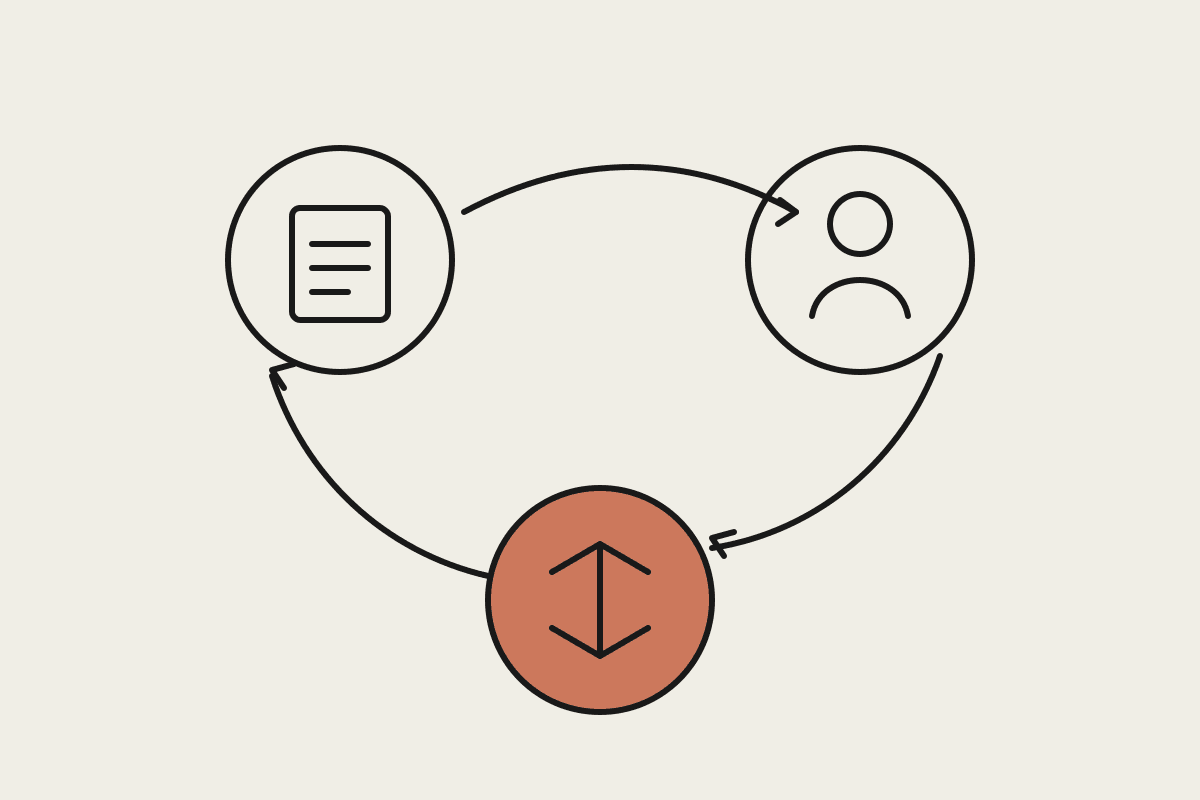
The workflow is straightforward. An engineer exports results from Space Gass, Strand7, LimCon or whatever the practice runs, and uploads that output alongside their working notes and any relevant drawings. Claude drafts the report narrative around those results: the design basis section, the assumptions and load combinations, a plain-English summary of outcomes, and a properly formatted table of the governing cases. What Claude does not do is generate the engineering answer. The numbers come from the engineer's own analysis; Claude is writing the report that explains those numbers to a certifier or a client who isn't going to read a raw output file. The engineer reviews every section, checks the numbers against their own model, and signs off before anything leaves the practice.
That review step matters for professional indemnity cover. Every Australian engineering PI policy assumes the engineer of record has actually checked what carries their signature. Claude's output is a draft, not an issued document. Nothing goes to a certifier, a council or a client until the responsible engineer has read it, corrected it where needed and approved it. In practice this looks the same as reviewing a graduate engineer's first draft: faster, because Claude never gets tired of formatting tables, but the sign-off discipline doesn't change.
Certification letters that still hold up under scrutiny
Certification letters carry specific wording obligations depending on the state: the Building Act 1993 in Victoria, the Environmental Planning and Assessment Act in New South Wales, and equivalent legislation elsewhere all shape what a certification letter needs to say and how it needs to say it. Claude can hold a practice's approved letter templates, adapt the wording to the specifics of a given project, and cross-check that the letter references the correct drawings, revision numbers and standards. What it produces is a draft matched to the firm's own precedent, ready for the certifying engineer to review, adjust and apply their seal to. The seal and the professional judgement behind it stay exactly where they belong.
A cover letter matched to the specific certifier's checklist and submission format.
A clean list of the standards and codes relied on for the certification.
A scope and limitations paragraph consistent with the firm's standard wording.
A cross-check of drawing numbers and revisions referenced in the letter against the current issue.
What this looks like in dollar terms
Run the numbers on a five-engineer structural practice. If each engineer reclaims even six hours a week from report formatting and certification admin, that's close to 1,500 billable hours a year back across the team. At a typical charge-out rate, that's well over $180,000 in capacity a practice can redirect toward fee-earning design work instead of paperwork, without hiring anyone. The setup itself is modest by comparison: a structured Claude Cowork rollout for an engineering practice, including templates for the calculation report and certification letter formats a firm already uses, typically runs a fixed fee in the $3,500 to $5,000 range. Most practices see the admin time drop inside the first fortnight, because the templates are theirs to start with, not a generic starting point.
Getting started without risking your PI cover
The sensible way in is narrow scope first. Start with report formatting and certification letter drafting only, keep Claude away from the calculation itself, and let the engineers build trust in the output over a handful of real projects. Every draft stays inside the practice's existing review and sign-off process, so the audit trail looks identical to what an insurer already expects: engineer does the analysis, engineer checks the draft, engineer signs. Once that pattern is proven on report admin, most practices look at extending it to proposal drafting, tender responses and client correspondence, all still under the same review discipline.
If report and certification admin is the thing eating your engineers' week, Automata AI runs a short working session to map it against your existing templates and standards library. Book a call.