When a team first starts using Claude, the AI usually lives inside one person's chat window. It drafts an email, checks a document, answers a question, and every action happens under that one person's login. Anthropic's new agent identity access model, announced alongside Claude Tag, is built for what comes after that: AI agents that act on behalf of a whole team rather than a single user.
The confirmed headline is simple. Claude Tag introduces an agent identity model that gives autonomous, team-wide AI agents their own scoped access instead of borrowing a human's credentials. The finer mechanics will become clearer as Australian businesses get hands-on, but the direction is already worth planning around, because it answers a question most teams hit the moment their agents start doing real work.
Why agent identity matters now
For most Australian small and medium businesses, the first year of AI use is low risk by design. One person, one chat window, one set of permissions. The moment an agent starts acting on its own, provisioning a resource, calling another agent, or touching a production system, the question shifts from what can this tool do to who is this agent and what is it allowed to do.
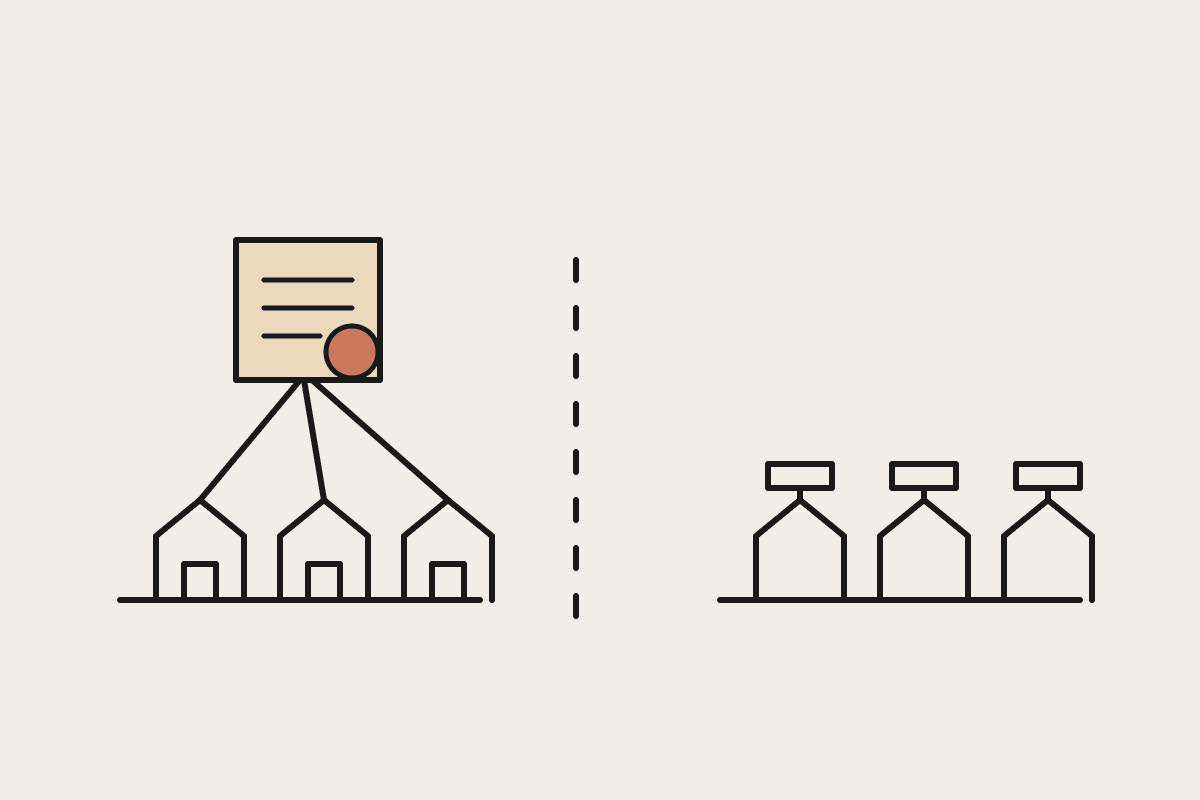
An agent that inherits a staff member's broad credentials is a standing risk. If that person can approve invoices, export the customer database, and change billing details, then so can any agent running under their login. Giving each agent its own identity, with permissions scoped to a single job, is the difference between a contained mistake and an account-wide one. A misfiring agent with read-only access to one folder is a minor annoyance. The same agent with a director's full access can quickly become a $45,000 problem, or worse, depending on what it reaches.
Picture a small Sydney firm that runs a Claude agent to handle after-hours customer questions. Under a shared login, that agent technically inherits whatever the staff account can do, including refunds and record changes it was never meant to make. Give it its own identity scoped to reading the help docs and drafting replies, and the blast radius of any mistake shrinks to something the business can live with.
What team-wide, autonomous AI changes for governance
Once agents run unattended, three habits that used to be optional become essential. They are not exotic, and you do not need an enterprise security team to put them in place.
Access control: each agent gets the narrowest set of permissions its job needs, and nothing more. A booking agent can read the calendar and send confirmations. It has no reason to see payroll.
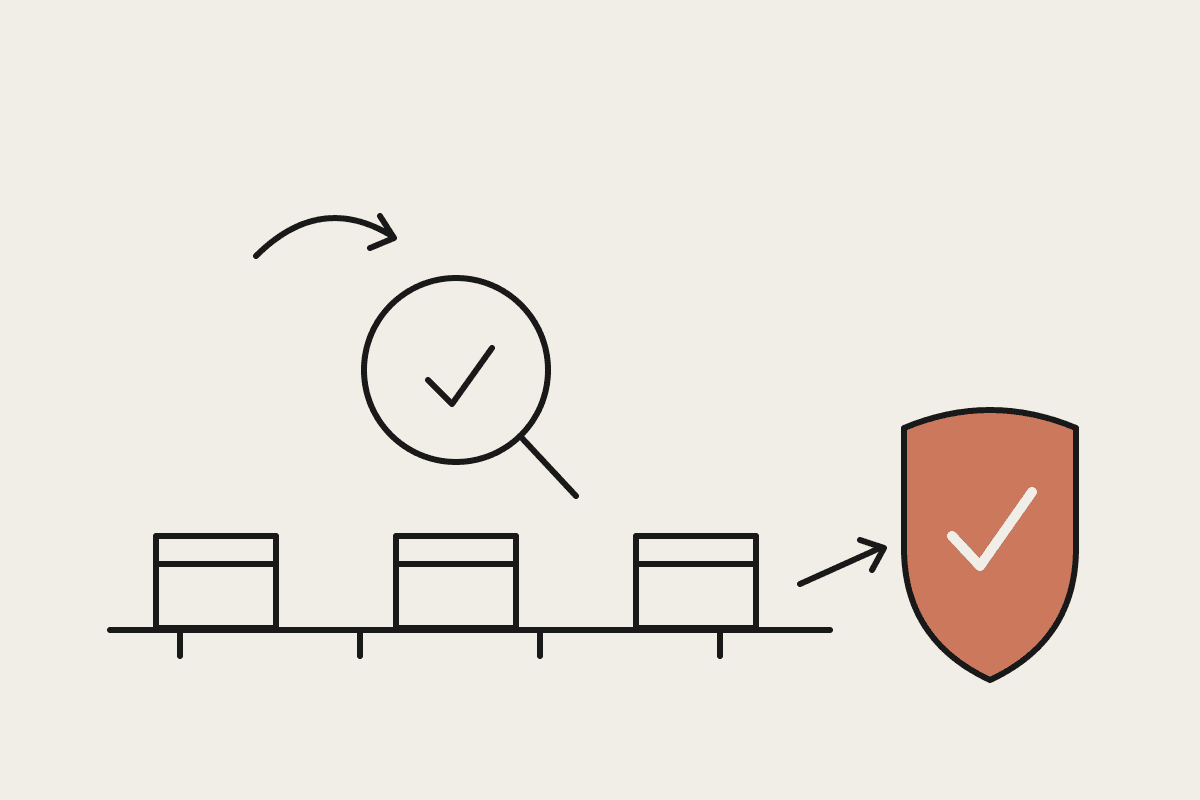
Auditability: every action an agent takes is logged against its own identity, so you can answer who did this after the fact. When the actor is software rather than a person, that trail is the only way to reconstruct what happened.
Approval boundaries: some actions an agent should never be able to approve for itself, such as moving money, deleting records, or granting itself more access. Those decisions stay with a human.
Spend ceilings: an autonomous agent that calls paid APIs or other models needs a hard cap, so a runaway loop costs you $200 and a phone alert rather than $20,000 and a nasty surprise at month end.
Practical guidance for an Australian business
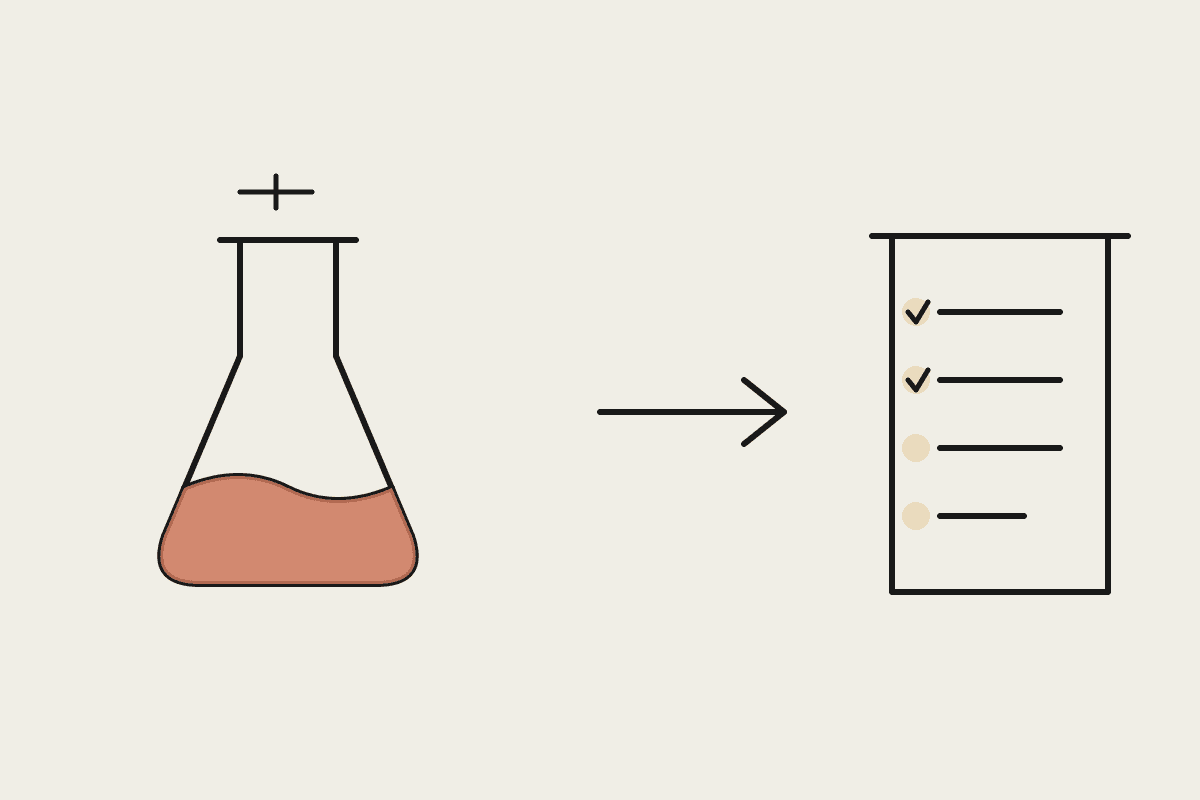
You do not need every detail of Claude Tag to start preparing. The governance habits that make agent identity useful are the same ones that make any AI rollout safe. Start by writing down, for each agent you plan to run, the smallest job it actually does and the smallest set of permissions that job requires. Most teams find the honest answer is far narrower than the access they would have granted by default.
Then decide the boundaries the agent cannot cross on its own. For an Australian business, that usually means anything with a financial, legal, or privacy consequence: issuing refunds, signing documents, or exporting personal information covered by the Privacy Act. Write those down as hard rules a human has to clear, not preferences the agent can talk itself past.
Auditability deserves the same care. Under Australian privacy obligations, if an automated process handles personal data, you should be able to explain what it did and why. An agent acting under its own identity, with its actions logged, makes that explanation possible. An agent hiding inside a shared human login does not. The same logic holds if you work in a regulated part of the economy, where APRA or ASIC expectations around accountability and record keeping do not soften just because the actor happens to be software.
Where this fits a Claude-first approach
At Automata AI we treat this as a scaling question rather than a security afterthought. The work is governing Claude agents safely as you move from one person experimenting in a chat window to a fleet doing real work across the business. An agent identity model gives that a foundation: named agents, scoped access, clear approval lines, and a record of what each one did.
The practical first step is small. Name your agents, decide what each one may and may not do, and turn on logging before you let any of them act unattended. That groundwork costs little and makes every later decision easier, whether you scale to two agents or twenty.
None of this needs a large budget. A sensible governance baseline for a small team, with scoped permissions, approval rules, spend caps, and logging, is a few days of setup rather than a $120,000 platform project. The cost of skipping it tends to arrive all at once, usually at the worst possible time.
If you are starting to let Claude agents act for your team and want a governance baseline that suits an Australian business, we can help you map it out. You can book a brainstorm and we will work through where agent identity fits your setup.