If you run a small business in Australia and you have tried an off-the-shelf AI tax tool, you have probably hit the same wall. Most of them are built for the American system. They talk about 1099 contractors, W-9 forms and quarterly federal estimates. None of that maps to the world you actually live in: quarterly BAS, GST at 10 per cent, PAYG withholding, and Single Touch Payroll reporting to the ATO.
Claude is different in one useful way. It is a general reasoning tool, not a packaged US tax product, so it does not assume the American model. You can point it at your own records, your own obligations and your own accountant's checklist, and it will work inside them. This post walks through what a practical Claude tax-prep workflow looks like for an Australian business, where the real time savings sit, and the one line you should never cross.
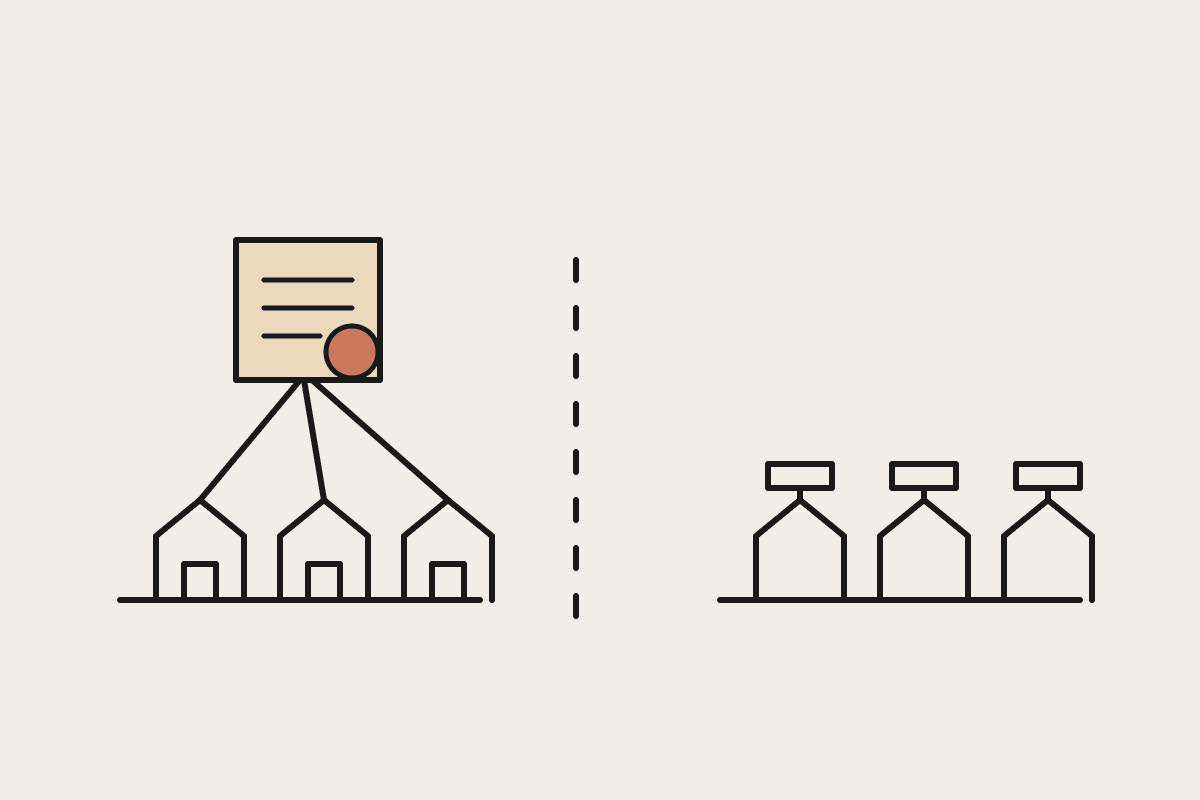
The 1099 world versus the BAS world
The gap between the two systems is bigger than the vocabulary. It changes what data you collect, when you report, and who is allowed to sign off. The main differences worth naming:
In the United States a business issues 1099 forms to contractors and files federal and state returns on a separate calendar. In Australia you report GST, PAYG and often wages through the Business Activity Statement lodged with the ATO, usually each quarter.
GST registration becomes compulsory once your turnover reaches A$75,000, and is voluntary below that. There is no clean US equivalent.
Employee pay and super are reported in real time through Single Touch Payroll, not summarised once a year on a form.
Contractor payments here can carry super and PAYG obligations depending on the arrangement, which a 1099 mindset skips over entirely.
Lodgement is done by you or, far more often, a registered tax agent or BAS agent regulated by the Tax Practitioners Board.
An AI tool that hard-codes the 1099 model will quietly hand you the wrong shape of answer. A general reasoning model that you brief properly will not.
What Claude actually does in a tax-prep workflow
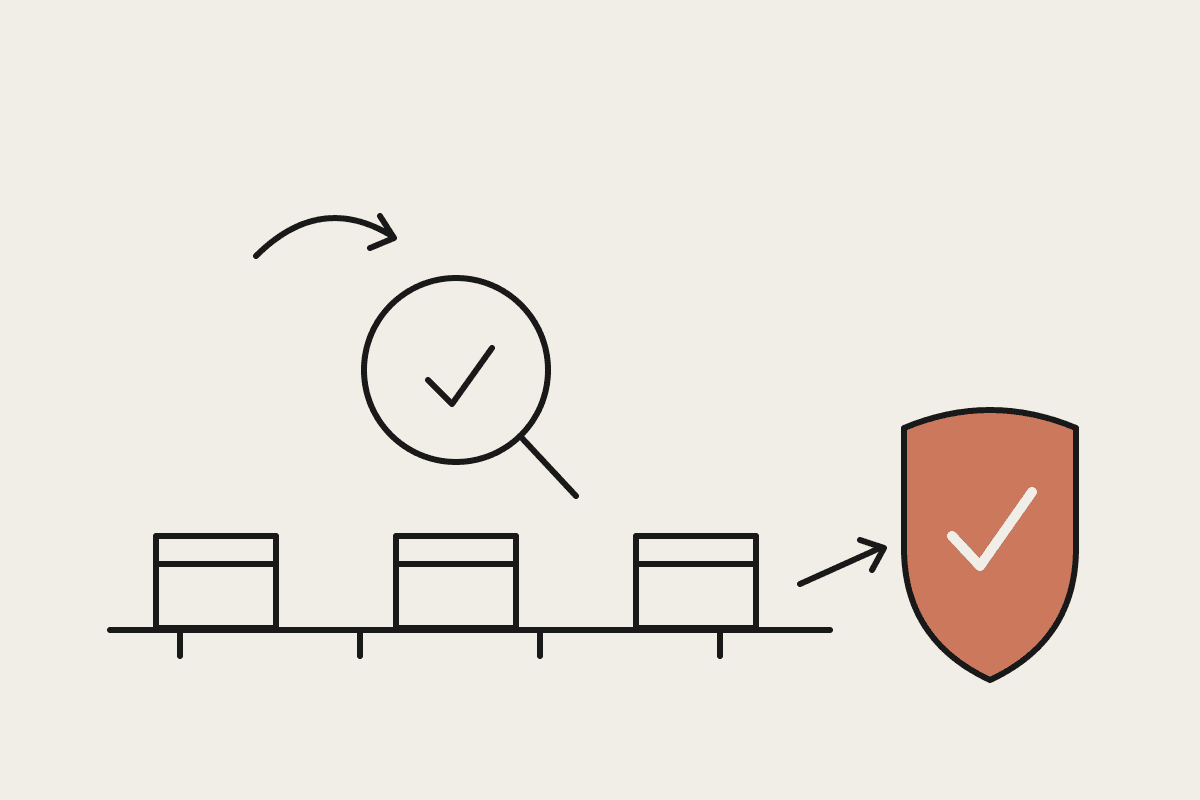
Claude does not lodge anything and it does not replace your accountant. What it does is remove the slow, manual preparation that usually happens before your agent even opens the file. Four jobs cover most of the value:
Sorting and categorising the year
Claude reads an exported transaction file from Xero, MYOB or your bank, groups the entries, flags anything that looks personal, mixed-use or unusually large, and produces a tidy summary your bookkeeper can check. It works from a copy of the data and never edits the ledger itself.
Drafting the BAS working papers
From categorised data, Claude assembles the numbers that feed a BAS: GST collected, GST paid, and PAYG withheld, laid out in a plain working paper where every figure traces back to a source row. Your BAS agent reviews and lodges from there.
Chasing the missing pieces
Most tax-prep pain is missing receipts, unmatched invoices and half-answered emails. Claude builds the chase list, drafts the reminder messages in your own tone, and keeps a running record of what is still outstanding so nothing falls through.
Explaining the numbers
When your accountant asks why motor vehicle expenses jumped, Claude produces the explanation from the underlying data in minutes, rather than you digging back through twelve months of statements.
Categorise a full year of transactions from a CSV export and flag the outliers
Draft BAS working papers with each figure linked back to a source line
Build and send the missing-receipt chase list in your own voice
Write the plain-English notes your accountant needs to sign off faster
The line you should never cross
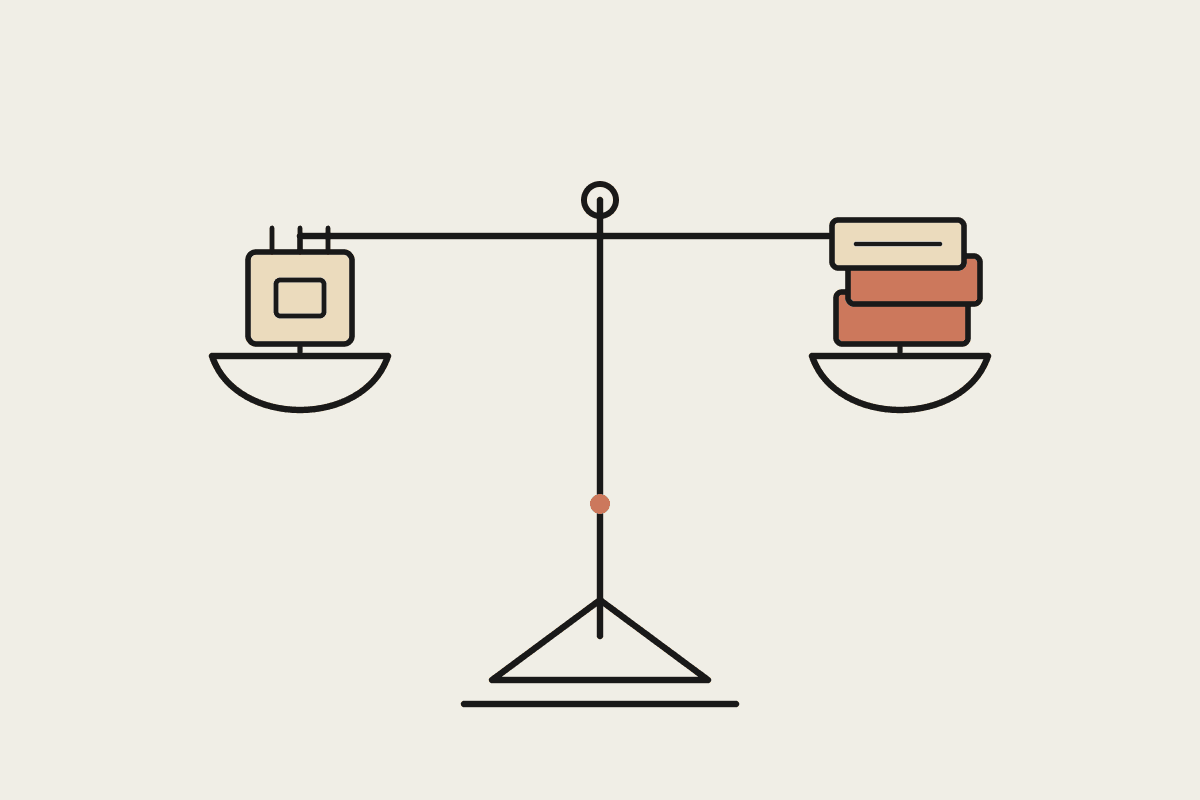
Claude is not a registered tax agent or BAS agent. Under Australian law, lodging a return or a BAS for a fee, or giving tax advice a client relies on, is work reserved for practitioners registered with the Tax Practitioners Board. Claude prepares, drafts and organises. A registered agent reviews and lodges. Hold that division and you get the speed without the compliance risk.
There is a privacy line too. Tax records carry tax file numbers and personal information covered by the Privacy Act. Keep them inside systems you control, and share only the fields the task actually needs. A good workflow is one you could explain to your accountant and your clients without flinching.
What this is worth
A typical small business spends two to four full working days each quarter pulling a BAS together, and pays an accountant somewhere between A$3,000 and A$8,000 a year to clean up records that arrive messy. Halving the preparation time and handing your agent tidy working papers can save a Sydney business close to A$10,000 a year once you count both the internal hours and the lower professional fees. The numbers will vary with your setup, but the pattern is consistent: the cost sits in preparation, and preparation is exactly what Claude is good at.
If you want help setting up a tax-prep workflow that fits the Australian system rather than fighting it, we can map it to your accounting stack and your agent's checklist. Book a short brainstorm with our team through our contact page.