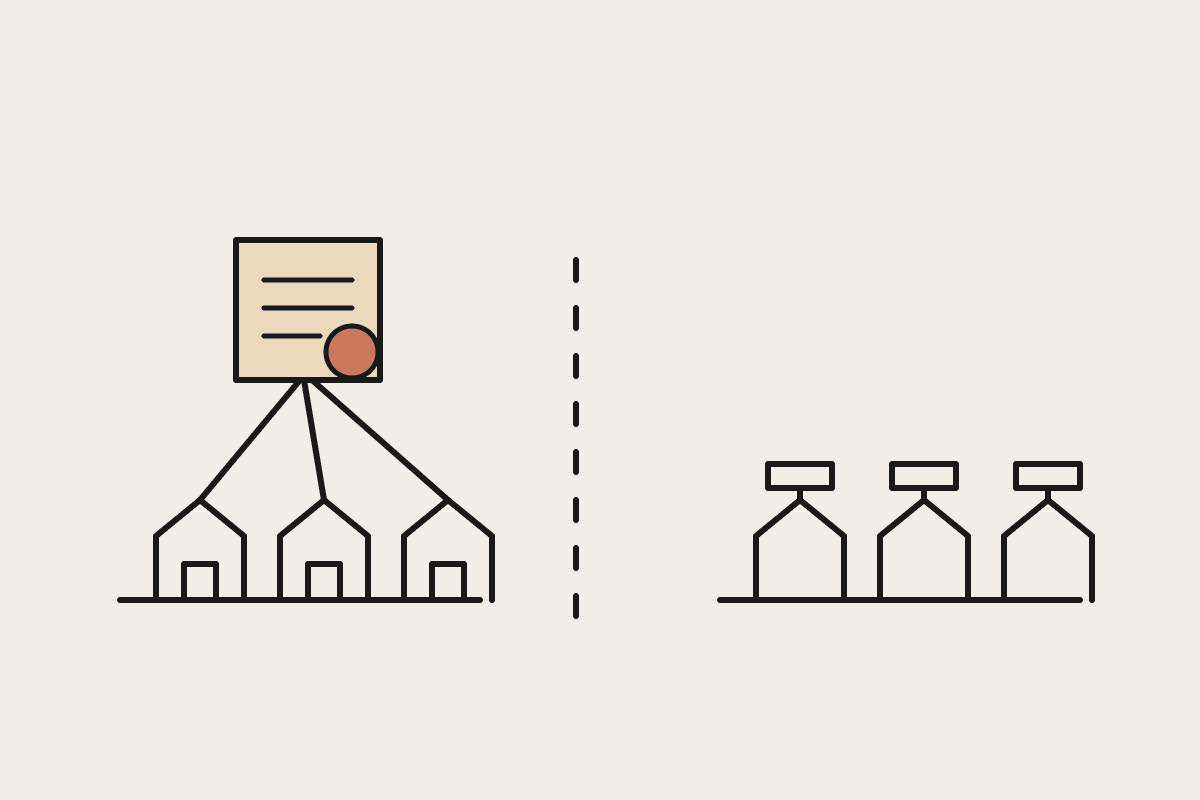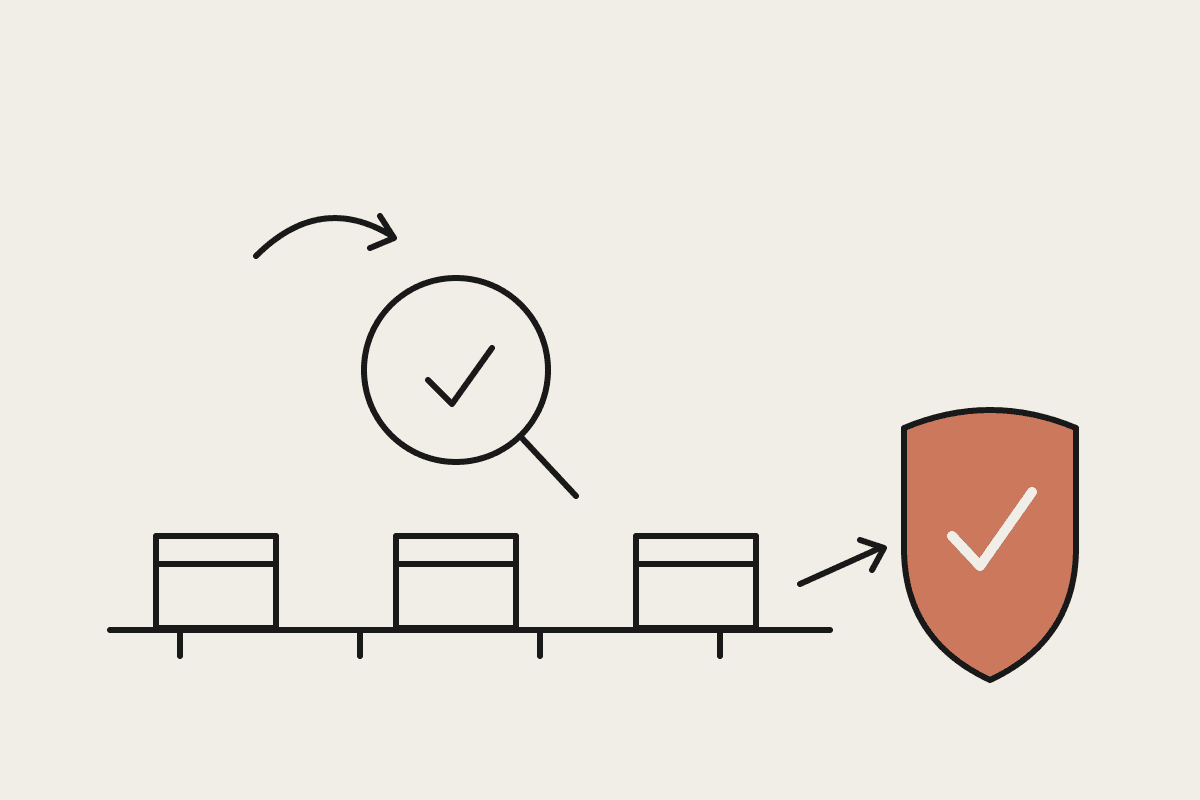
OpenAI launched GPT-Live on 8 July 2026, a new generation of voice models reported by Reuters, TechCrunch and The Verge as a full-duplex step change: the system listens and speaks at the same time, letting people interrupt naturally instead of waiting their turn. Two models, GPT-Live-1 and a smaller GPT-Live-1 mini, replace Advanced Voice Mode in ChatGPT. As reported, queries route to a text model (GPT-5.5) for reasoning rather than chaining separate speech-to-text, language-model and text-to-speech steps. We have not verified OpenAI's internal architecture directly, so treat those specifics as reported rather than confirmed fact.
What OpenAI actually announced
GPT-Live-1 mini is the default for all ChatGPT users; the larger GPT-Live-1 is reserved for paid tiers. The rollout began 8 July 2026 and is positioned as a natural-conversation upgrade rather than an AI companion, with stated safeguards around minors and sensitive topics. The headline capability is full duplex audio: the model can stay quiet while it absorbs context, jump in when interrupted, and in some surfaces present information visually alongside the voice reply. For anyone building or buying voice technology for a business, that is the bar consumer expectations will now be measured against.
Why this matters for Australian businesses, not just ChatGPT users
A consumer voice mode inside ChatGPT is a different product to a branded, controllable voice agent that a business owns and operates on its own phone lines. But customers do not separate the two experiences in their heads. Once someone can interrupt a chatbot mid-sentence on their phone, a stilted, turn-taking IVR menu on a Sydney medical practice's booking line or a Melbourne trades business's after-hours number will feel noticeably behind. GPT-Live raises the UX bar for voice generally; it does not answer the harder question business owners actually face, which is whose stack they are running on and who controls it.
Customer patience for robotic, turn-based phone menus will keep shrinking as full-duplex consumer voice becomes normal.
Latency and natural interruption handling move from a nice-to-have to an expected baseline for any business voice agent.
The build question shifts from "does it sound human" to "do we control the data, the logic and the vendor relationship".
Businesses that already run structured workflows (bookings, CRM lookups, order status) have a real advantage over a generic consumer assistant.
Claude's role: the reasoning brain behind a voice stack you control
Our view at Automata AI is that Claude's job in a voice stack is the reasoning layer, not the audio layer. Claude handles intent recognition, business logic and tool calls through MCP, wired to whichever telephony and speech vendors suit the client's existing setup. That is the pattern we already build for clients: a dedicated phone number, a defined set of things the agent is and is not allowed to say, and a direct line back into the booking system, CRM or knowledge base the business already runs day to day.
Before building or buying a voice agent, here is what we tell Australian owners to weigh:
Latency and interruption handling: the genuine advance in GPT-Live, and the minimum standard to test any vendor against.
Data residency and control: where call audio and transcripts are stored, and whether that satisfies your Privacy Act obligations.
Integration depth: whether the agent can actually read and write to the CRM, booking calendar or practice management system you already use.
Guardrails you define: the ability to set exactly what the agent will and will not commit to, rather than accepting a vendor's default behaviour.
A cost comparison worth doing before you build
Run the numbers before choosing a direction. A full-time receptionist role in Sydney or Brisbane typically costs an Australian small business upwards of $65,000 a year once superannuation and on-costs are included, and that is for coverage during business hours only. A Claude-powered voice agent handling after-hours bookings, order status checks and simple FAQ triage is typically a $8,000 to $18,000 build depending on integration complexity, with ongoing usage costs scaling with call volume rather than headcount. That is not an argument for replacing staff; it is an argument for using an agent where coverage gaps or repetitive call types are costing the business the most right now.
The Automata AI take
GPT-Live is a real step forward for consumer voice, and it will quietly reset what customers expect from every phone-based interaction, including business ones. That does not mean the answer is a generic consumer assistant bolted onto a support line. For an Australian business, the better move is a Claude-powered voice agent purpose-built around your own systems, your own guardrails and your own data controls, where a consumer voice mode simply was not designed to fit.
If you are weighing up a voice agent build for your own business, book a brainstorm session with Automata AI and we will map out whether it stacks up against what you are spending on coverage today.