On 4 June 2026, OpenAI announced a new memory system for ChatGPT it calls Dreaming. Instead of waiting for you to ask it to save something, the feature runs in the background, reviews your past conversations, and synthesises what it judges to matter into a standing memory it keeps up to date. For Australian businesses already weighing how much of their work to trust to an AI assistant, it is a useful moment to ask a sharper question. Not which model is smarter, but what an AI remembers about your business, and who decides.
What OpenAI actually shipped
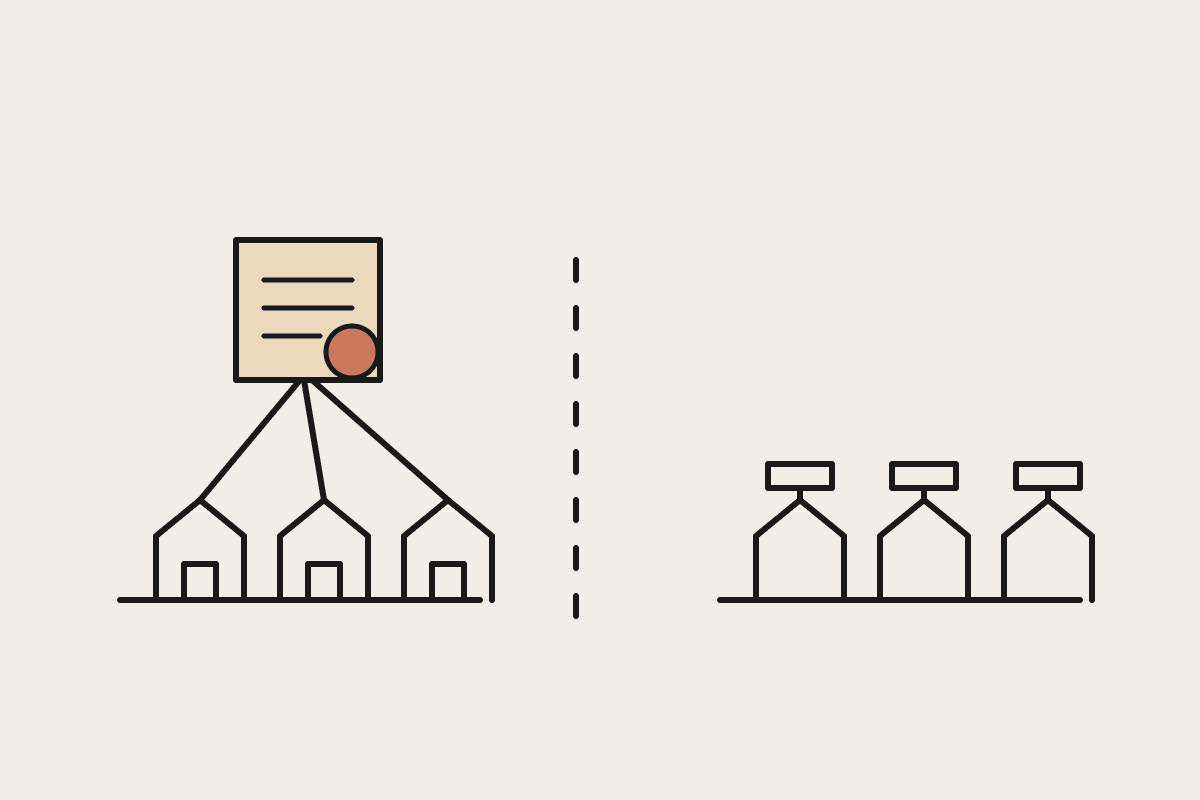
Dreaming is a background process. Rather than relying on explicit save requests, it reads across many chats and captures context that surfaces naturally in conversation, then writes that into memory. OpenAI says it also updates time-sensitive details on its own as circumstances change, so a note about a project deadline or a team structure can shift without you prompting it. You get a memory summary page where you can review what ChatGPT has learned, edit or add details, and set limits on which topics it raises and when.
OpenAI reports its own benchmark gains for the update: factual recall rising from 67.9% to 82.8%, preference adherence from 55.3% to 71.3%, and time-sensitive memory from 52.2% to 75.1%. Those are vendor-reported figures rather than independent results, so read them as a direction of travel, not a guarantee. Some coverage refers to the release as Dreaming V3, an evolution of a background memory process OpenAI first trialled in 2025.
There is a practical catch for local teams. The rollout starts with US Plus and Pro accounts, with other regions and the Free and Go tiers following over the weeks after. Australian users wait. If you are planning a workflow around this capability, it is not evenly available here yet, and that alone is a reason not to build a process on it today.
How Claude approaches memory differently
Claude takes close to the opposite stance. Memory in Claude is something you point, not something that accumulates on its own. You load project knowledge deliberately, you can see exactly what context a project holds, and admin controls govern what is shared and retained. The difference is less about raw capability and more about who holds the pen. ChatGPT's Dreaming decides what is worth remembering and curates it for you. Claude asks you to decide, and keeps the record inspectable.
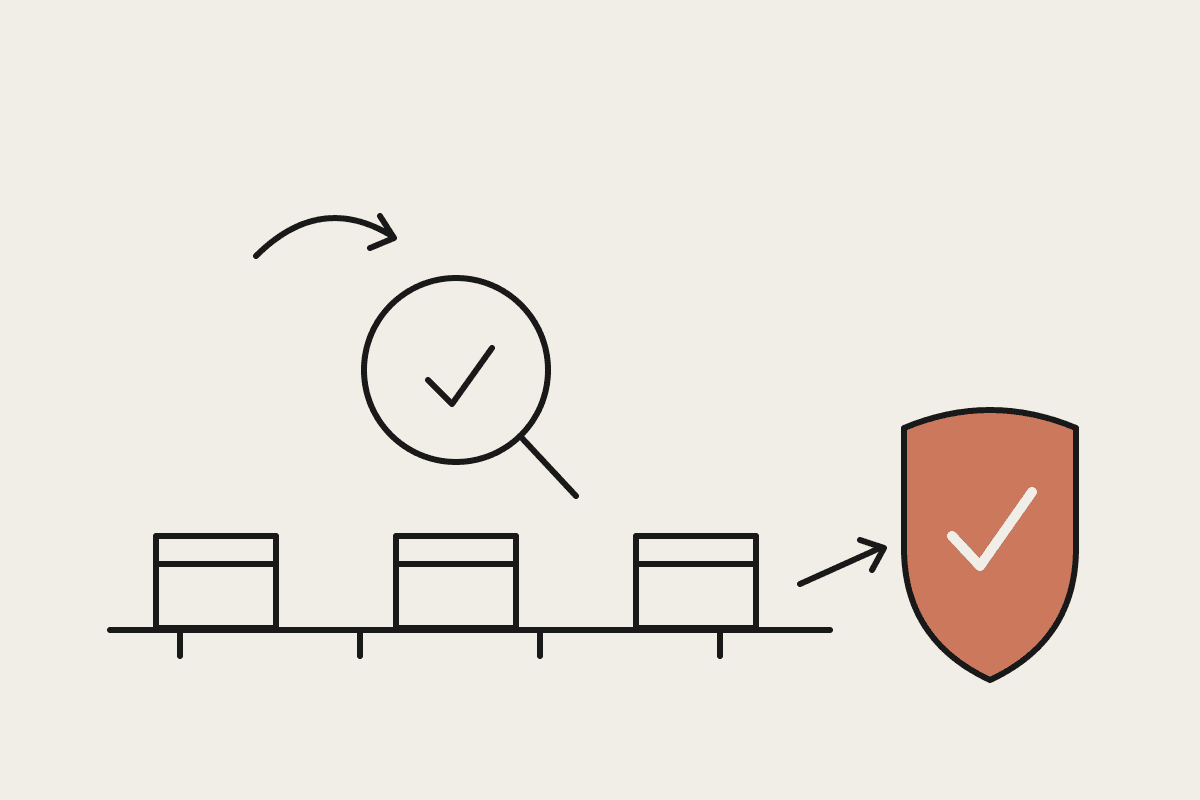
That distinction matters most when the data is not yours alone. Australian firms doing client-confidential work, regulated advice, or anything touching the Privacy Act have a reasonable interest in being able to answer one plain question: what does the assistant know, and can we show it. An explicit, inspectable memory makes that answer easy. A background process that quietly assembles a profile of your business across hundreds of chats makes it harder, even when the intent behind it is good.
A few questions are worth asking before you let any AI hold a standing memory of your business:
Can you see the full record of what it has stored, in one place, without guessing?
Can you correct or delete a specific memory, and does that deletion actually stick?
Does memory stay scoped to the right project, or does it bleed across unrelated client work?
Who in your organisation can view or change what the assistant remembers?
If a regulator or a client asked what the AI knows about their data, could you answer in an afternoon?
Which approach fits your risk appetite
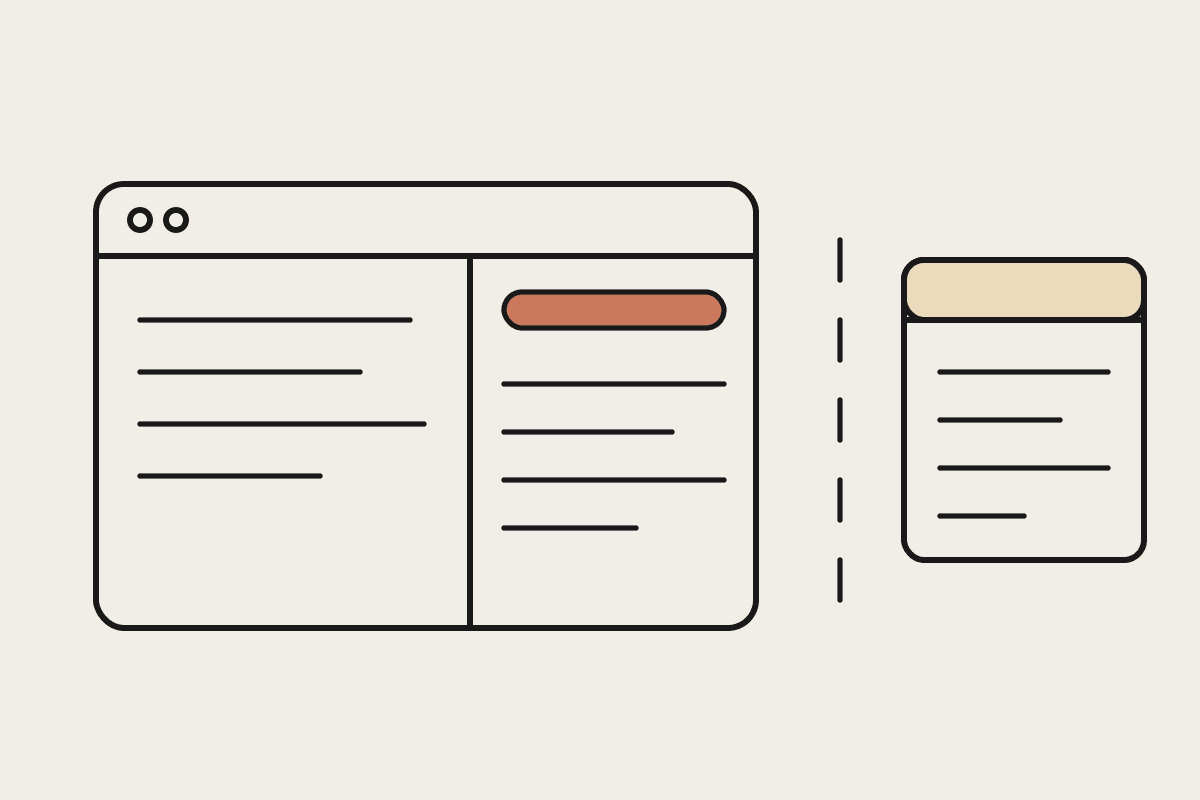
Neither approach is wrong. Auto-curated memory is genuinely convenient for an individual who wants an assistant that gets to know them over time without admin overhead. Explicit memory suits teams that need to defend what their tools hold. Most Australian businesses we work with land closer to the second camp, not because they distrust the technology, but because their clients and their regulators expect a clear chain of custody over information.
The cost of getting this wrong is not abstract. A single privacy incident involving client data can run well past $50,000 once you account for notification, remediation, and lost billable work, before any reputational damage. Set against that, the few hours it takes to choose a memory model on purpose and configure it properly is cheap insurance. The goal is to make the decision deliberately rather than inherit whichever default your vendor happens to ship.
If you are sorting out which assistant should hold what, and how to configure it so your team and your clients are comfortable, that is a decision worth making once and getting right. Automata AI helps Australian businesses choose and set up their AI stack, including how memory and data controls are configured. If that would help, you can book a short brainstorm with us.