DeepSeek V4 Pro now reaches 80.6% on SWE-bench Verified under an MIT licence. That puts it within a fraction of a point of the leading closed models on coding tasks, at a far lower cost of access. For a Sydney team watching the budget, that is a real and tempting number. The harder question is not which model scores higher on a public benchmark, but which one earns its place in your business once the work gets messy. Here is how we help Australian teams make that call.
What DeepSeek V4 brings to the table
The appeal is straightforward. DeepSeek V4 is strong on code, cheap to access, and permissively licensed, which means a team with its own inference stack can put it to work without waiting on a vendor contract. For the right workloads, that mix is hard to argue with.
High-volume batch jobs where a few seconds of extra latency does not matter
Internal tooling with low downside if an answer is occasionally wrong
Code-heavy tasks that play to the model's measured strength
Teams with the engineering depth to host, scale, and secure it themselves
In those cases the savings are genuine, especially at volume where per-call API charges would otherwise stack up over a year. If your work looks like this, DeepSeek deserves a serious look. The trouble starts when teams assume that strength on a benchmark carries over to every other kind of work.
Where Claude stays ahead
The calculation shifts the moment the work becomes customer-facing, agentic, or sensitive. Benchmarks measure a model on tidy, self-contained problems. Most business work is neither tidy nor self-contained, and that is where a managed model like Claude still leads.
Steadier behaviour when an agent runs for hours across many tool calls
Clear accountability and mature safety tooling out of the box
No servers to staff, scale, or secure at two in the morning
Faster delivery for a team without a dedicated platform group
A coding score tells you little about how a model behaves on the twentieth step of a long task, or how it handles an instruction it has not seen before. Reliability across long, untidy runs is the quality that separates the two in practice, and it rarely shows up on a leaderboard.
The hidden cost of self-hosting
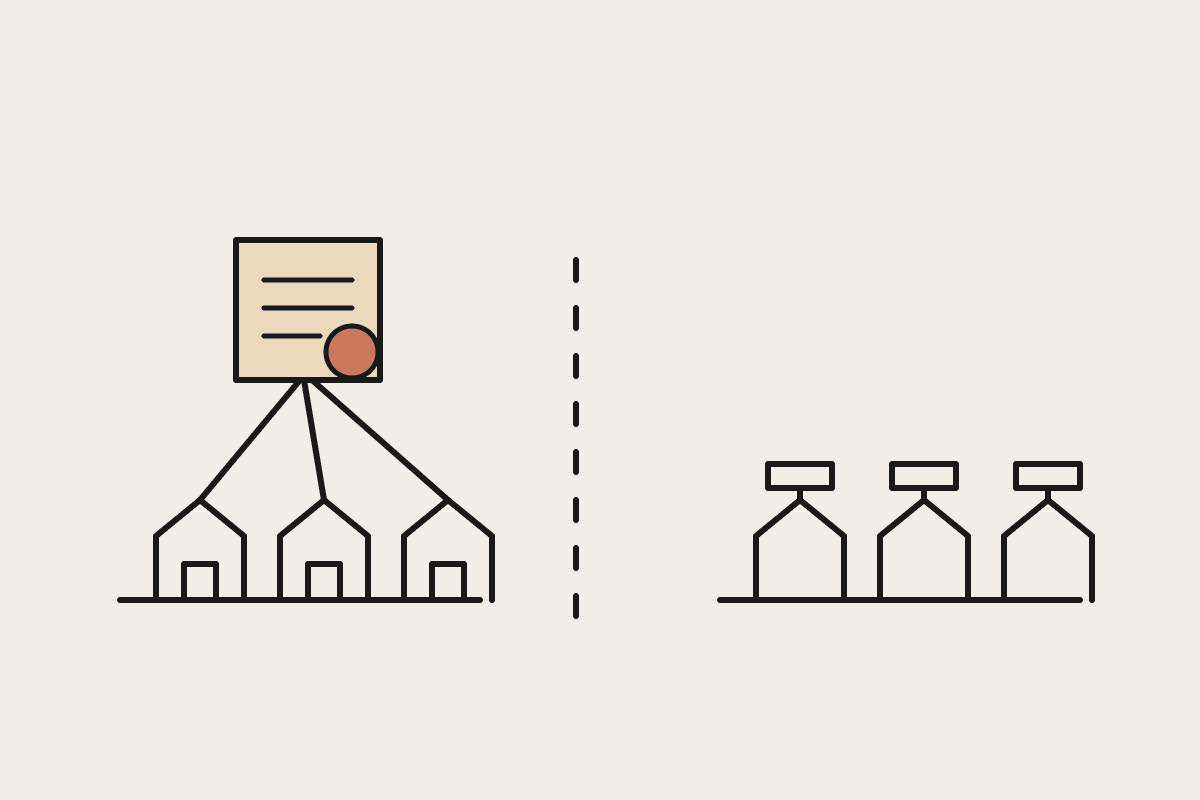
DeepSeek is free to download, not free to run. A Sydney team that self-hosts takes on the full operating burden, and that cost is easy to miss when the headline is an open licence and a high benchmark score.
GPU rental that keeps billing whether or not the model is busy
An engineer who understands inference, scaling, and security
Monitoring and incident cover for when a node fails mid-job
Privacy Act work for any personal data the model touches
A modest self-hosted setup can reach $60,000 a year once compute, on-call cover, and security are counted. For a regulated workload, APRA-aligned controls and data residency add more again. None of that appears on the download page, but all of it appears on your invoices. A benchmark cannot warn you about that gap, but a year of running the system certainly will.
Run the test, do not guess
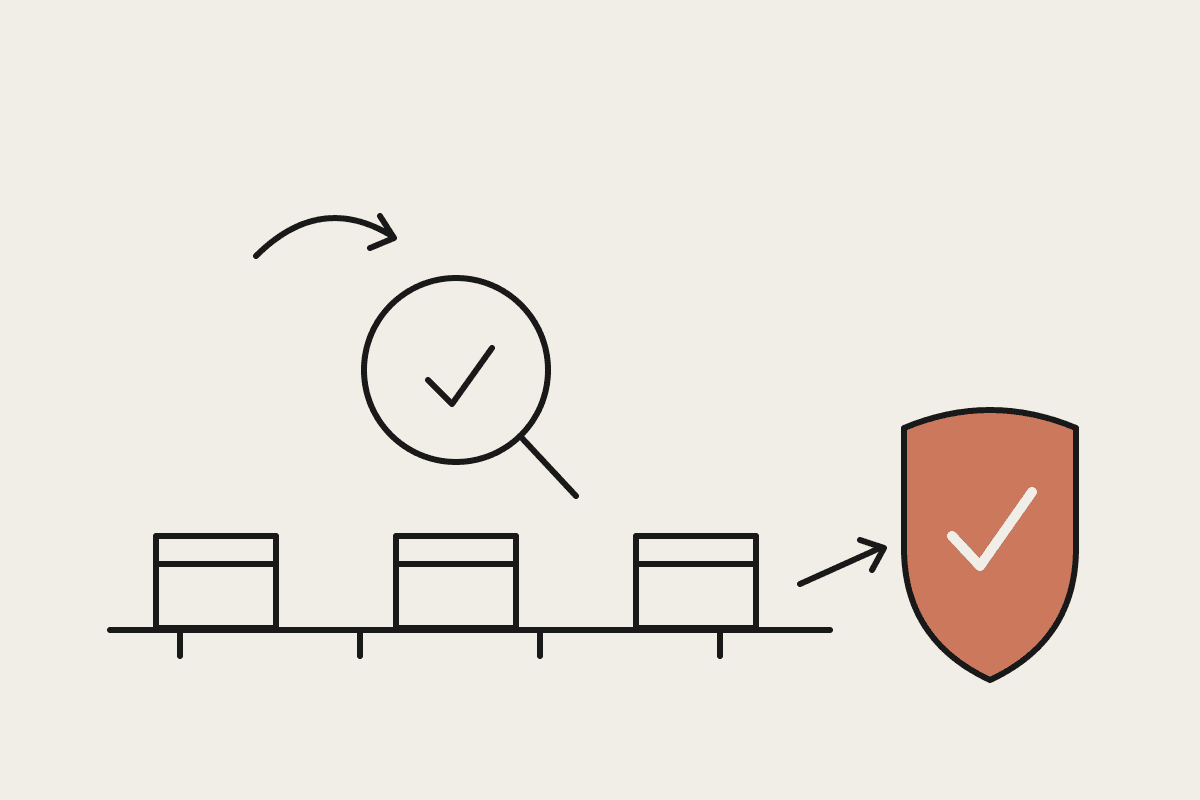
The only way to settle this for your business is to run both paths on your real tasks. A realistic Australian pilot that pits Claude against DeepSeek V4 over six weeks costs around $15,000. That spend buys a clear, evidence-based answer instead of an opinion borrowed from a leaderboard.
Define two or three workloads that reflect your actual work
Measure quality, cost at real volume, and the support burden
Decide with numbers, not vibes
We run these comparisons for Sydney and Melbourne teams and hand back a recommendation rather than a sales pitch. Sometimes the answer is DeepSeek, often it is Claude, and we keep a Claude-first default where the stakes are high. Book a brainstorm and we will scope a fair test.
How we run the comparison
A fair head-to-head needs structure, or it turns into a debate about opinions. The point is to remove the guesswork before any money is committed to a build.
Pick two or three tasks that mirror your real daily work
Score each model on quality, cost at volume, and effort to run
Keep a written record so the decision survives staff changes
For a Sydney team, that turns a $15,000 pilot into a durable answer you can point to for a year, not a gut call you have to defend every time the leaderboard changes hands. The model that wins on your tasks, at your volume, under your obligations is the one worth building on. Everything else is noise from a chart that will look different next month.