Mistral AI's Le Chat Enterprise keeps coming up in board conversations across Australian mid-market firms, usually framed as the safer, more sovereign alternative to the two dominant US labs. The pitch sounds reasonable on paper: a French company, European data centres, and a public alternative to Silicon Valley concentration. It is a fair question for any board to ask. It is a much harder case to actually build once you compare what Le Chat Enterprise ships today against what an Australian business already running Claude has in production. We work with clients across Sydney, Melbourne and Brisbane who have asked us to cost out this exact switch, and the answer rarely matches the sales deck. Below is what we found when we actually ran the numbers, not the marketing copy.
What Le Chat Enterprise actually offers
Le Chat Enterprise is a genuine product, not vapourware. It gives teams a chat interface, a set of connectors to common productivity tools, some agentic workflow features, and hosting inside the EU with heavy GDPR-first marketing. For a European business bound by EU procurement rules, that is a coherent pitch. For an Australian business, several of those selling points do not translate cleanly. The connector ecosystem is thinner than Claude's, particularly for the Xero, MYOB and local government-adjacent tools Australian SMBs actually run. Independent benchmarks, not just vendor claims, still show a gap on coding tasks and long-document reasoning against Claude's Fable 5 and Sonnet 5 models. And support runs on European hours, which is an awkward fact when your incident happens at 9am AEST and the support desk in Paris is asleep.
EU hosting and data residency marketed hard on GDPR alignment, not the Australian Privacy Act principles your contracts and clients actually reference
A thinner connector and integration library, meaning more custom build work to reach the same coverage an established Claude and MCP setup already has
Support and account management running on European hours, with limited local partner presence for AU-based incident response
Coding and long-context benchmark results that still trail Claude on independent tests, which matters once your use cases go beyond simple chat
Where the sovereignty argument breaks down for Australian businesses
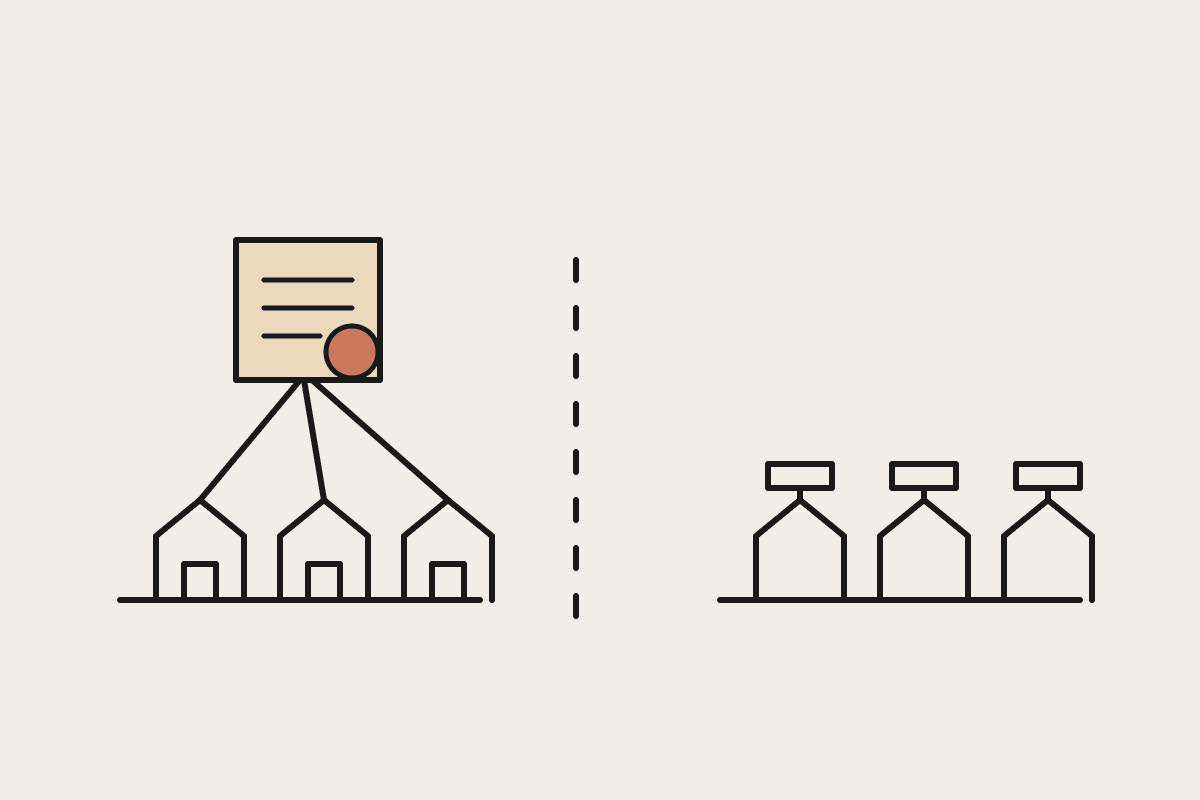
Data sovereignty for an Australian business is governed by the Privacy Act and the Australian Privacy Principles, not the GDPR. European hosting does not automatically satisfy an Australian regulator, an Australian client contract, or an Australian court order. If you are an APRA-regulated entity, a bank, insurer, or superannuation fund, your outsourcing and data governance obligations under CPS 230 care about who can compel access to your data and how you manage the vendor relationship, not simply which continent the servers sit on. AUSTRAC-regulated fintechs have their own audit trail requirements, and Claude's deployment history across Australian financial services businesses means those questions have already been worked through by other firms in your position. Swapping to a European vendor does not remove your Privacy Act obligations. It just adds a second jurisdiction's rules on top of the one you already have to satisfy, without automatically buying you anything in return.
Total cost of ownership, in real dollars
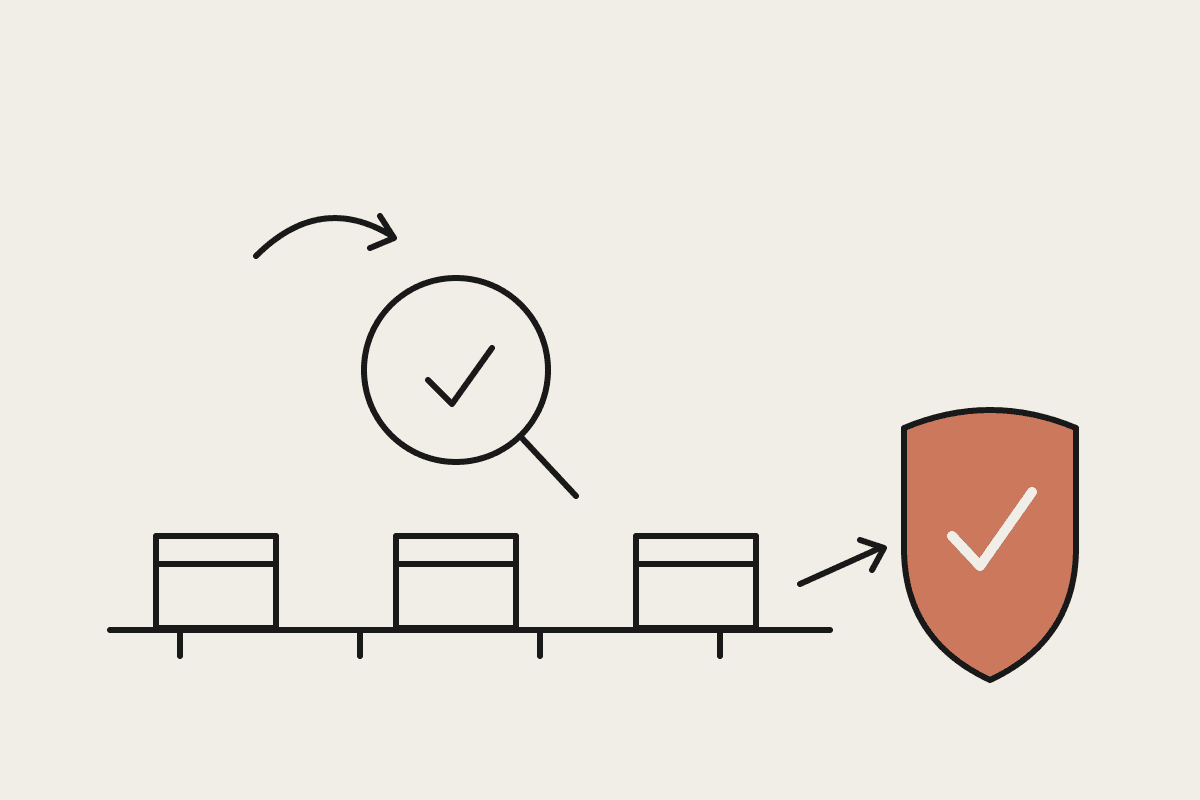
For a 40-person professional services firm with an established Claude workflow, API access, Claude Code for internal tooling, and connectors already tuned to their systems, switching to Le Chat Enterprise is not a configuration change. It is a re-platforming project. Every integration gets rebuilt, every staff member gets retrained, and every output needs to be re-validated against existing SOPs before anyone trusts it in front of a client. We have costed migrations like this for clients at $45,000 to $70,000 in consulting fees and internal staff time before the new system produces a single dollar of measurable value. On top of that, Le Chat Enterprise's enterprise pricing is negotiated per seat and considerably less transparent than Anthropic's published API rates, which makes it harder to forecast your actual run-rate twelve months out.
When Le Chat Enterprise genuinely makes sense
None of this makes Le Chat Enterprise a bad product. If your business is EU-domiciled and contractually bound to keep data on European soil, or your board has a specific mandate to avoid US-headquartered vendors regardless of technical capability, it is a legitimate choice. What it is not, is automatically more compliant for an Australian business simply because it is European rather than American. The capability gap is real for anything beyond straightforward chat, and the migration cost is real money that has to come from somewhere in your budget this financial year.
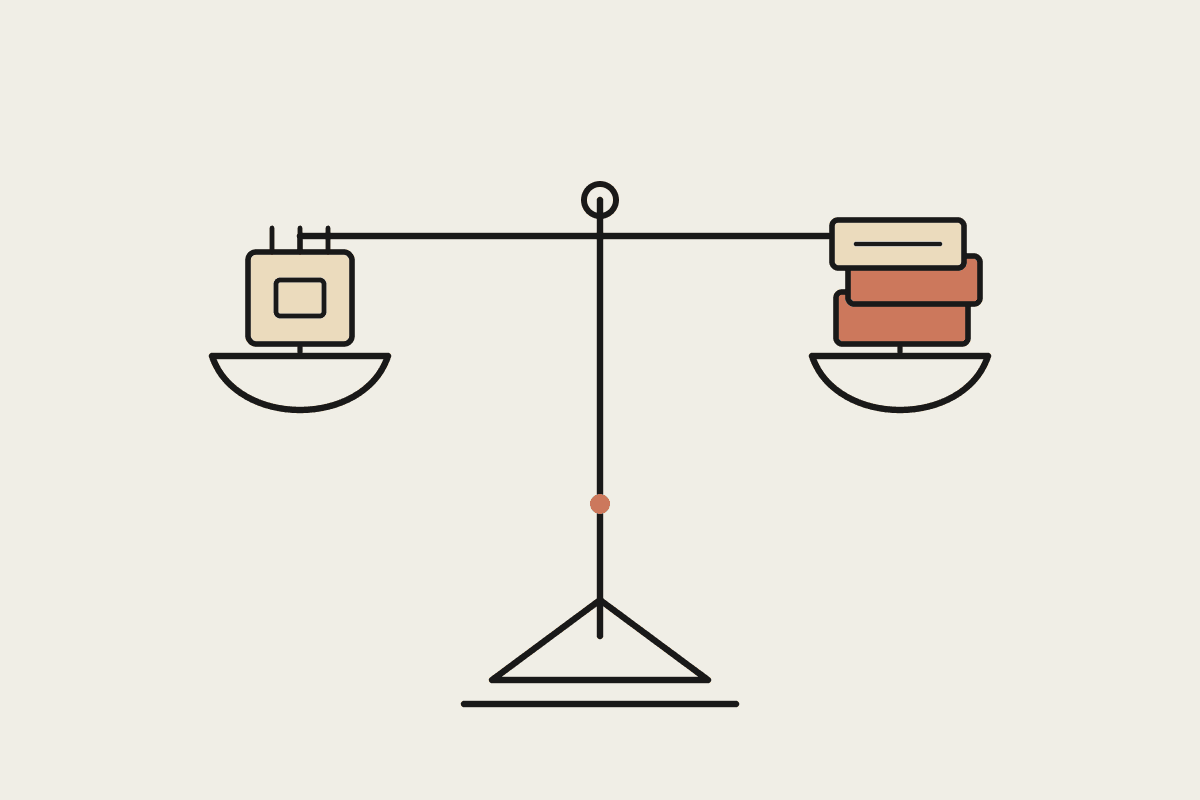
The honest advice for most Australian SMBs weighing this decision is to separate the sovereignty question from the model-quality question, price both properly against your own numbers, and avoid letting one vendor's marketing set the terms of comparison. If you want a second opinion on your specific stack and what a genuine switch would cost your business, book a session with us and we will walk through it against your actual figures, not a slide deck.