Most Australian web and digital agencies run lean by necessity: a handful of developers, a project manager wearing three hats, and a founder still writing proposals after the kids are in bed. The work that pays, design, build, launch, gets the attention. The work around it, scoping accurately, testing thoroughly, and handing a finished site over cleanly, gets squeezed into whatever hours are left over. Claude fits into exactly that gap. Not replacing the agency's judgement on a project, but doing the drafting, checking, and documenting that eats hours without ever appearing on an invoice.
Where the billable hours quietly disappear
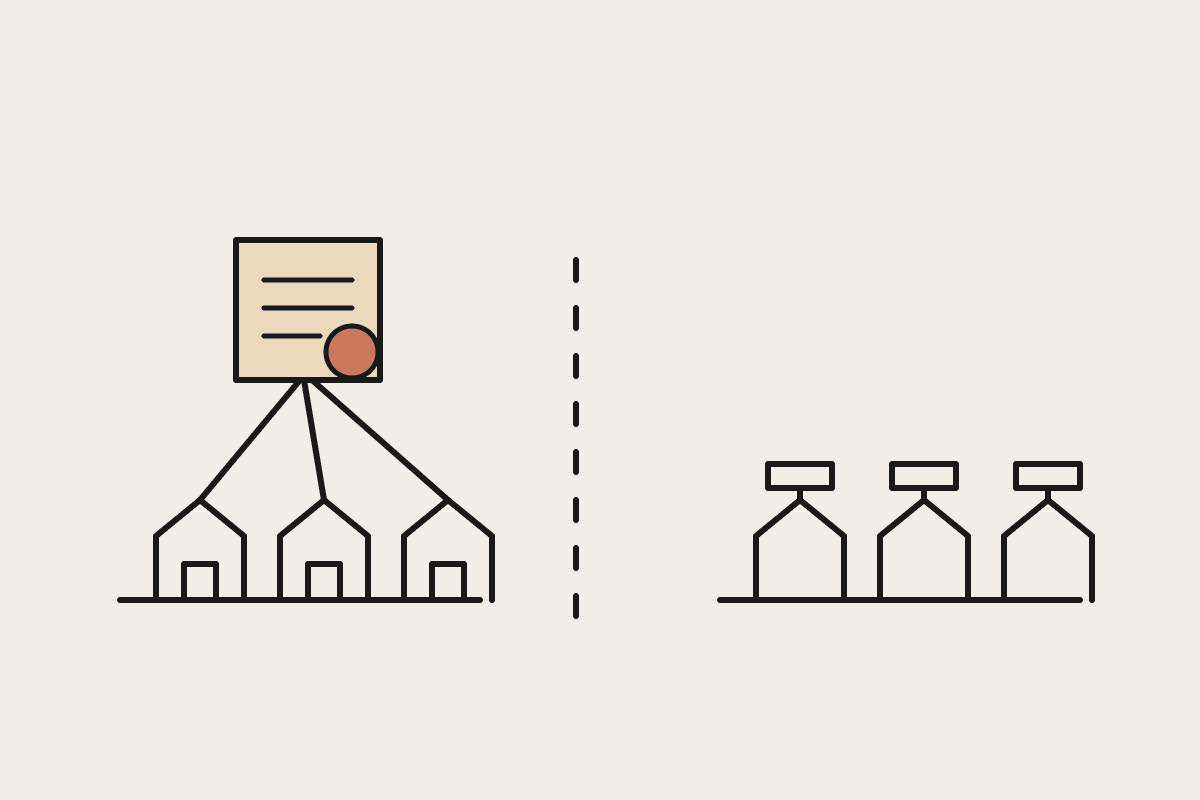
Scoping is where agencies lose the most time relative to what they actually bill for it. A Sydney web shop might spend three to five hours on a single proposal: rereading discovery notes, guessing at page counts, checking what a similar job cost last time, then writing it all up in a way the client will actually read past the first paragraph. None of that is specialist work. It is pattern-matching against past projects and turning messy notes into a structured document, which is exactly the kind of task Claude handles well when it is given the raw material to work from.
Fed a discovery call transcript or a client's scrappy brief, Claude can produce a first-pass scope of work: a page inventory, a feature list, a draft estimate range benchmarked against the agency's own historical job sizes, and a plain-English summary a non-technical client can approve without a follow-up call to explain what "headless CMS" means.
Turn a 45-minute discovery call recording into a structured SOW draft with page counts, integrations, and a change-request clause already in place
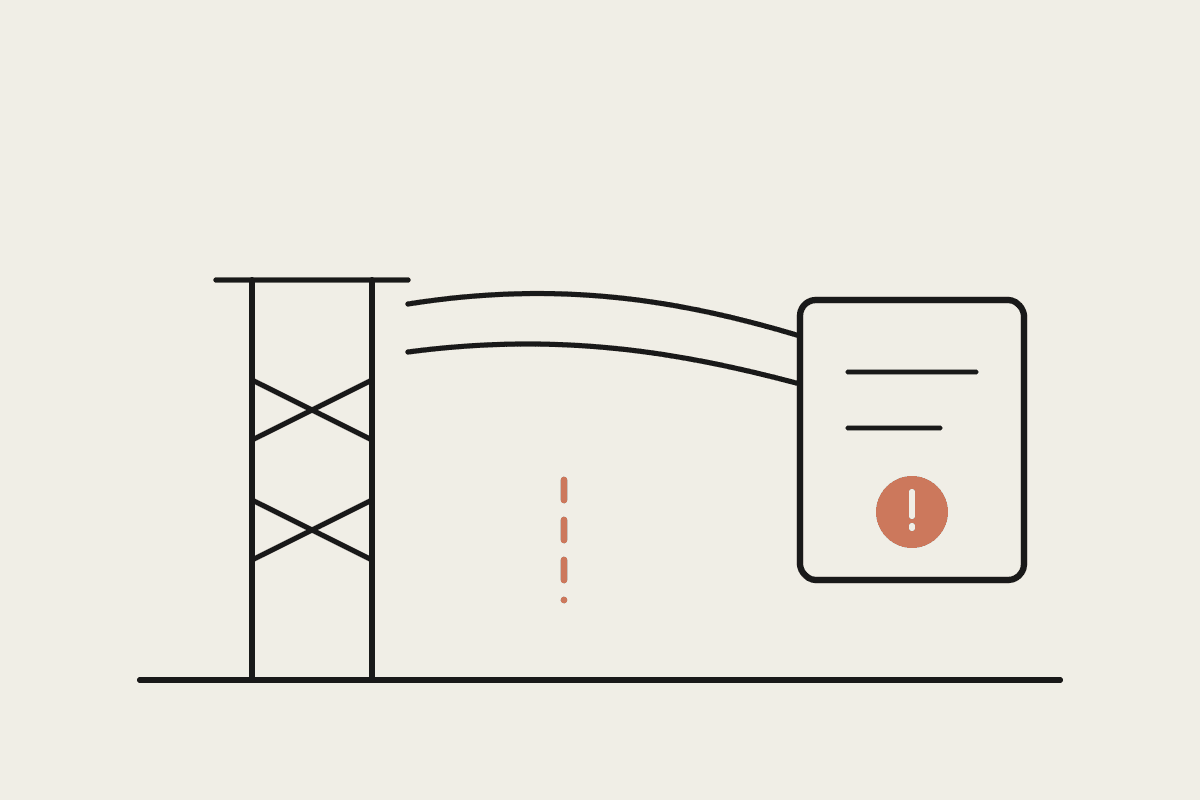
Flag scope-creep language in client emails, the "just one more small thing" pattern, before it turns into an unbilled feature
Benchmark a new quote against the agency's last twenty similar jobs so pricing does not quietly drift down project by project
Draft the client-facing summary separately from the internal estimate, so nobody accidentally forwards the raw hourly breakdown
QA before it becomes a client email
Most small agencies do not run a formal QA pass. They build, do a quick click-through, ship, and let the client's first week of use become the test suite. That is fine until launch week produces eleven separate emails about broken things, three of which turn out to be the same underlying bug described three different ways by three different people in the client's office.
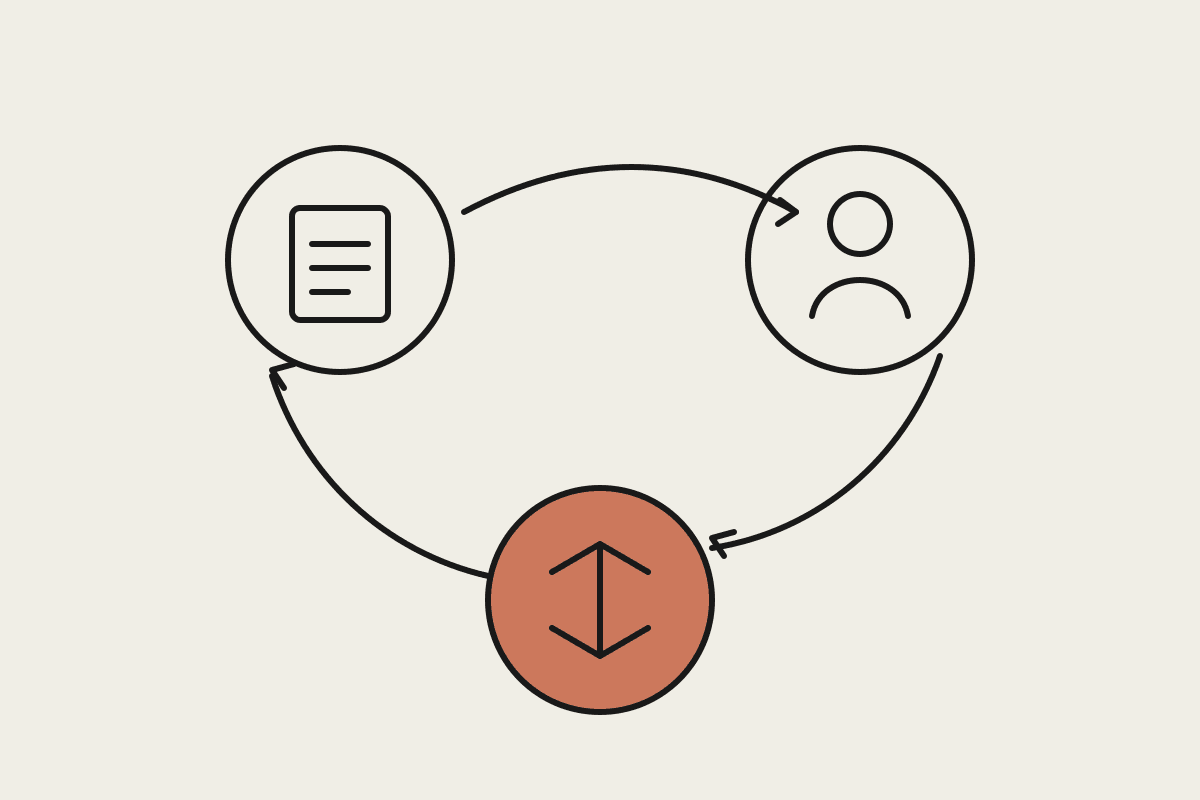
Claude can turn a functional spec into a QA checklist before build even starts, so testing has a shape rather than being "click around and see what breaks." Once bug reports start arriving, whether from a client email thread, a Trello board, or a testers' Slack channel, Claude can triage them into severity buckets, merge duplicates, and draft a prioritised fix list a developer can work through without re-reading every message from the last three days.
Generate a device and browser test matrix from the build spec; older iPads and Android WebViews are still common among Australian retail and hospitality clients
Merge duplicate bug reports arriving from email, Slack, and a client's own staff testing into one ranked list
Draft regression scripts for recurring client work, so a $2,500 seasonal refresh does not quietly re-break the checkout flow
Redact client information from screenshots and bug descriptions before they land in a shared ticket, which matters under the Privacy Act whenever a project touches customer data
Handover docs that do not cost a billable day
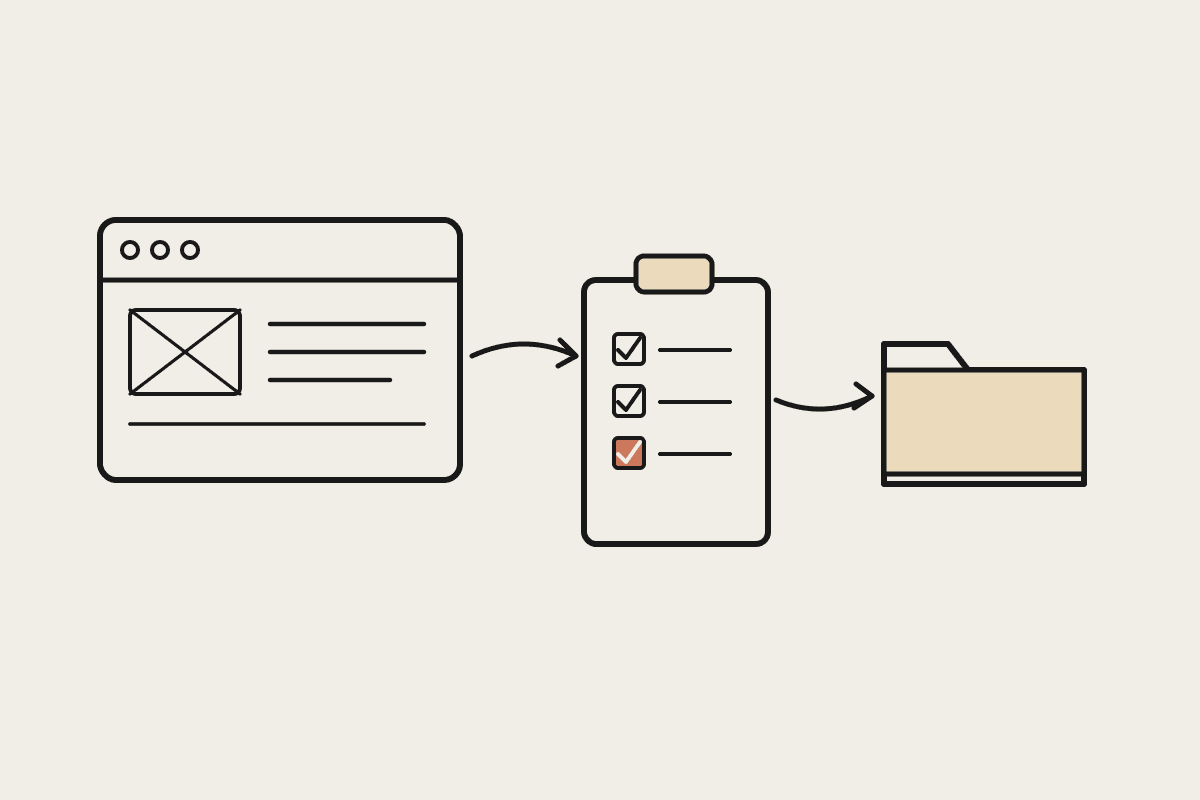
Handover documentation is the classic project-end casualty. The budget is spent, the client is keen to go live, and writing a proper CMS guide, a credentials-transfer checklist, and a 90-day support runbook takes the better part of a day that nobody wants to bill for. So it gets skipped, or it becomes three screenshots and a Loom video nobody watches past the two-minute mark.
Claude can draft the bulk of a handover pack directly from what already exists: the project's README, the CMS structure, the client's own content model, and the build's commit history. A Brisbane agency handing over a Shopify build can get a first draft of the training document, an admin walkthrough, and a plain-English support-tier explainer in under an hour of review time, rather than a full day of writing from a blank page.
One 12-person Melbourne agency tracked this across a quarter: scoping-to-signed-SOW time dropped from roughly six hours to ninety minutes per proposal, and handover packs went from a half-day writing job to a 45-minute review. Together that was worth close to $38,000 in reclaimed capacity across the quarter, redirected straight back into billable delivery work rather than admin nobody enjoyed doing anyway.
None of this needs a rebuilt process or a new licence sitting alongside Xero, HubSpot, or whatever project-management tool the agency already runs. Claude works from the documents, transcripts, and boards that already exist. If scoping, QA, or handover paperwork is the part of running a Melbourne, Sydney, or Brisbane digital agency that nobody enjoys, book a short chat and we will map out where it fits first.